

Tires 101: How to Easily Check If It's Time to Change them
Your tires are one of the most important safety features on your car. In this quick guide, learn the simple checks you can do at home to know when it’s time for a replacement — no mechanic required.
🛞 Tires 101: How to Easily Check If It’s Time to Change Them
Your tires are the only point of contact between your car and the road. Checking them regularly can save you money and keep you safe. Here’s how:
🔹 1. Check Tread Depth
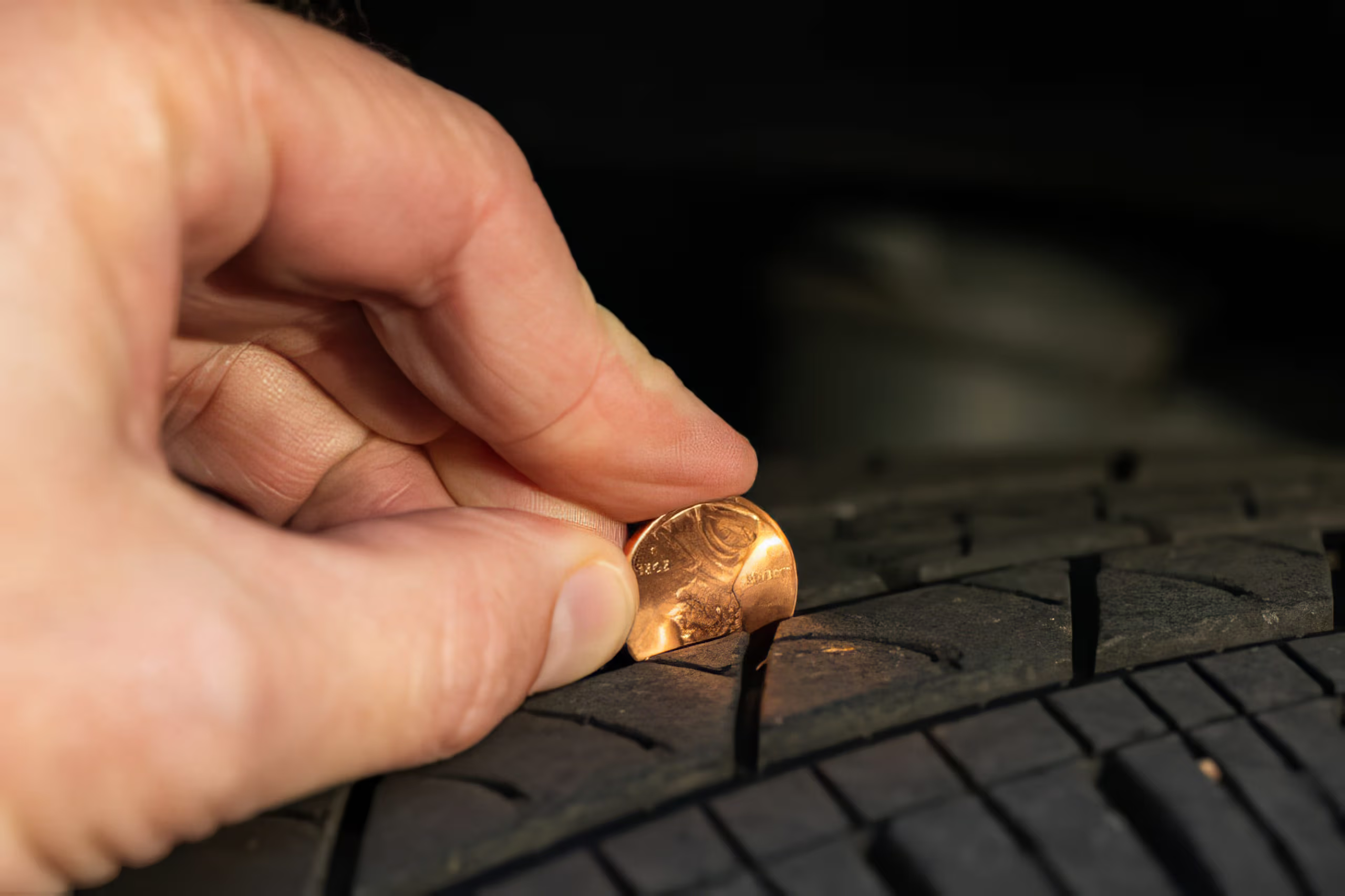
Use a tread depth gauge or the classic penny test. Insert a penny into the tread grooves with Lincoln’s head upside down — if you can see the top of his head, it’s time for new tires (less than 2/32 of an inch).
🔹 2. Look for Uneven Wear
Inspect the tire surface for bald spots, inner-edge wear, or cupping. Uneven wear can indicate misalignment, improper inflation, or suspension issues.
🔹 3. Check for Cracks and Bulges
Sidewall cracks, cuts, or bulges are red flags that the tire structure may be compromised. Replace immediately to avoid blowouts.
🔹 4. Know Your Tire’s Age
Even if tread looks okay, tires degrade over time. Check the DOT code on the sidewall — the last four digits show the week and year of manufacture. Most tires should be replaced at 6–10 years regardless of appearance.
🔹 5. Monitor Air Pressure Regularly
Underinflated tires wear out faster and increase fuel consumption. Check your pressure monthly and before long trips.
🔹 6. Listen for Noise or Vibration
Unusual sounds or vibration can signal internal damage or irregular wear patterns.
🔹 7. Rotate and Align
Regular rotation (every 5,000–7,000 miles) and wheel alignment prolong tire life and ensure even wear.
✅ Conclusion
Checking your tires takes just a few minutes but can save your life. By keeping an eye on tread depth, sidewalls, age, and air pressure, you’ll know exactly when it’s time to swap them out — and you’ll enjoy better performance and safety in the meantime.
Whether you need collision repair, paint restoration, or just a quick quote — we’re here to help. Fill out the form and a team member will reach out promptly to confirm your appointment.

