

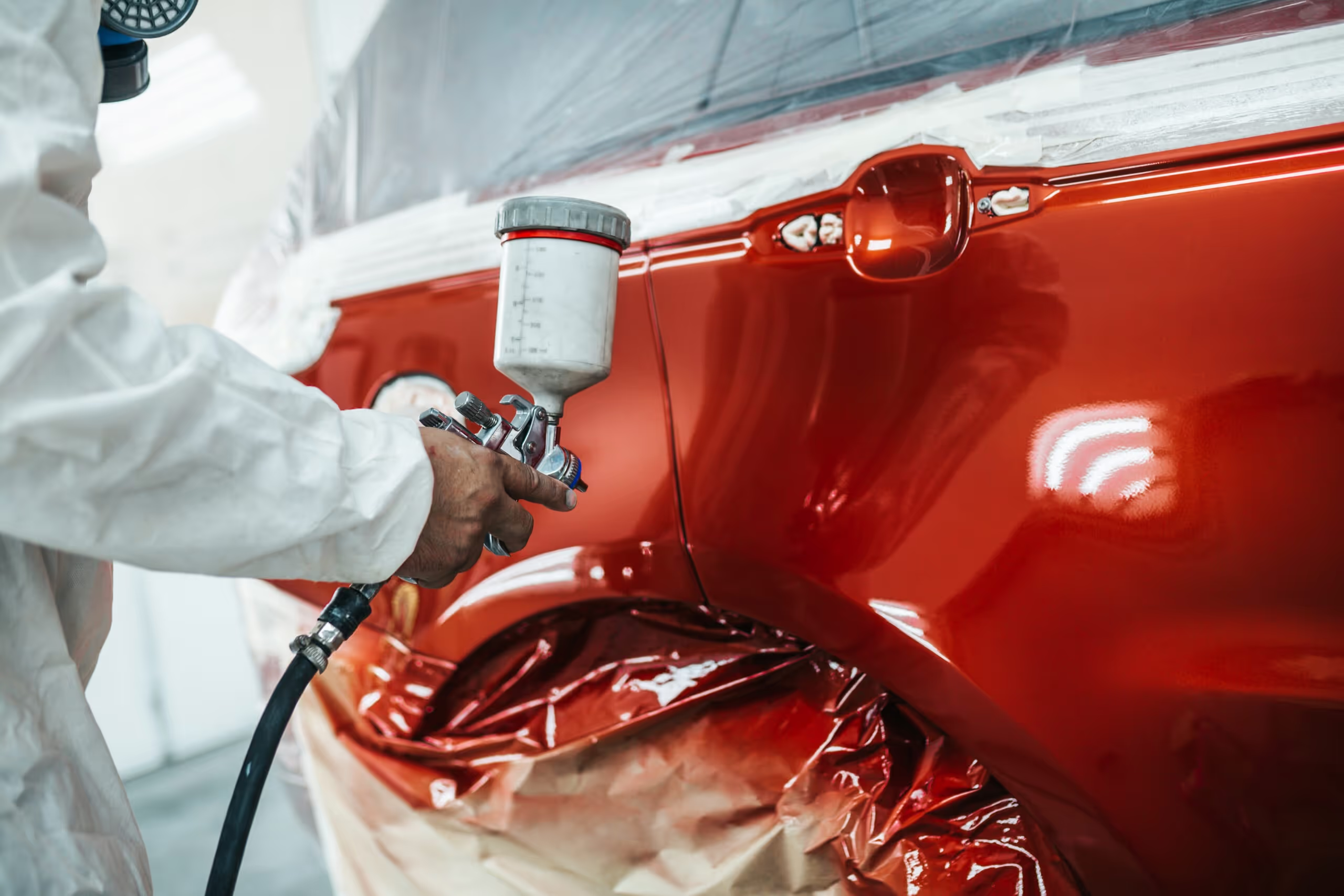

Auto Body Repair in Sacramento
Full-Service Auto Body Repair with Unmatched Craftsmanship
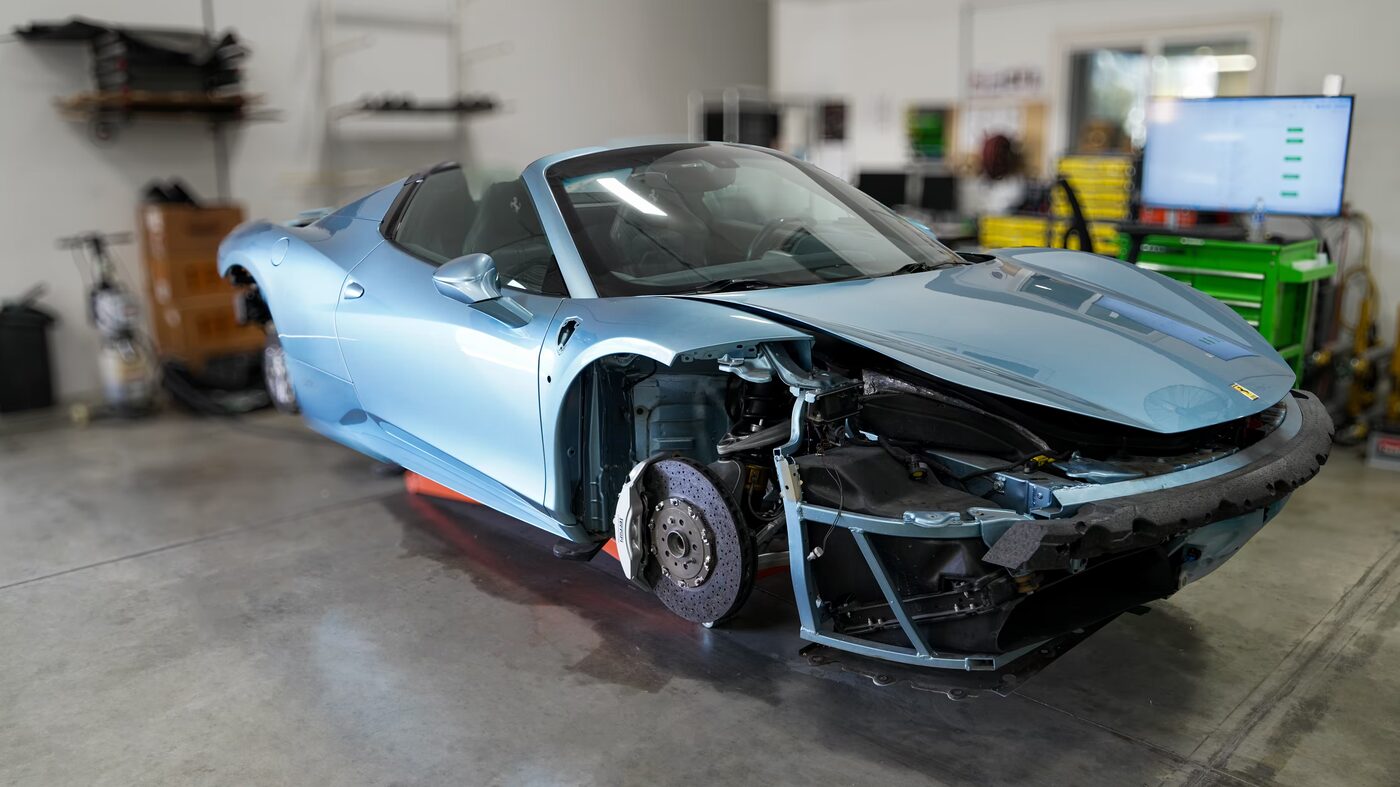
From small dents and scratches to major collision damage, Pro Collision Center offers complete auto body restoration services that make your vehicle look — and drive — like new again.
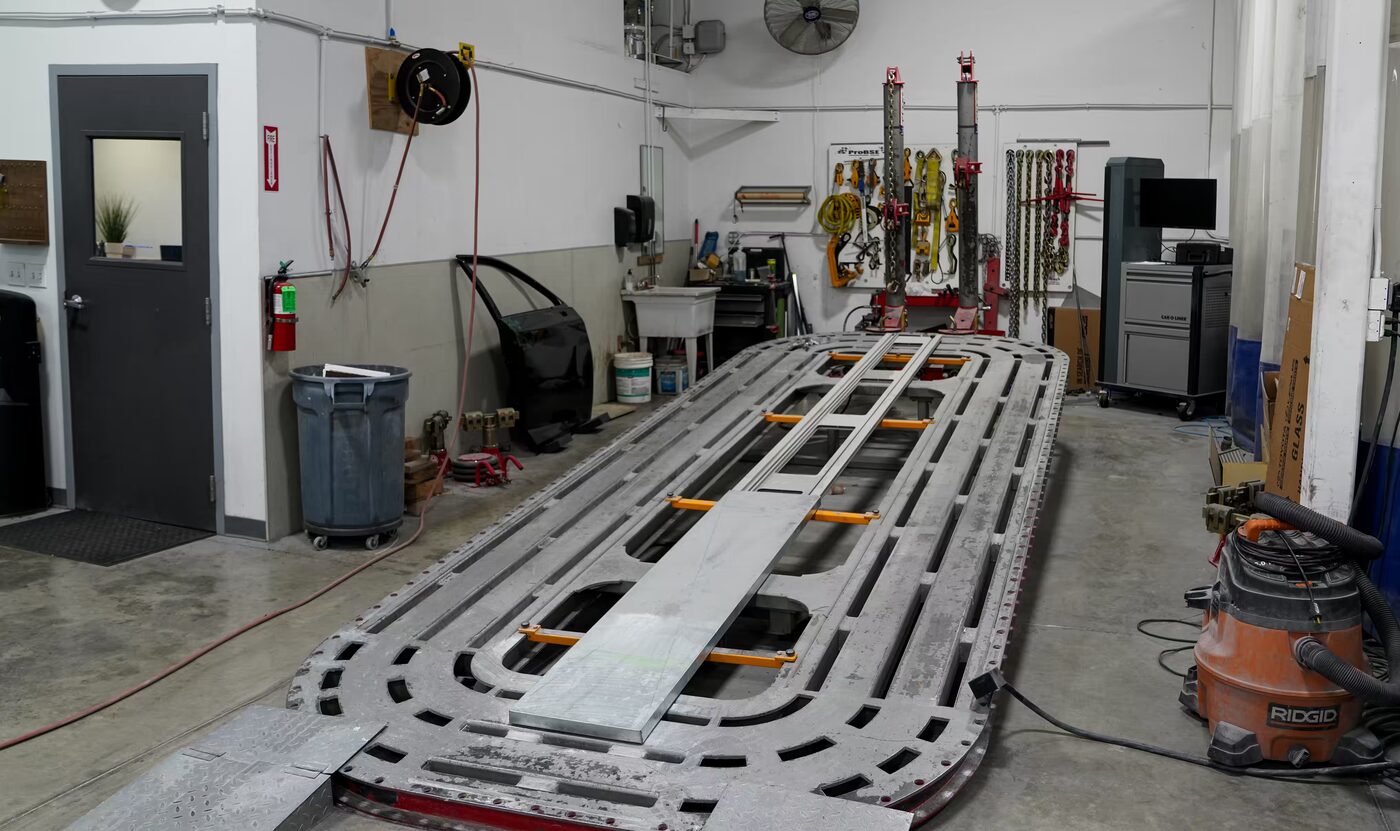
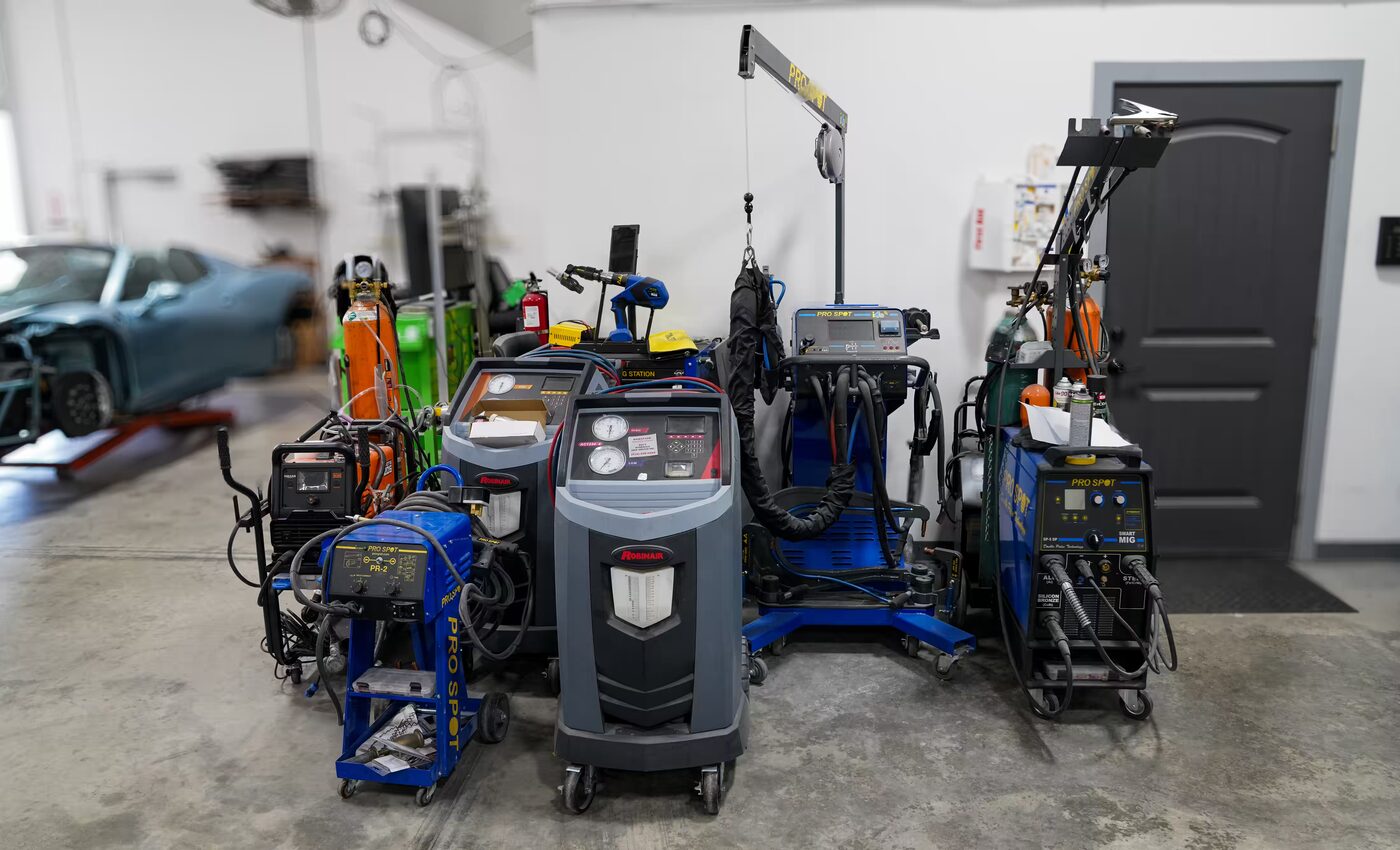
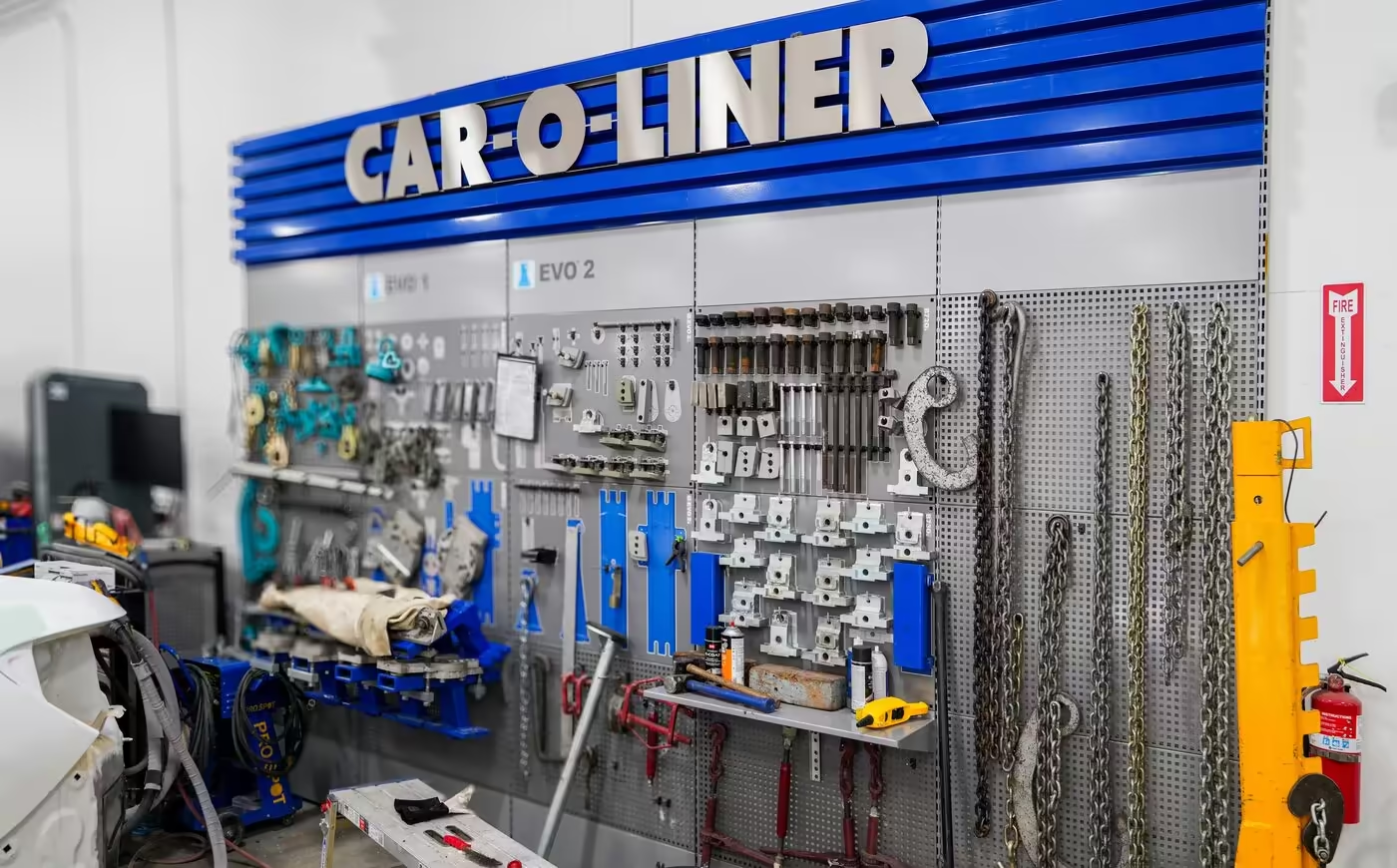
Our highly trained technicians use computerized measuring systems, premium materials, and OEM guidelines to reconstruct your car’s body with precision. We don’t just fix what’s visible — we inspect and address hidden damage, ensuring your car is structurally sound and safe to drive.
We also work with all major insurance providers and help you through the claims process.
“From fenders to frames, Pro Collision Center brings your car back to life.”
What’s included:
- Complete exterior panel repair and replacement
- Advanced dent removal and surface refinishing
- Seamless color matching and paint blending
- Structural safety inspection and reassembly
- Insurance coordination and repair documentation
After a collision there’s the damage, and then there’s the paperwork — and both wear you down. We take on both when your car comes to our Sacramento North East shop.


YOU CAN SEE

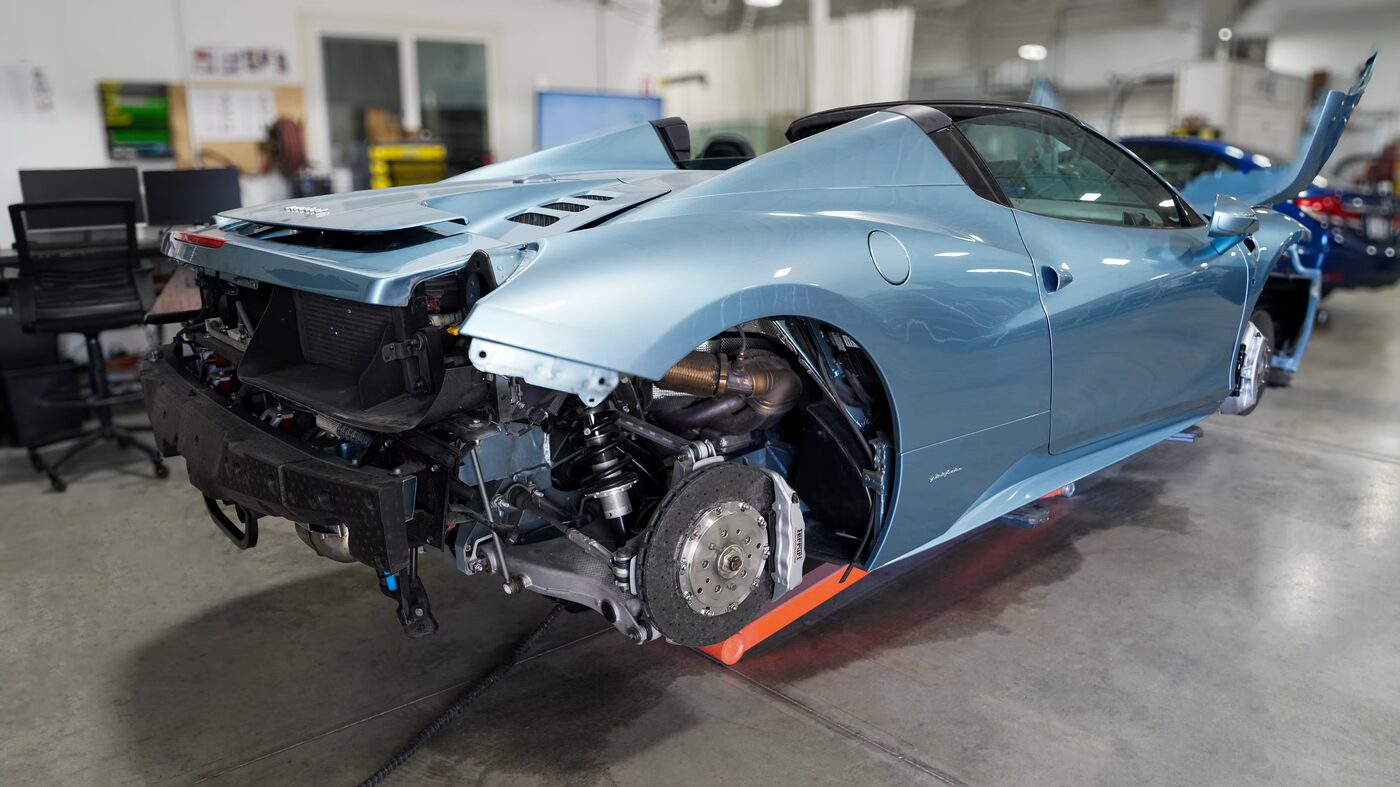
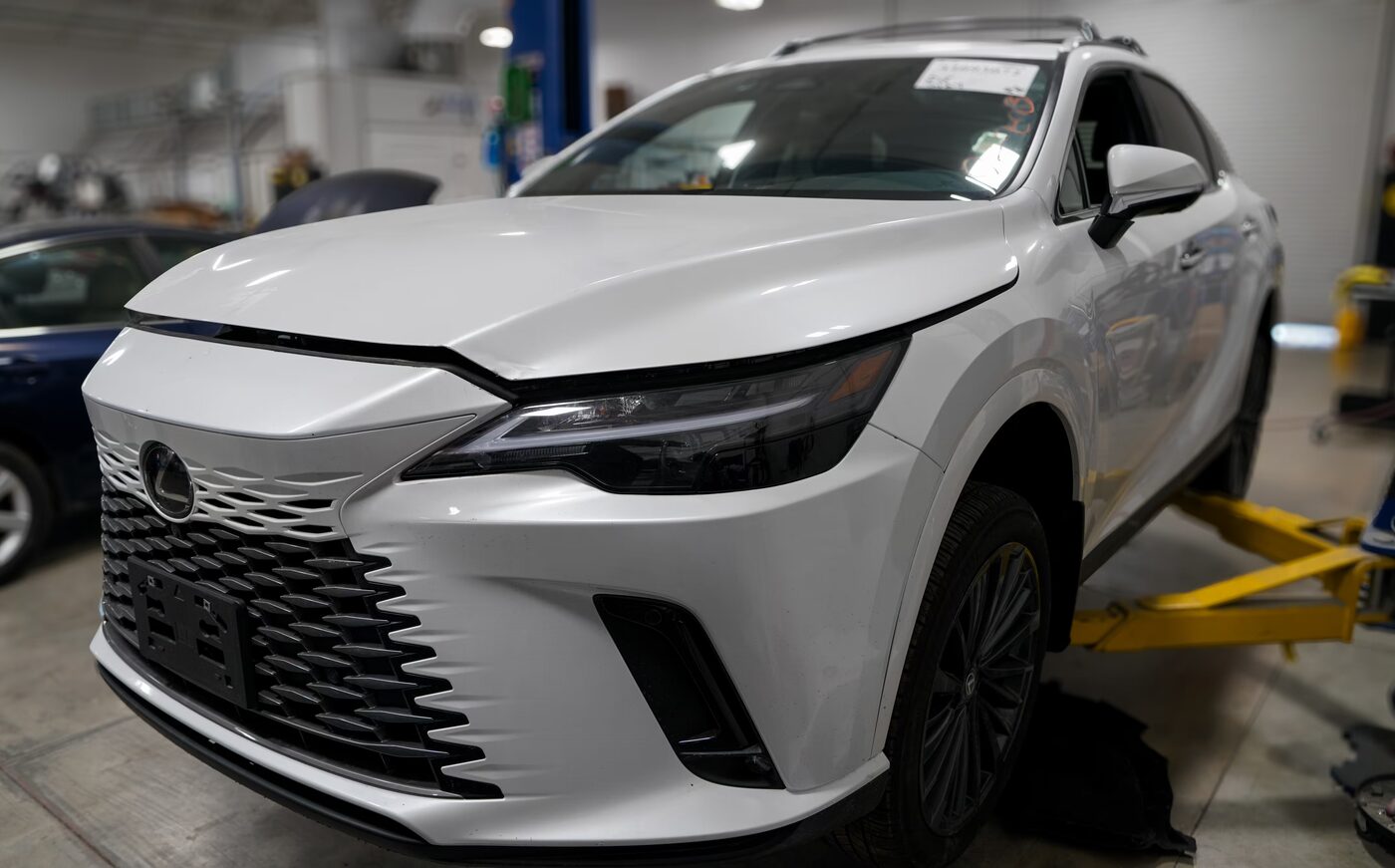
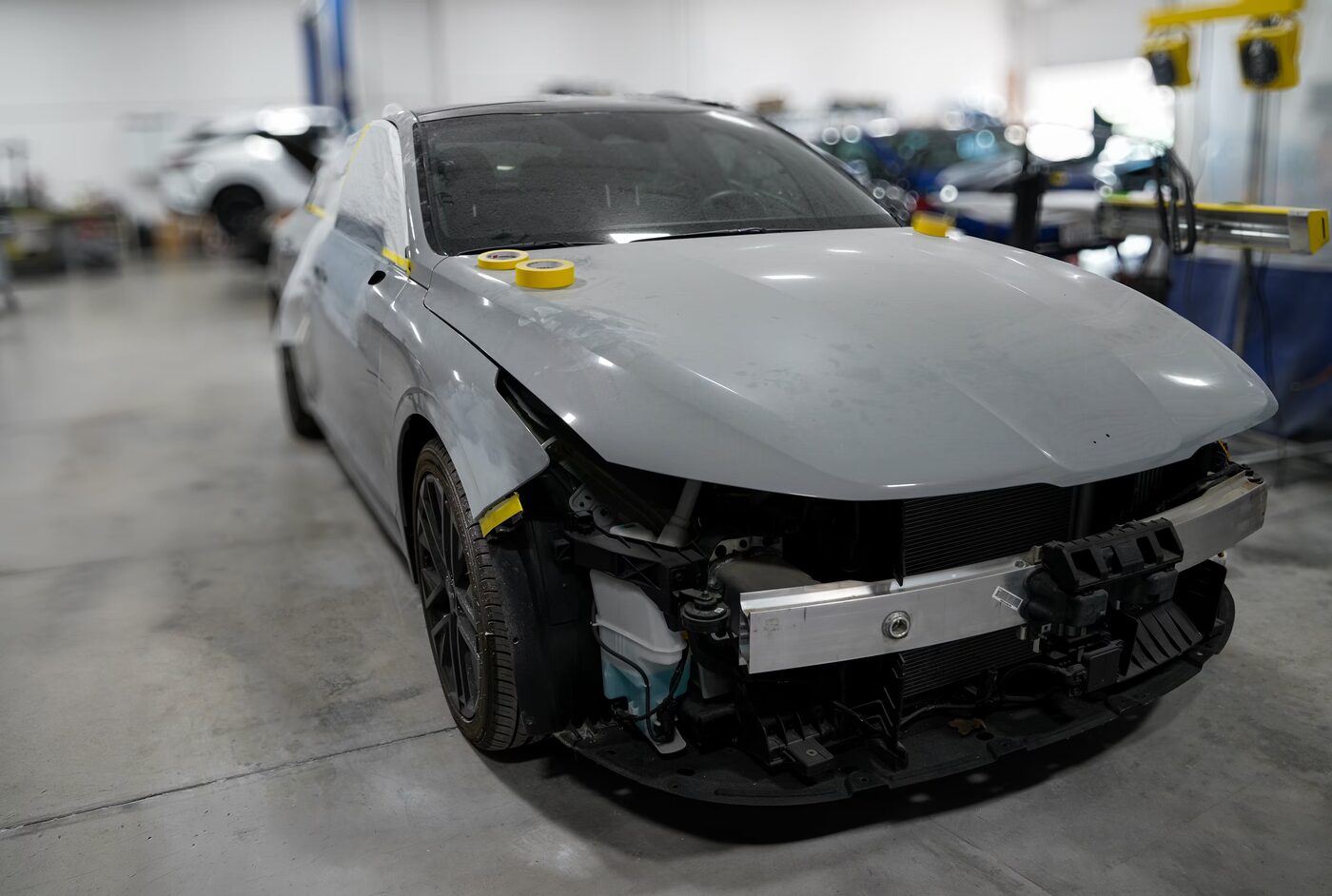
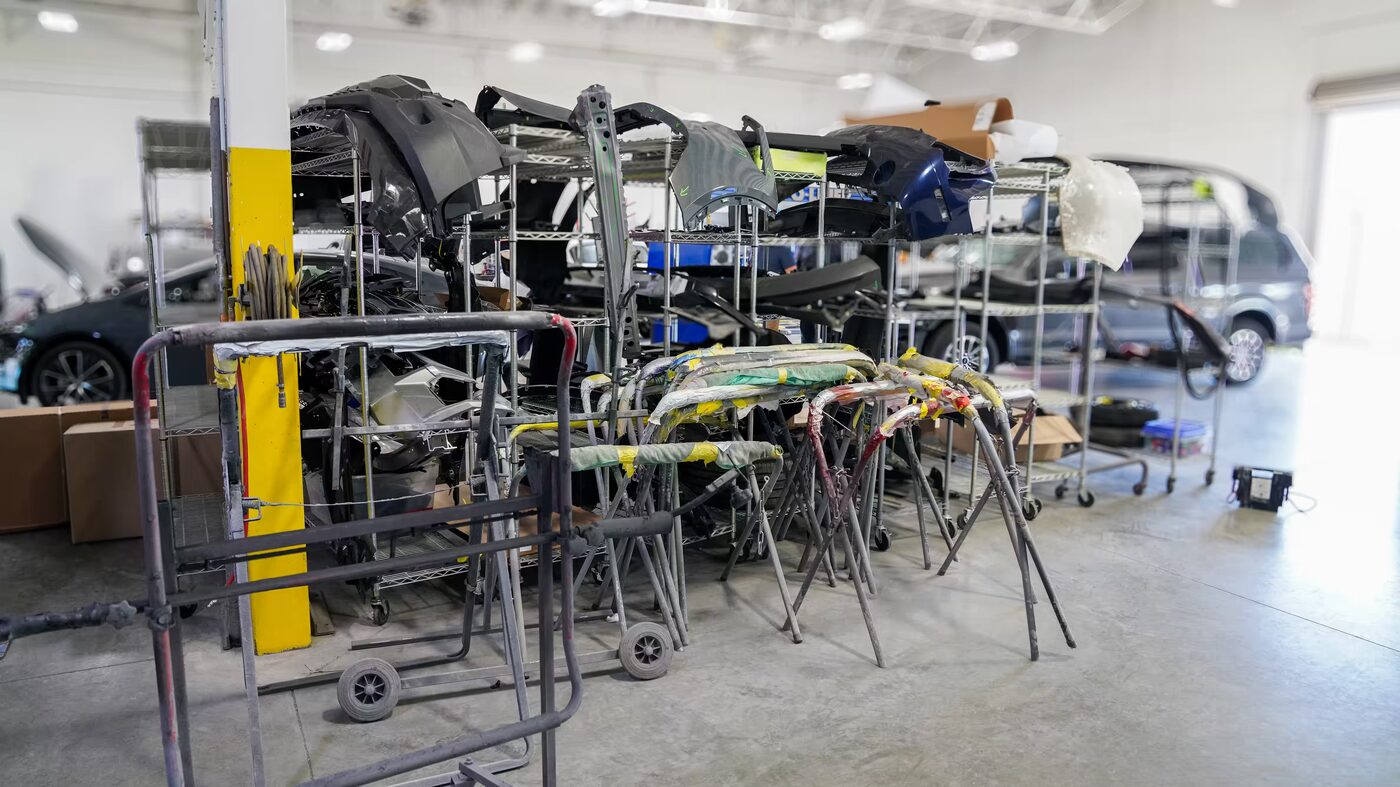
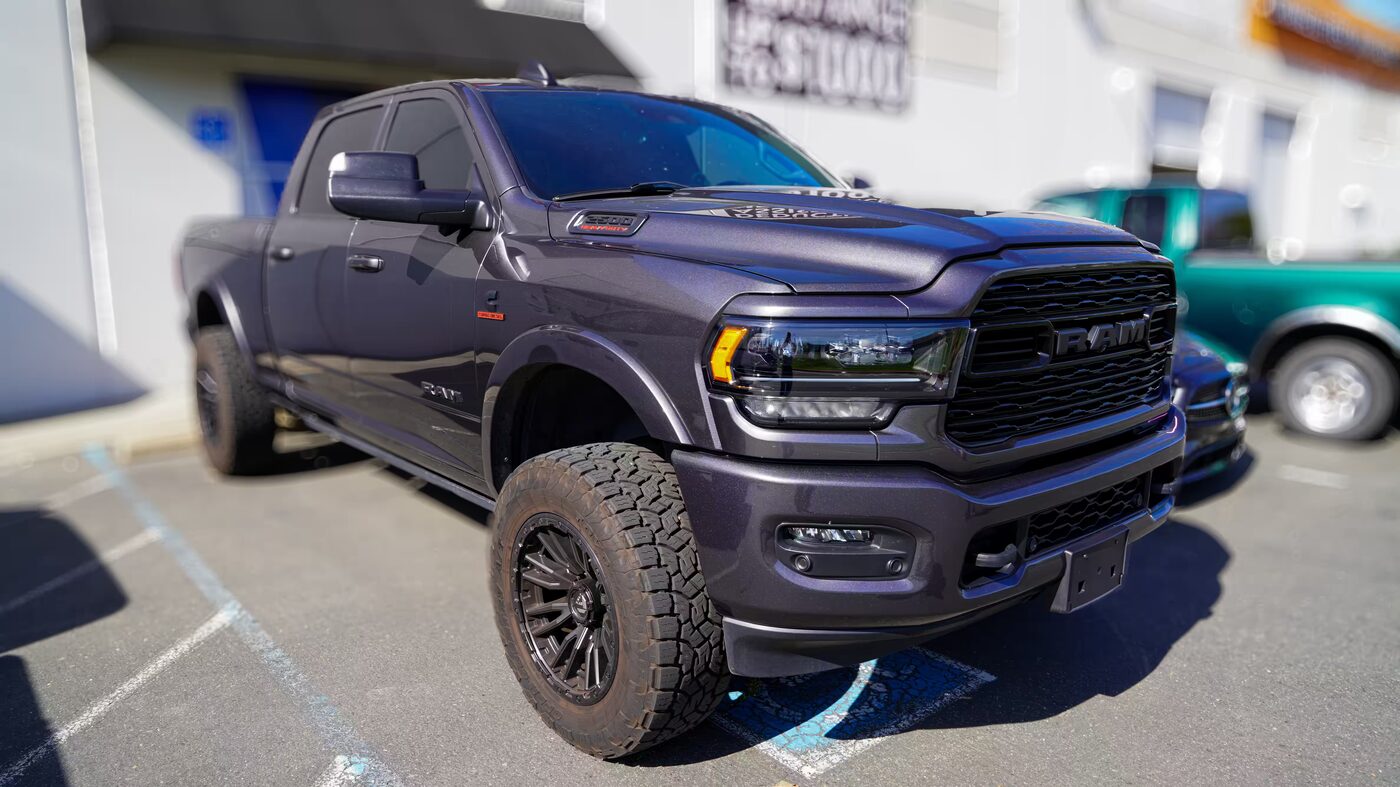
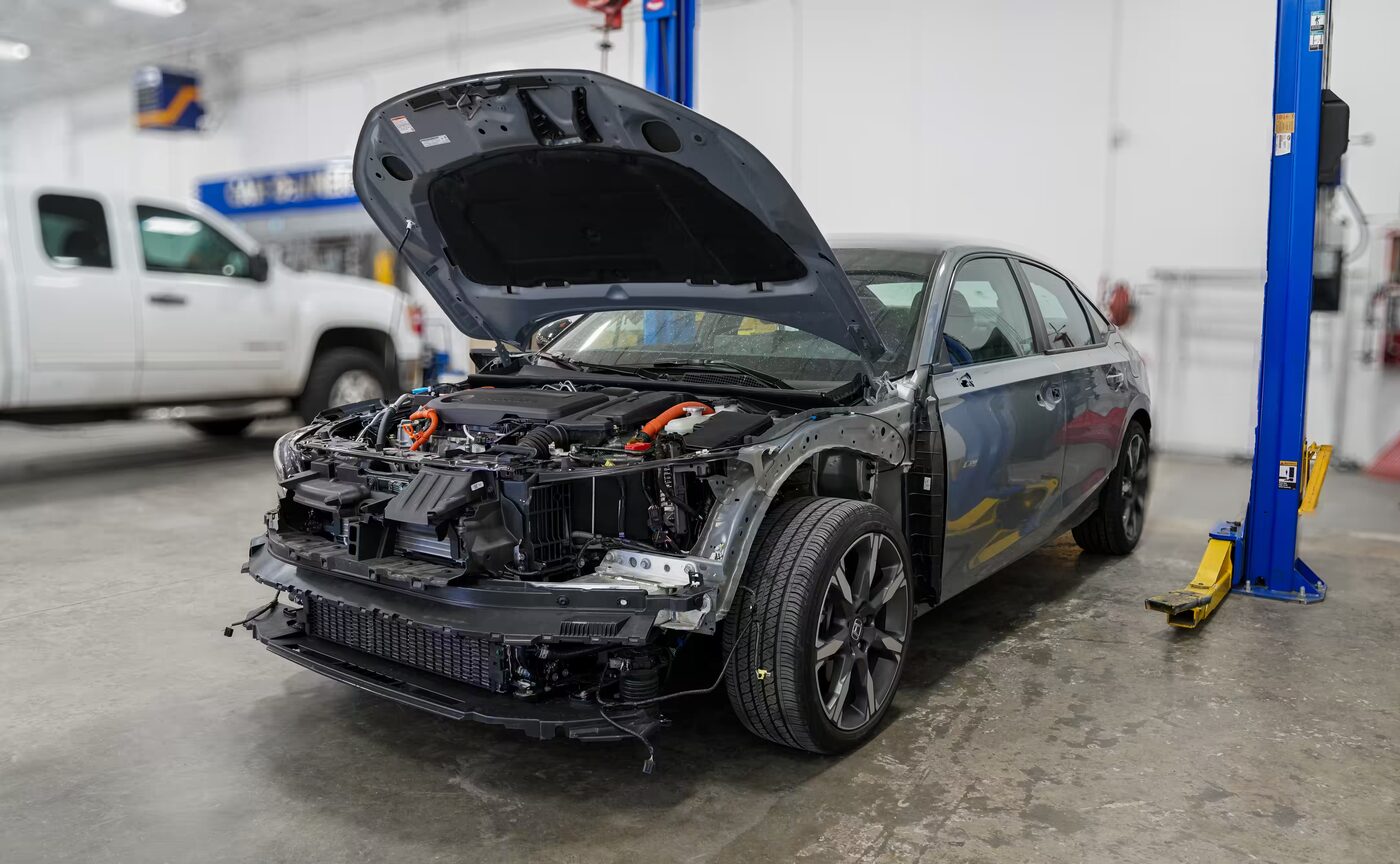
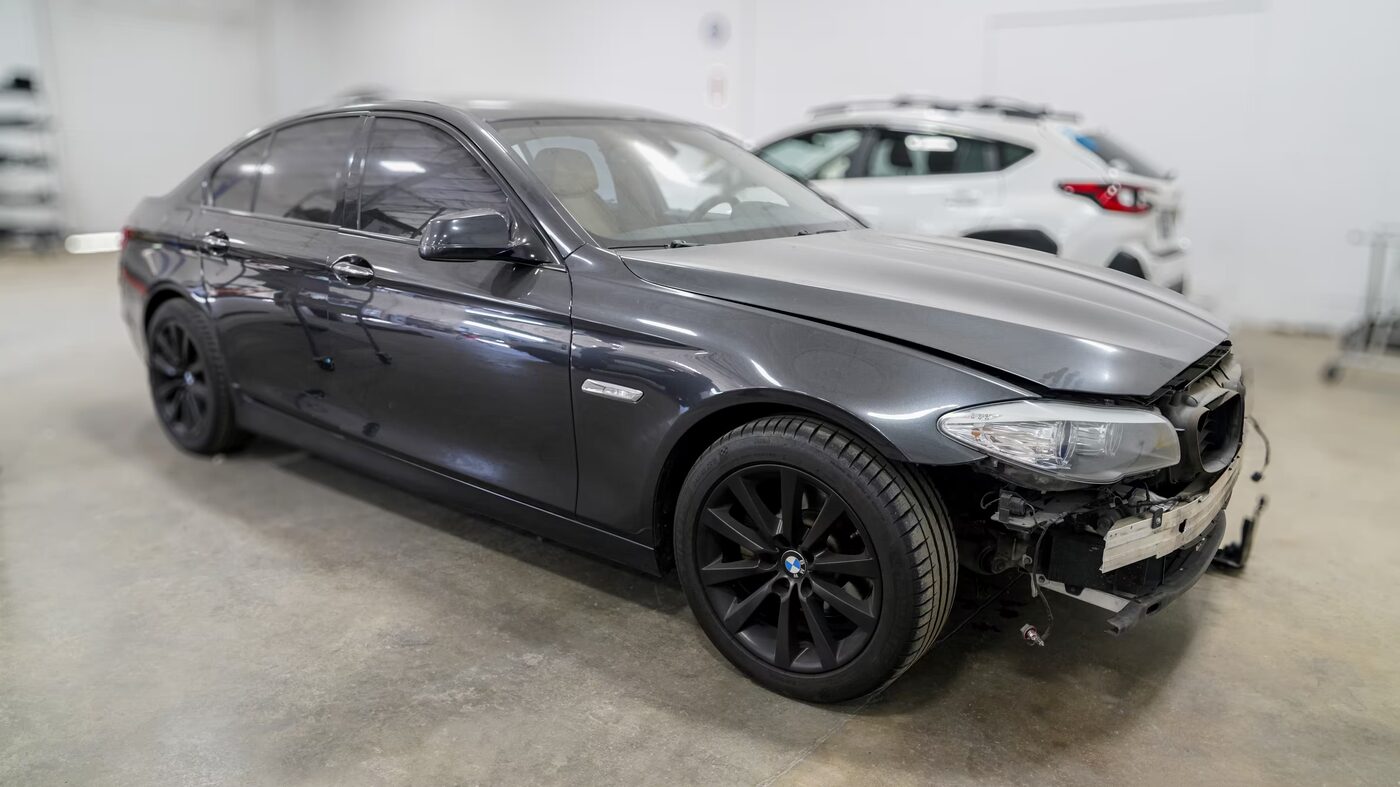
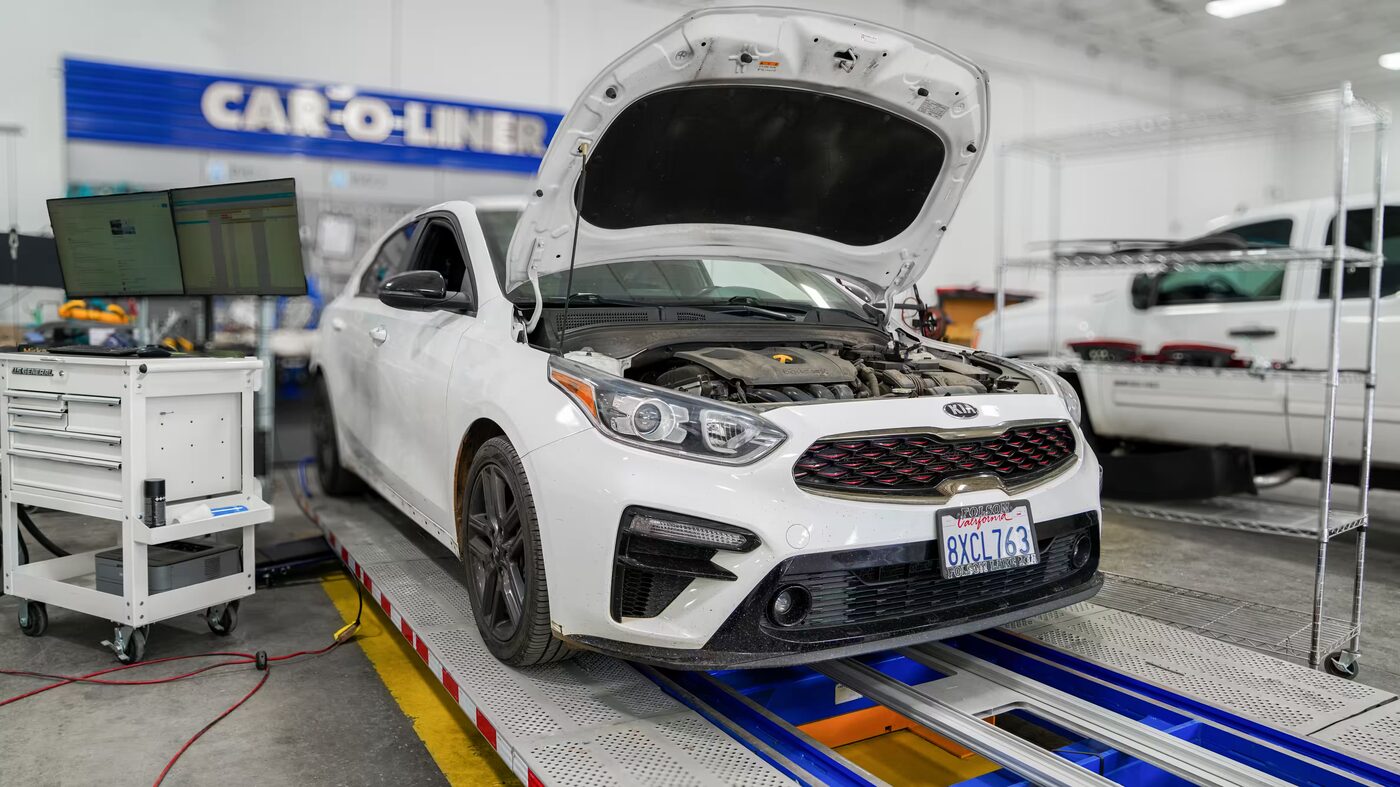

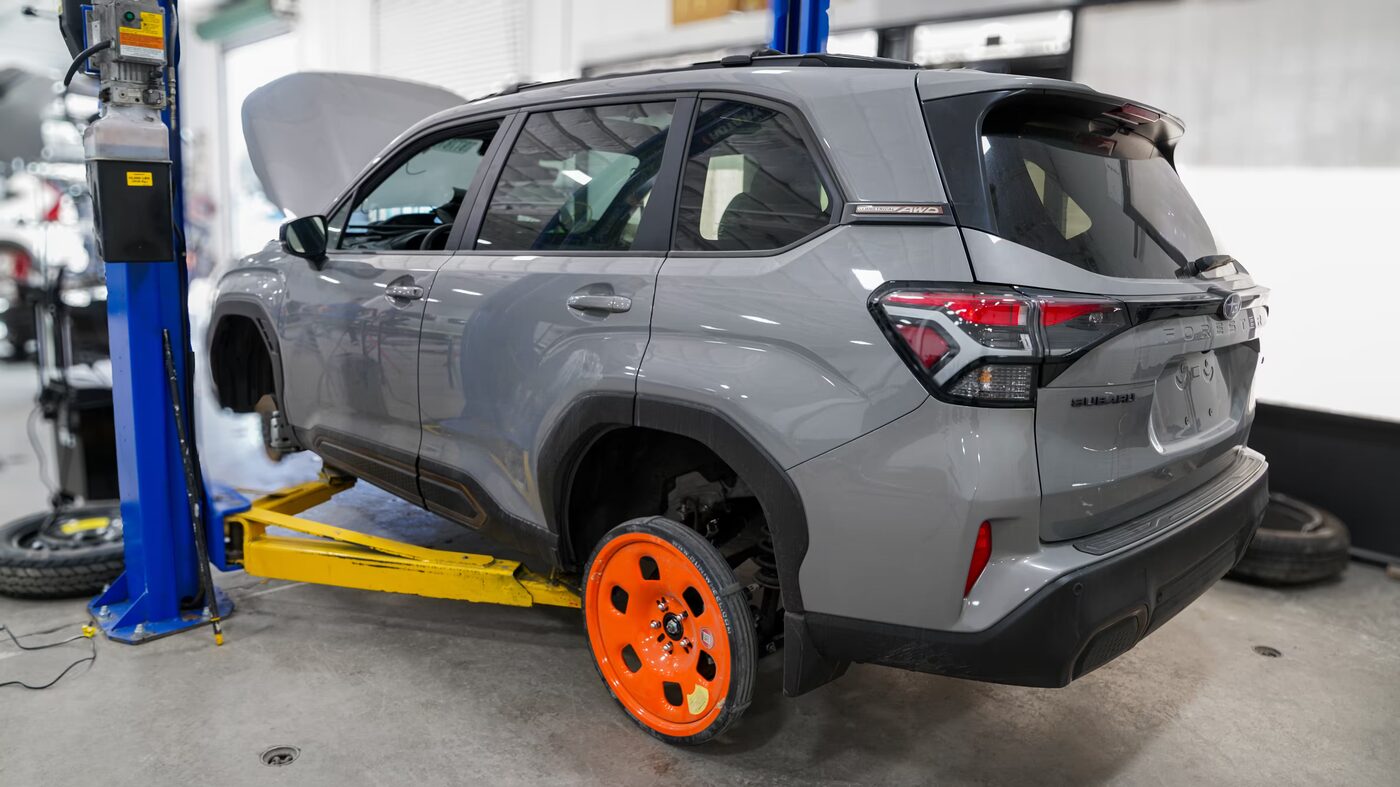
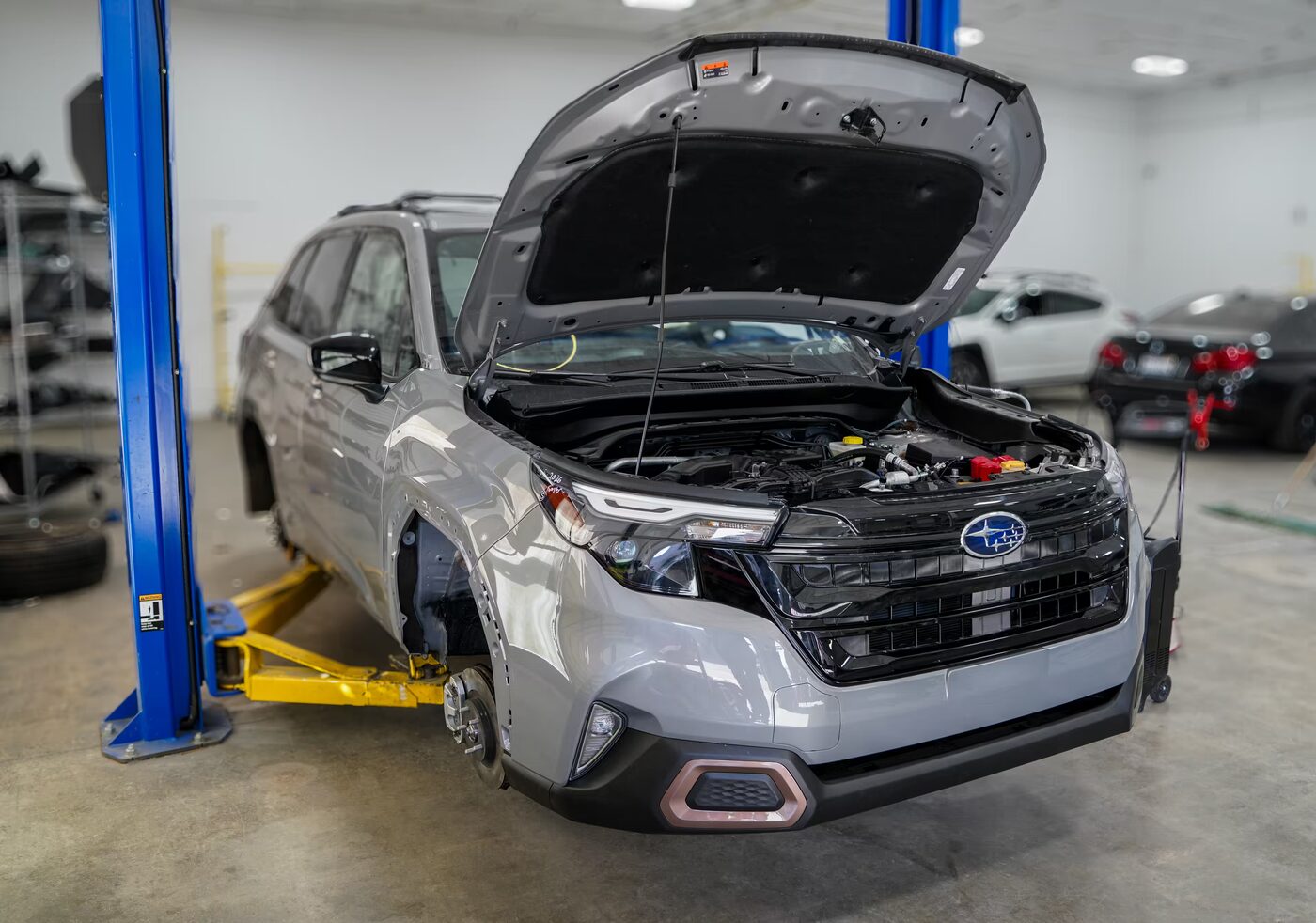
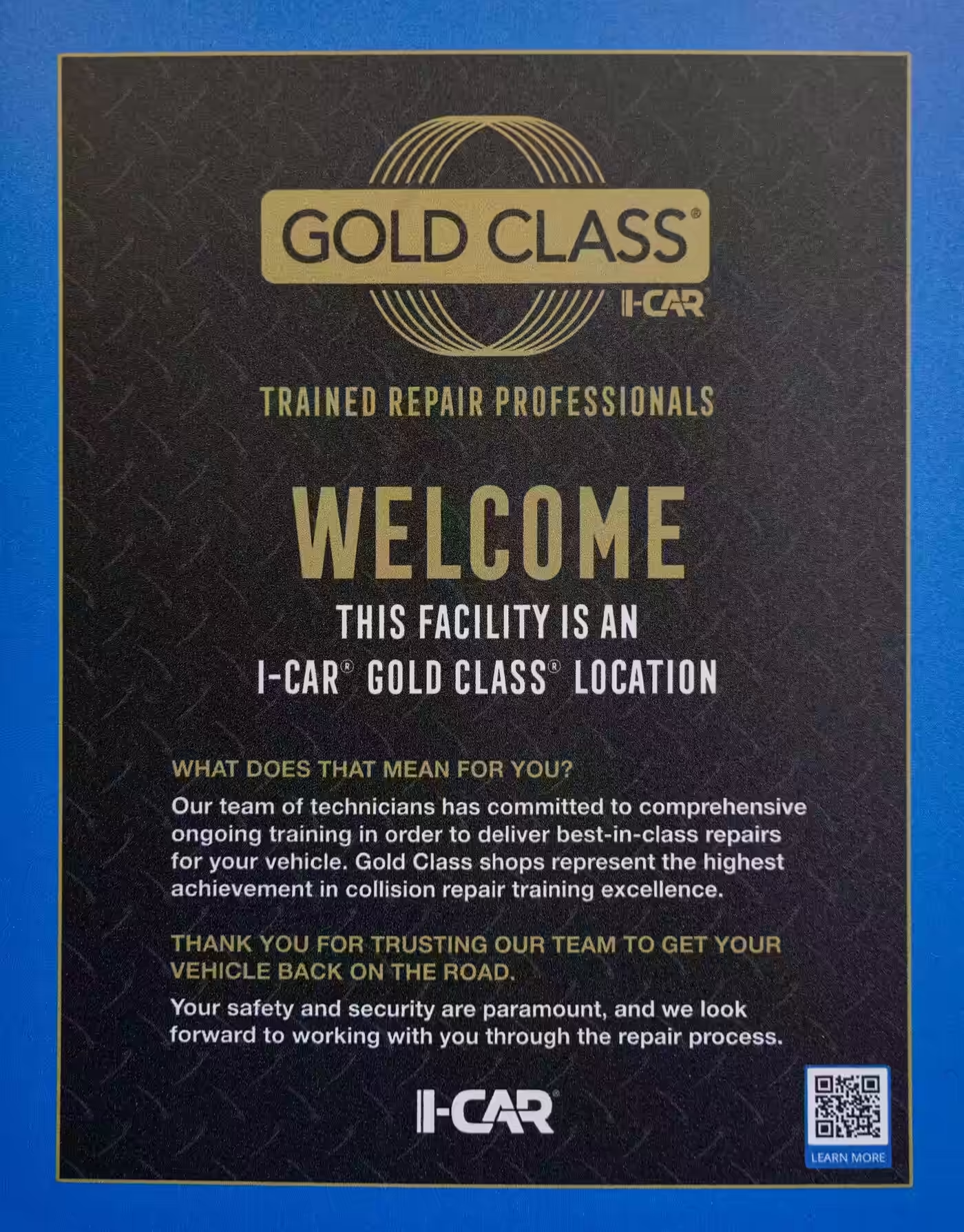
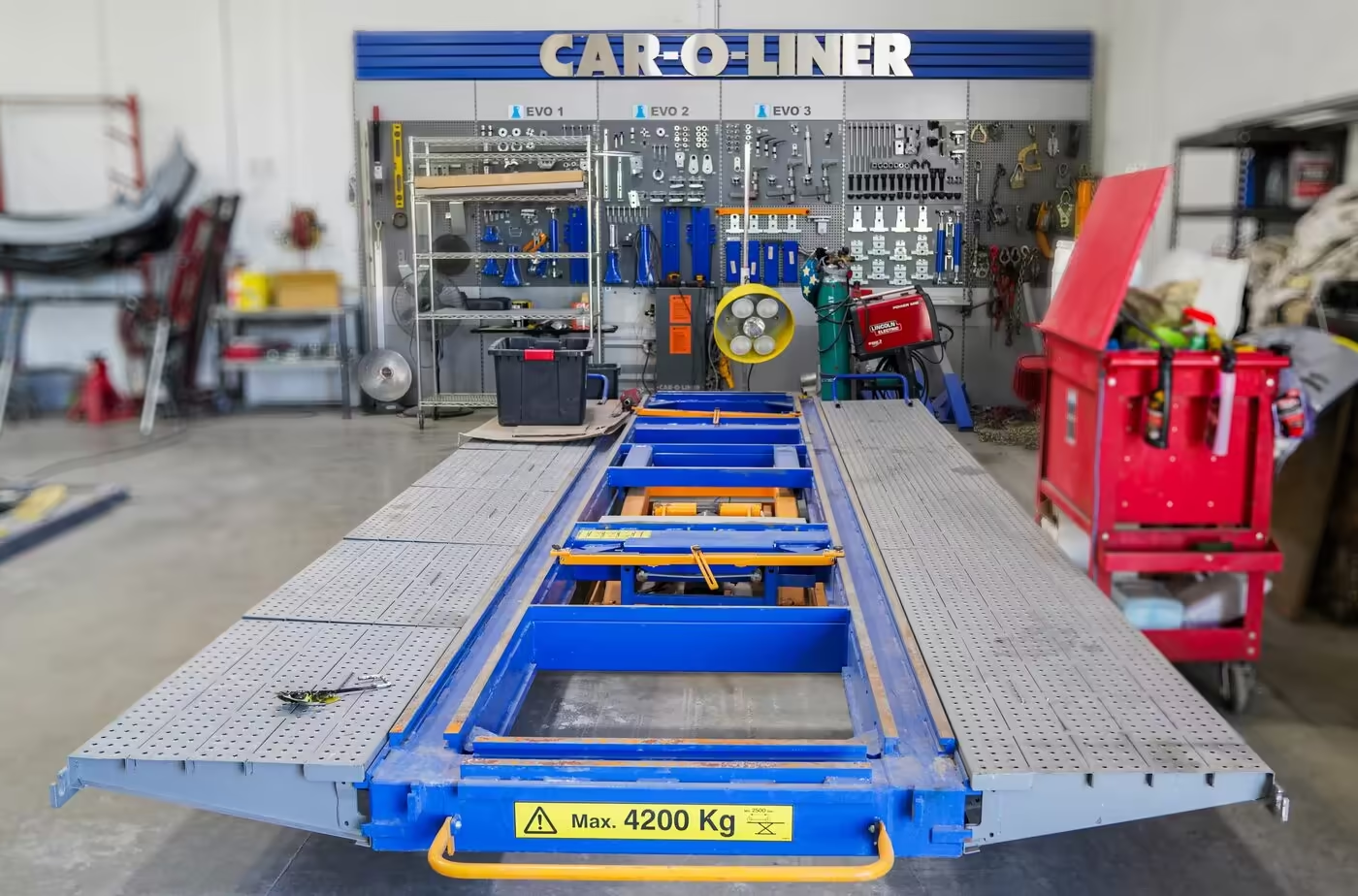
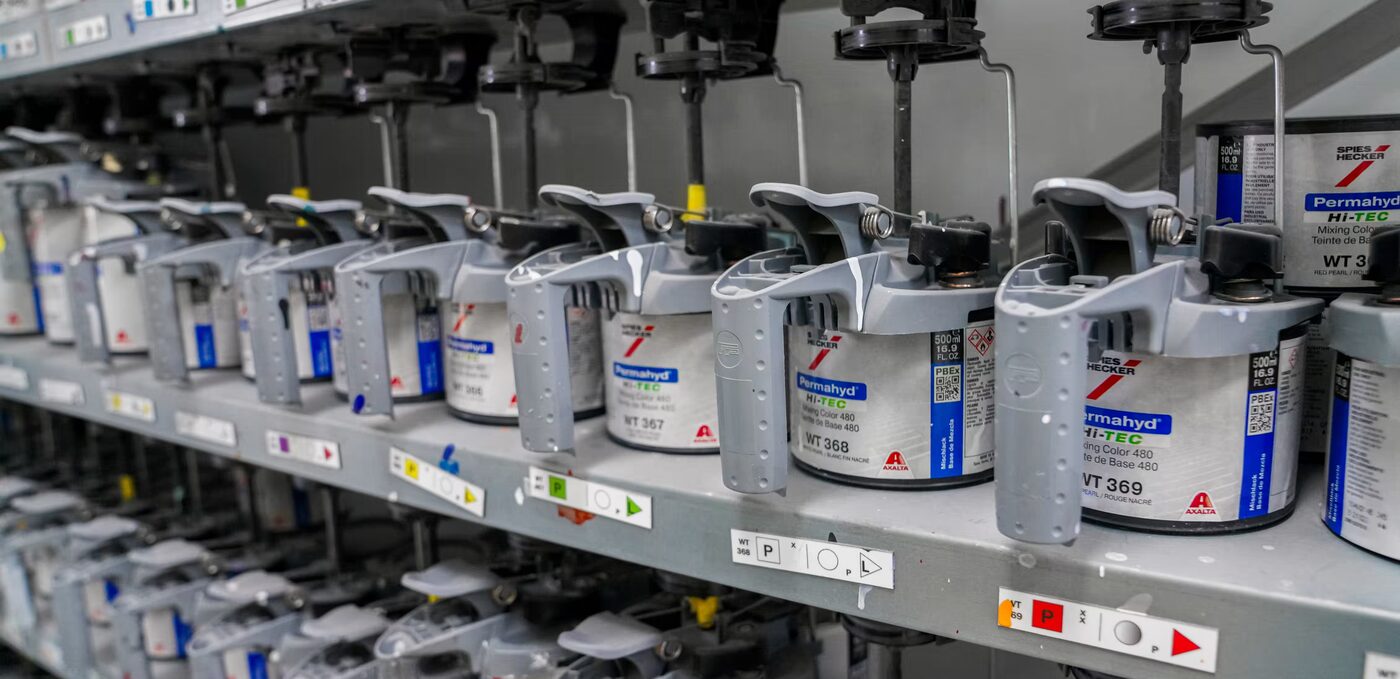
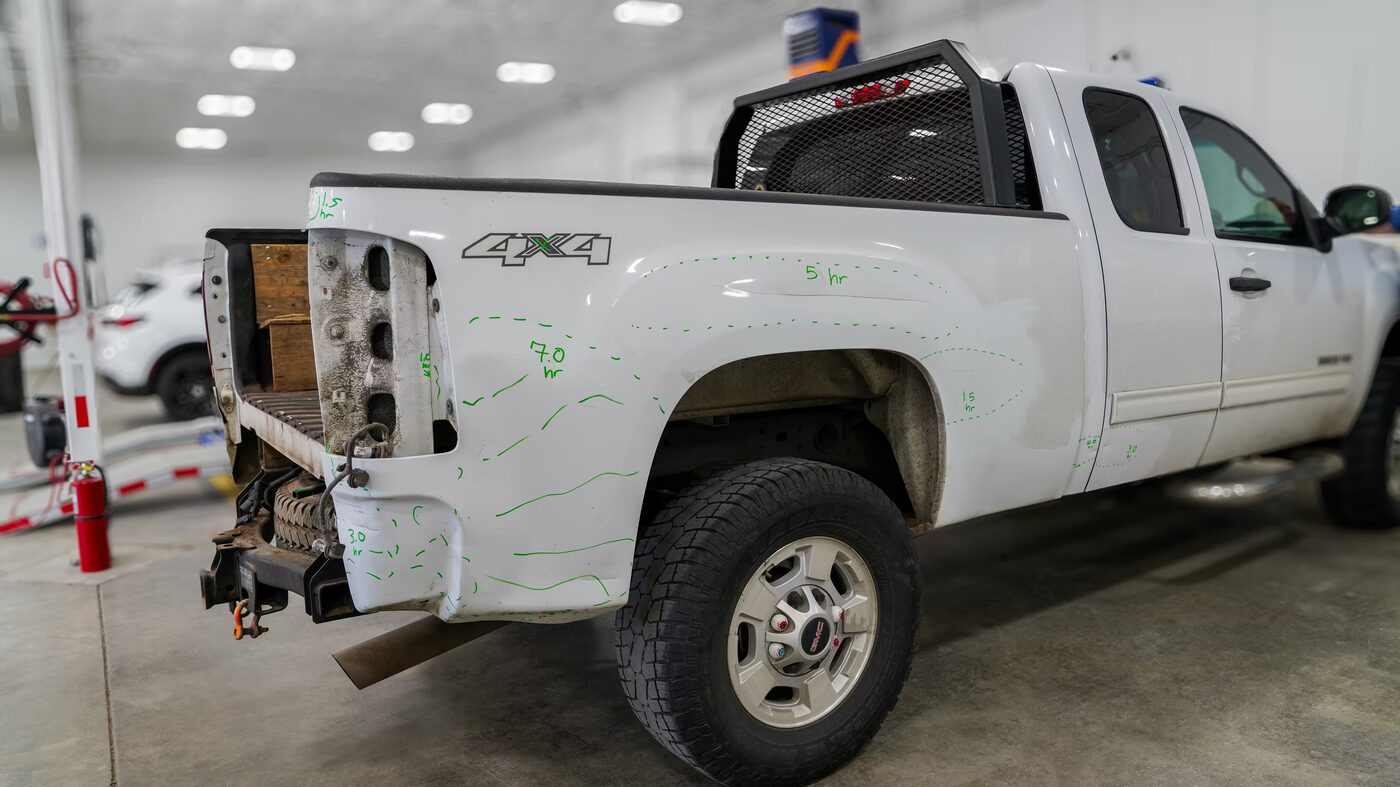
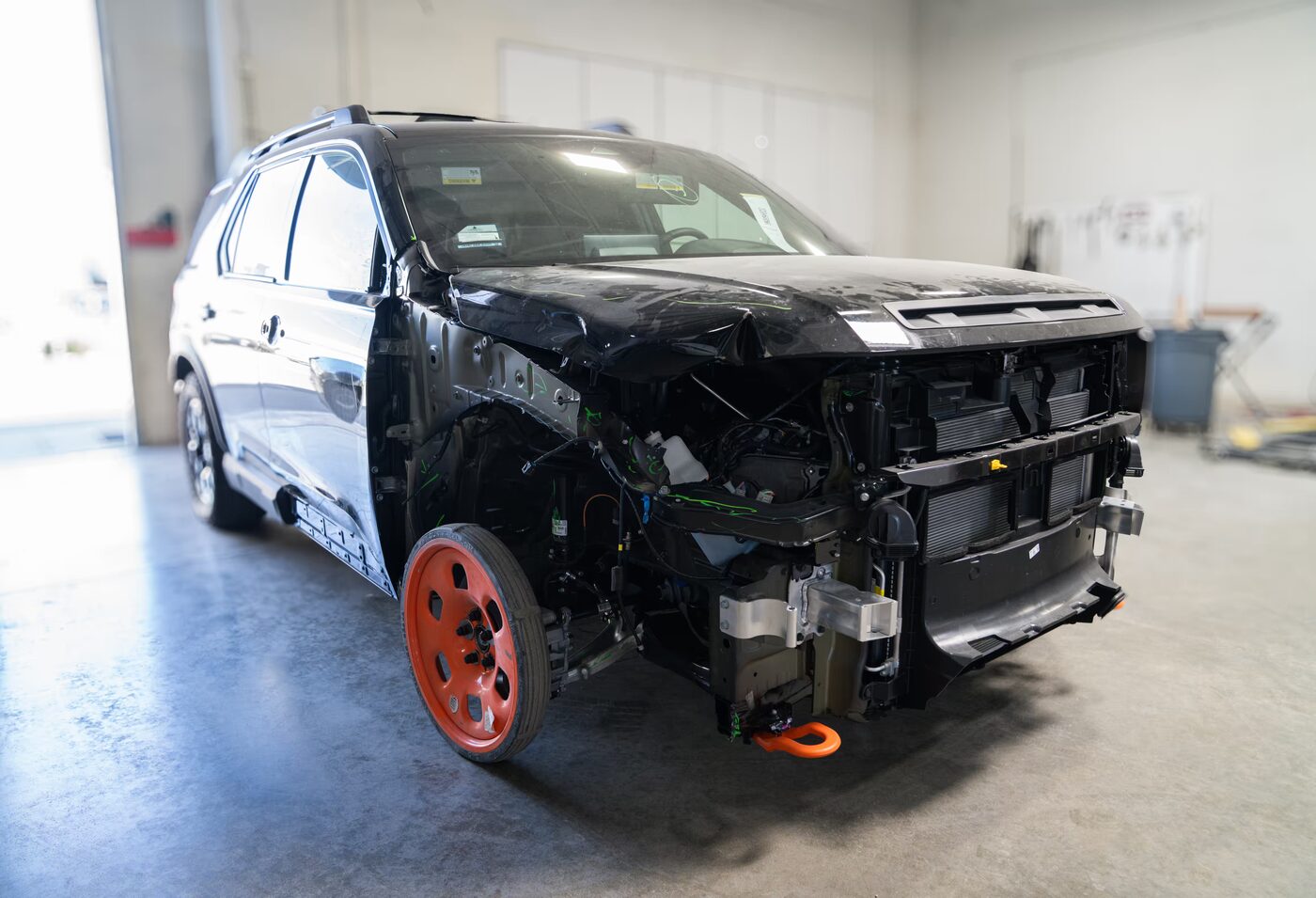
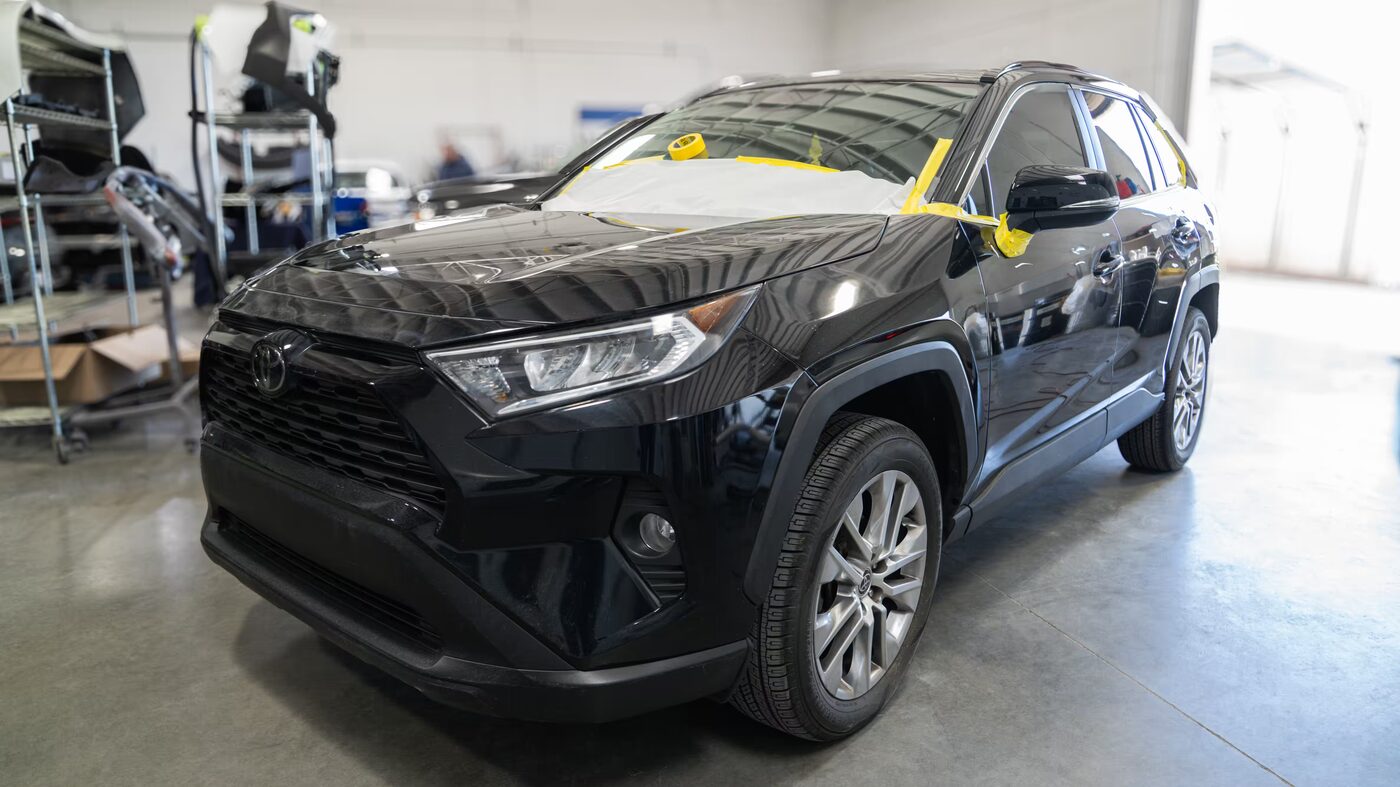
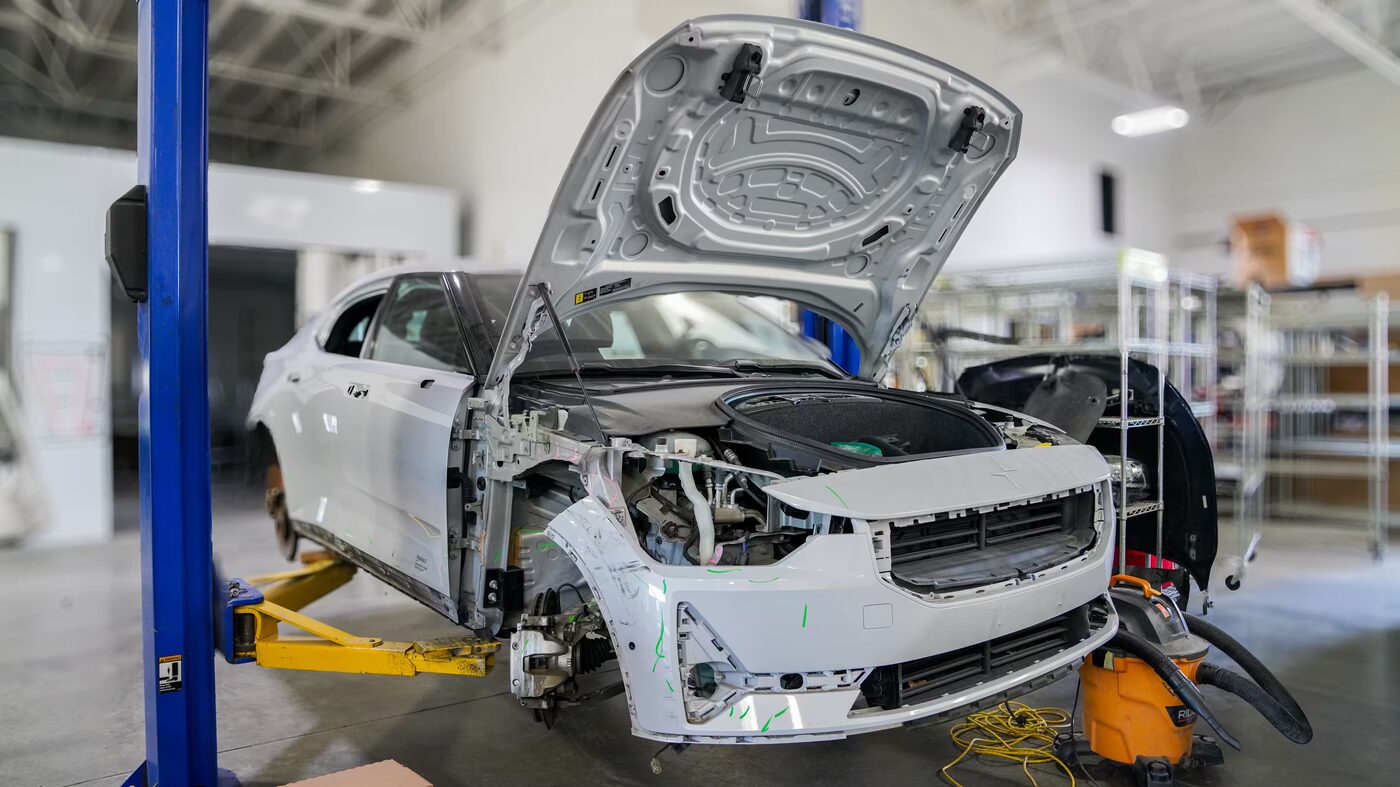
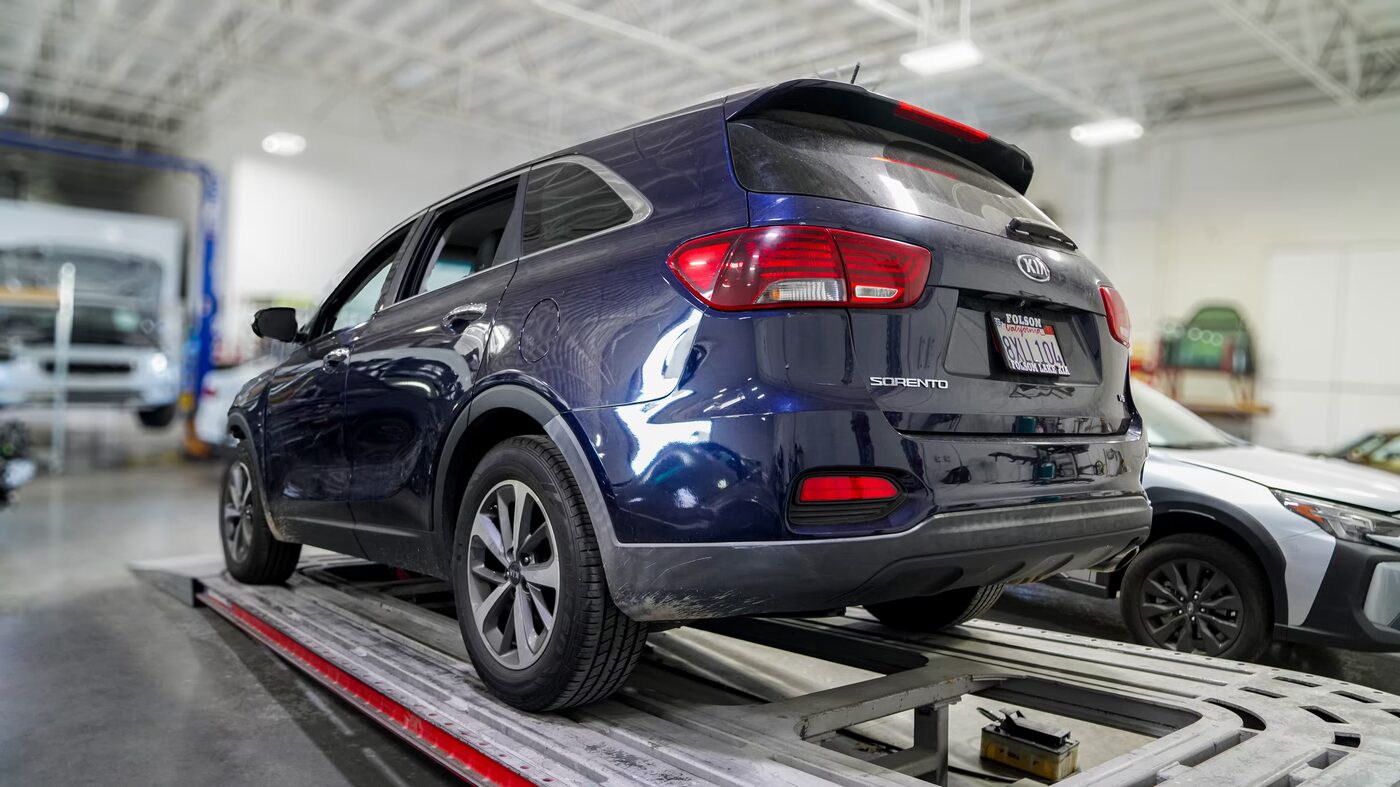

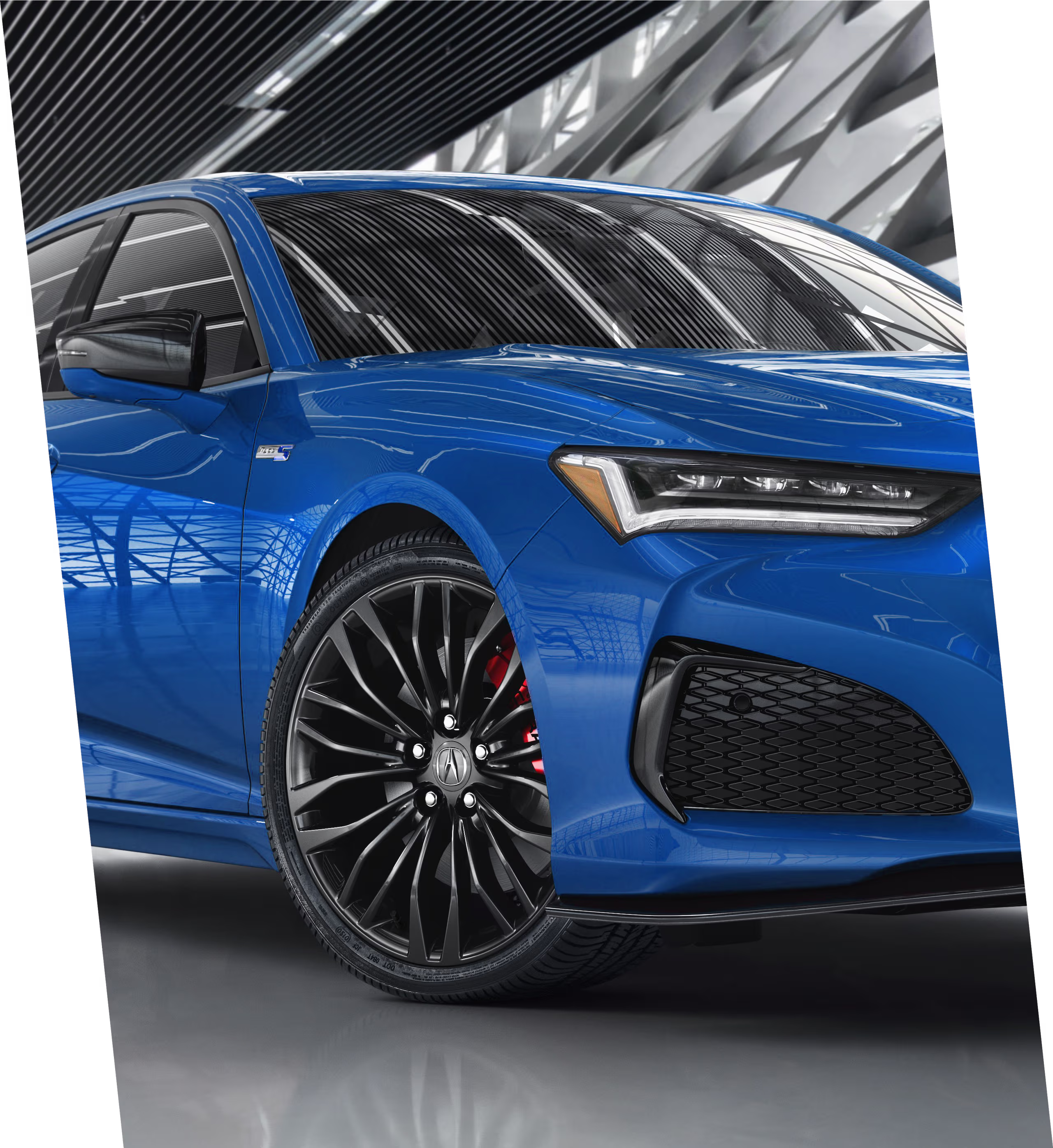
After an accident, you need a shop you can trust. We inspect for hidden damage, handle the insurance paperwork with you, and back our auto body work with a warranty — so you can drive away with peace of mind.

For over 10 years, we've helped Sacramento drivers recover from fender benders and major collisions, restoring both looks and safety.

For over 10 years, we've helped Sacramento drivers recover from fender benders and major collisions, restoring both looks and safety.


At Pro Collision Center, we believe every vehicle deserves a second chance. Founded on integrity, craftsmanship, and care, we’ve built a reputation for delivering high-quality collision repairs and exceptional customer service — one car at a time.

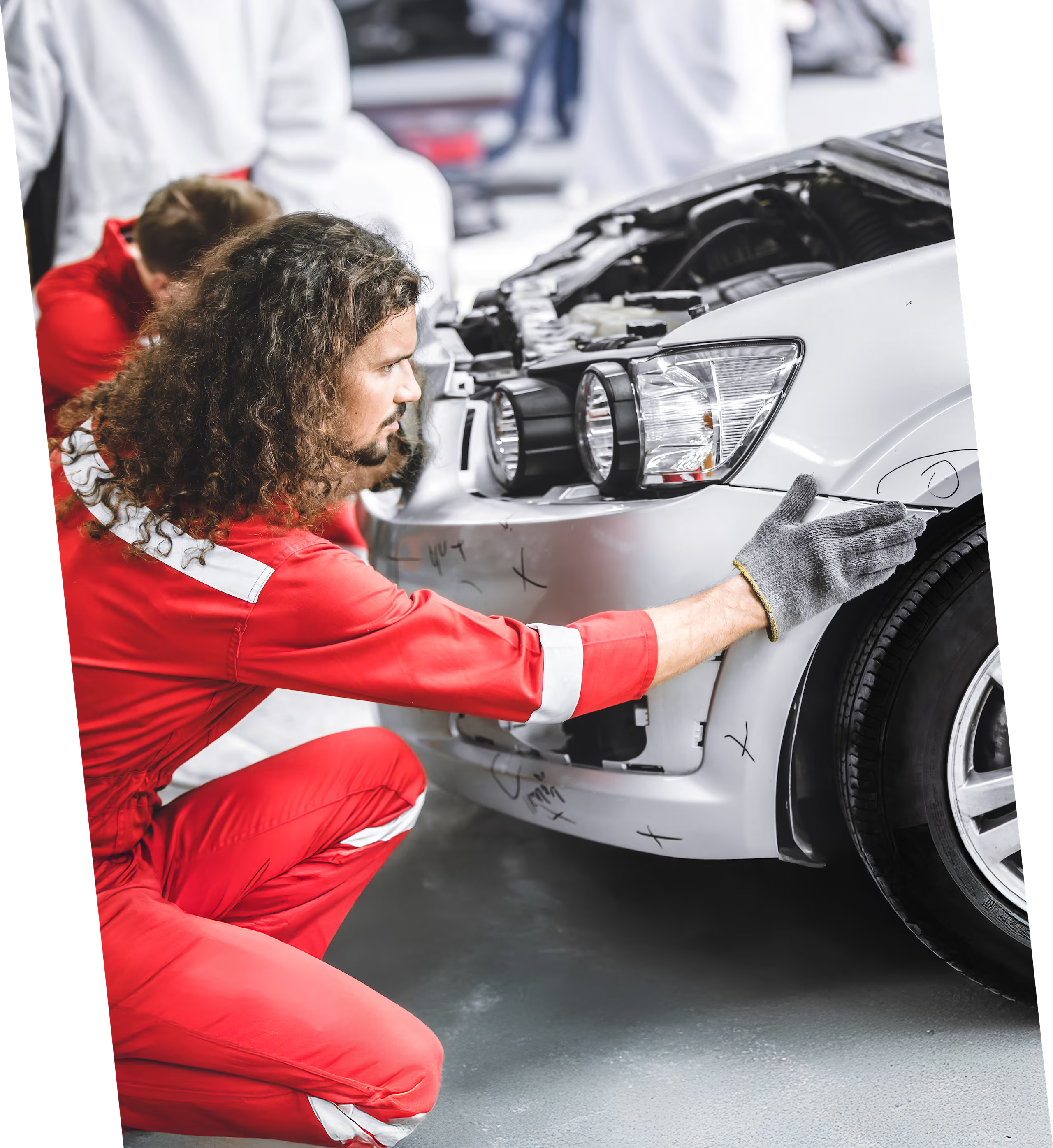
Pro Collision Center proudly serves Sacramento and the surrounding communities with expert collision repair and premium auto body services from our Sacramento North East shop.
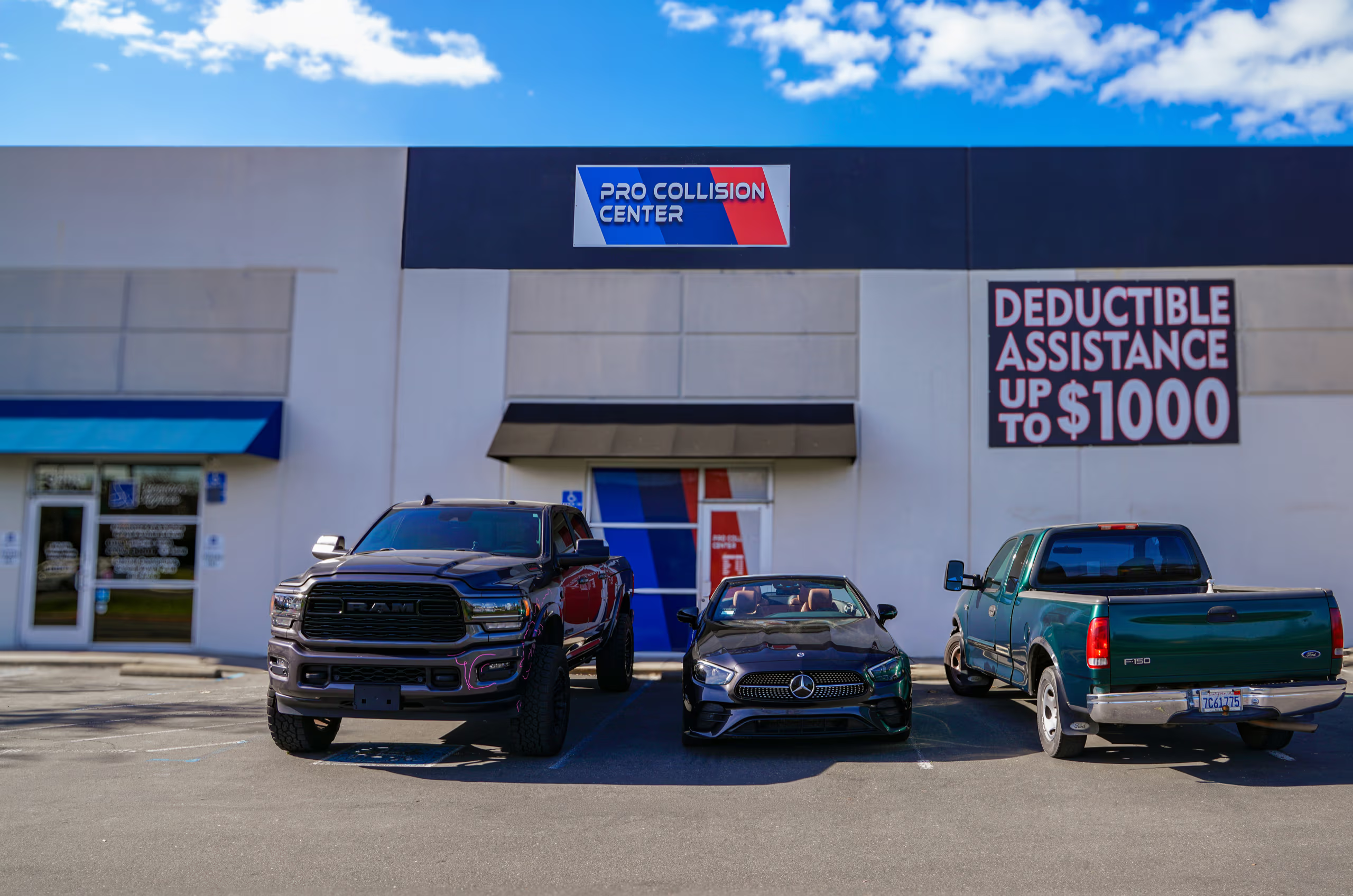
Expert collision repair in Sacramento North East specializing in insurance claims, structural repairs, and professional auto body restoration.



Reviews
Very detailed and professional

Great price, professional, and timely. Thanks guys.

The level of service and skill at Procolor is always exceptional as they go above and beyond to make sure your car gets fixed perfectly in a timely manner.

Quick friendly and knowledgeable

I Had The Best Experience Dealing With This Collision Repair Shop The Whole Team Hear Was Wonderful From The Front Desk She’s Very Professional And Courteous To The Estimate People All The Way Up To The Top Management. During This Stressful Time They Helped Made The Process Go Better. Thank You ProColor Collision North East!!! They Are Truly The Best!!!

Having been in an accident is never easy, but the staff and the excellent body work that Pro Color Collision completed on my car was exceptional. I have never had such a quick and easy process in getting my car repaired. Mimi and Nicole were awesome they made the experience even better. I would highly recommend Pro Color Collision for quality work and extremely friend and helpful staff.

The folks at ProColor were very helpful and friendly! Mimi and Nicole were very nice :)

I had such a great experience with ProColor Collision they make a great job with my car. And also the front desk girl and Claudia were so kind and friendly. Thank you so much!

Quick 🙌🏼🙌🏼 and Claudia is very nice.

Very good company and friendly employees. Quick real estimate and fast professional job done. Recommend to everyone who wants their car to look beautiful.

I have used ProColor Collision on several occasions. They have always been professional and helpful, keeping me up to date with how things are going.

Everyone was very pleasant and professional. I would definitely recommend ProColor Collision when in need of auto body repair. Wow‼️❤️👍

ProColor Collision did a great job on my car. The staff was professional, kept me informed, and completed the repairs on time. My car looks like new. Highly recommend for quality collision repair.

The team at this location is outstanding! They kept me informed and updated every step of the way, going above and beyond throughout the entire process. I’m beyond satisfied with their service and will definitely return for any future body work needs. I highly recommend them to anyone! They even took the extra step of washing and cleaning both the inside and outside of my car which was so nice of them! My car looked amazing after and like brand new again! Thank you guys so much!

Up Front And Detailed About Repairing Looks Over Project With Well Trained Eye What Got Me Was He Sent His Body Man Out To Look Over Project And Got His Opinion

Nice helpful stuff



What Is Auto Body Repair?
Auto body repair restores damaged body panels and the structures that support them. Depending on the damage, a technician may remove a dent, replace a panel, correct its fit or repair an approved structural section. Prepared surfaces are protected and refinished before removed trim and fittings are installed again. The process also accounts for sensors or other components disturbed by the work. Cosmetic improvements and correct assembly need to be considered together, particularly after a collision.
Who Needs Professional Bodywork?
Bodywork is useful when damage affects more than the appearance of a dirty or weathered finish. Owners may need it for creased metal, scratched panels, doors that sit unevenly or a bumper that has pulled away from the body. Torn edges and exposed metal require attention because damaged protection can allow deterioration. Even a modest dent deserves closer assessment when it sits near a hinge, latch or structural connection. Tell the estimator about earlier repairs so the new plan can account for existing filler, coatings or alignment problems.
What Body and Panel Problems Can an Auto Repair Shop Correct?
A body shop can restore panel shape, attachment and surface condition where repair is permitted. Common problems include:
Dents, sharp creases and torn outer skins.
Door, hood or trunk gaps that changed after an impact.
Damaged seams and areas with exposed substrate.
Uneven paint, scratches and poorly blended prior work.
Structural displacement affecting panel alignment.
Some defects require a replacement rather than additional filler or adjustment. That decision should reflect the damaged part's construction and the surrounding vehicle condition.
How Do Technicians Diagnose hidden panel and frame damage?
Inspection starts with how the panels relate to each other: their gaps, edges, hinges and latch operation. Removing affected trim or panels can reveal deformed inner supports, separated joints or previous repairs concealed by the finish. Scott Kaboos, an ASE Master Collision technician and I-CAR technical specialist, recommends researching material-specific repairability. Structural measurements and alignment findings then help explain whether an apparent fit problem originates deeper in the body. Diagnostic scanning adds information about connected systems when the repair area or symptoms warrant it.
How Do OEM-Grade Parts and Color-Matching Systems Affect Repair Quality?
Good bodywork depends on a compatible combination of replacement parts, joining methods and protective coatings. A panel that is difficult to align may signal a parts-fit issue or remaining damage beneath it. Manufacturer instructions determine the permitted attachment approach and where corrosion protection must be restored. For color, a paint code provides a starting formula; variant selection and blending account for differences in the surrounding finish. Quality checks should cover the panel's shape and edge protection as well as its visible color.
What Should You Consider Before Choosing an Auto Body Repair Shop?
Choose a shop that can explain both its proposed body repairs and the reason for each replacement. Ask about qualifications, equipment, finish preparation and whether the estimate identifies the actual parts categories. Insurance support should help document necessary work without suggesting that the shop controls coverage decisions. California's consumer bill of rights supports obtaining an itemized estimate and detailed invoice. Before booking, also agree on progress updates, likely dependencies and the warranty terms covering the body and paint work.
What Is Included in Professional Body Repair?
Professional body repair can include panel correction, dent removal, replacement of damaged sections and restoration of protective finishes. Structural operations are added when inspection establishes that the supporting body has moved or been damaged. The painter prepares and coats repaired surfaces, then the vehicle is reassembled with trim, seals and attachments correctly fitted. Required calibration follows disturbance of relevant equipment. Polishing and a final fit review address the finished appearance, while the invoice records the operations carried out.
How Can You Schedule Bodywork in Sacramento?
Start by describing the body panel that needs attention and how the damage occurred. Sacramento customers can request an inspection through our website or speak with the team at the North East location. Photos taken from several angles help show the shape of a dent and its position near panel edges. During the visit, we assess the vehicle and discuss repair options, including any areas that need disassembly to inspect. Approve the agreed bodywork after reviewing the estimate, parts approach and expected sequence.
What Affects the Price of Auto Body Repair in Sacramento?
Two dents that look similar in photographs can produce different body repair estimates. One may have easy access and intact paint, while the other sits over a reinforcement and requires trim removal, welding or a new panel. Labor, replacement components, refinishing materials and the area needing color blending all influence the total. Structural measurements or ADAS operations add work when the damage requires them. If teardown exposes additional damage, a revised proposal should explain the findings and added cost before authorization. An inspection is therefore more useful than a fixed price quoted from the panel name alone.
How Does the Auto Body Repair Process Work from Inspection to Final Quality Control?
The body repair sequence is planned around restoring fit before committing to the finish.
Inspect the affected panels and establish the initial scope.
Remove the necessary components and assess concealed supports.
Confirm the repair method, replacement parts and approvals.
Restore structure and panel shape, checking their relationship during the work.
Prepare surfaces, refinish and complete the required curing.
Reassemble, perform applicable calibration and inspect the completed vehicle.
Parts availability or newly discovered damage can change the schedule. The final review should compare the completed job with the authorized repair plan.
Why Choose Pro Collision Center for Auto Body Work in Sacramento?
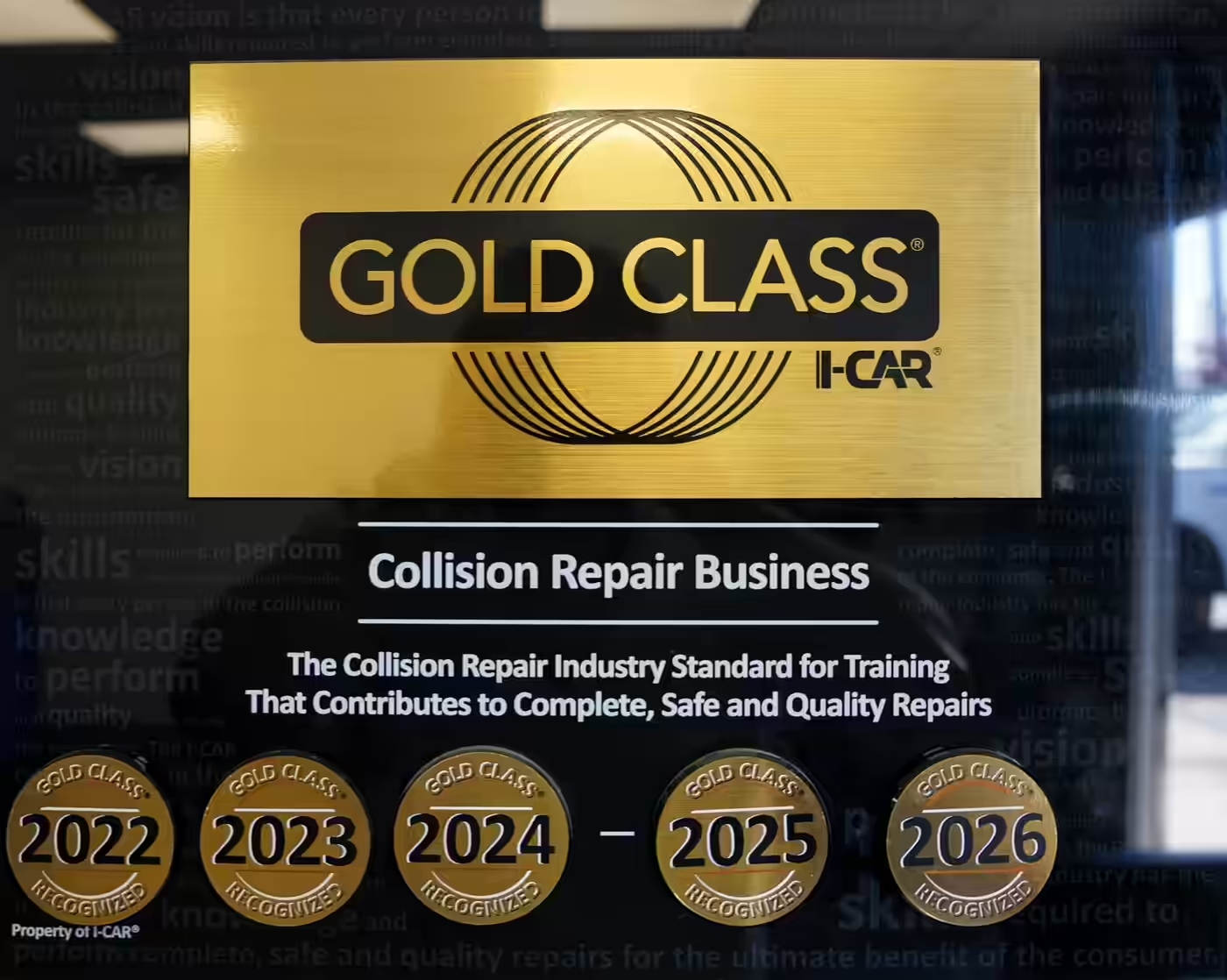
Our body repair service combines computerized measurement, certified technicians and paint matching to address panel shape, fit and finish together. With more than ten years of service and over 50,000 clients, Pro Collision Center offers an established Sacramento team for that work. We use premium materials, belong to the CSN network and assist with insurer documentation. Lifetime workmanship protection supports the completed repair while you own the vehicle. Review the written terms for the bodywork and refinishing included in your estimate.