
Understanding Collision Repair Costs: Key Examples
Collision repair costs depend on vehicle type, damage severity, parts, labor rates, and insurance. Comparing estimates and understanding the breakdown helps ensure fair pricing.
Understanding collision repair costs can be daunting. Many factors influence these costs, making it hard to predict expenses.
From minor scratches to major structural damage, each repair scenario is unique. The type of vehicle and extent of damage play crucial roles.
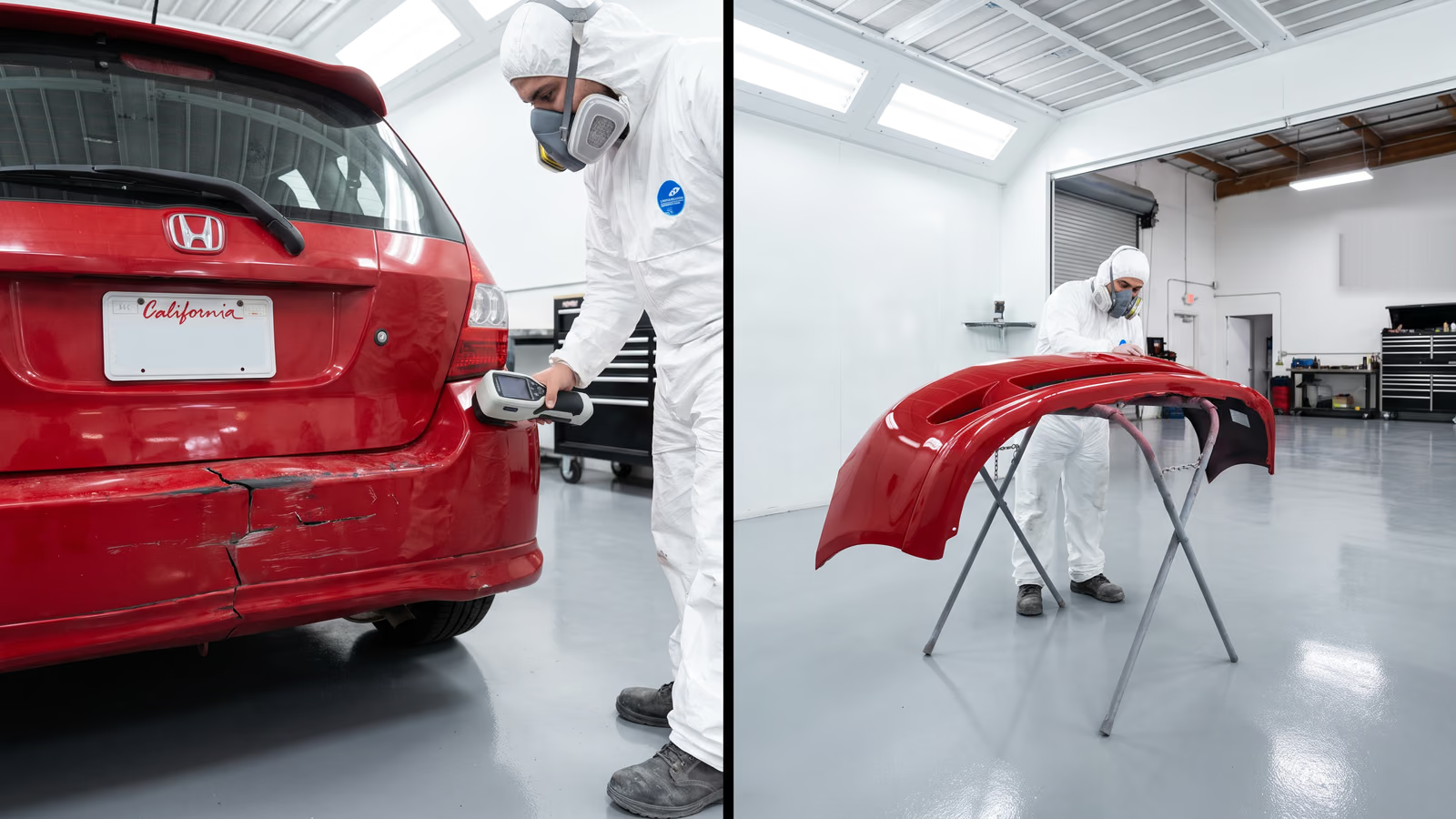
Rear-end collisions are common and can vary widely in repair costs. A simple bumper fix differs greatly from frame damage.
Body shop quotes can also vary. Location, labor rates, and shop reputation all impact the final price.
Luxury vehicles, like BMWs, often incur higher repair costs. Specialized parts and labor contribute to these increased expenses.
Repairing a car door might seem straightforward. However, costs can escalate with paint, labor, and parts involved.
Accurate vehicle repair estimates are essential. They should detail parts, labor, and any additional fees.
Understanding these elements helps in navigating collision repair prices. It ensures you get fair and accurate estimates.
What Influences Collision Repair Costs?
Several factors affect collision repair costs. Understanding these can help manage your expectations and budget effectively.
Key Factors in Repair Costs
The vehicle's make and model are significant factors. Luxury brands often have higher repair costs due to the price of parts.
The extent of damage also matters. Minor cosmetic repairs differ from substantial structural damage.
Here are critical elements that influence repair costs:
- Vehicle Type: Luxury or standard makes a difference.
- Damage Severity: Cosmetic vs. structural impacts.
- Parts Used: OEM or aftermarket parts change pricing.
- Labor Rates: Varies by region and shop.

Location affects labor rates and shop costs. Urban areas often have higher prices compared to rural regions.
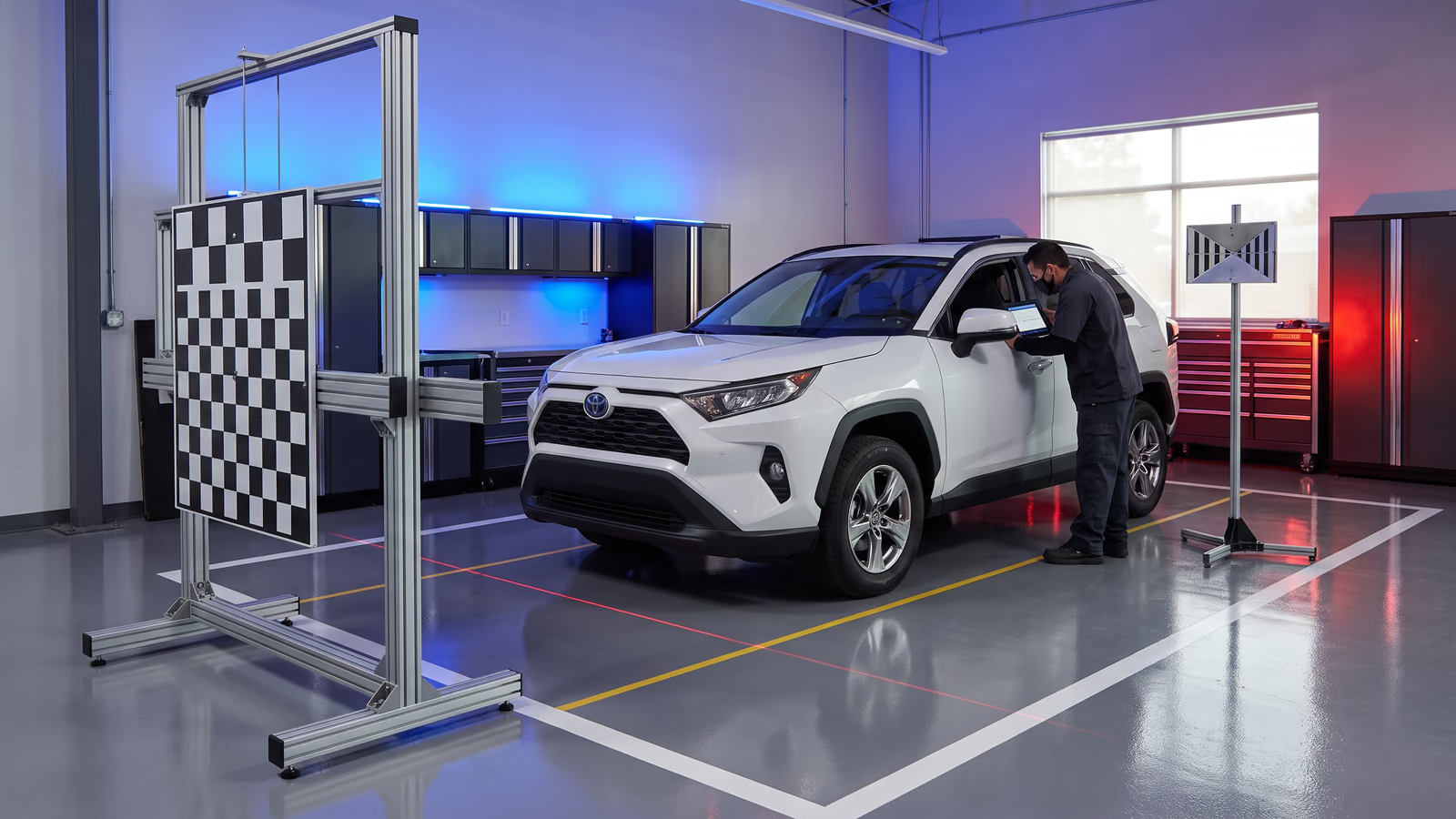
In addition, new technology in cars affects costs. Features like sensors and cameras require specialized repairs.
Choosing between OEM and aftermarket parts also influences prices. OEM parts tend to be more expensive, but compatible.
Understanding these aspects can help you navigate the complexities of collision repair expenses. With this knowledge, you can make informed choices.
Rear-End Collision Repair Cost Examples
Rear-end collisions are common and can vary widely in cost. Whether it's a minor bump or major damage, knowing examples helps set realistic expectations.
Minor rear-end collisions may only require bumper repairs. These repairs often range from $300 to $1,000.
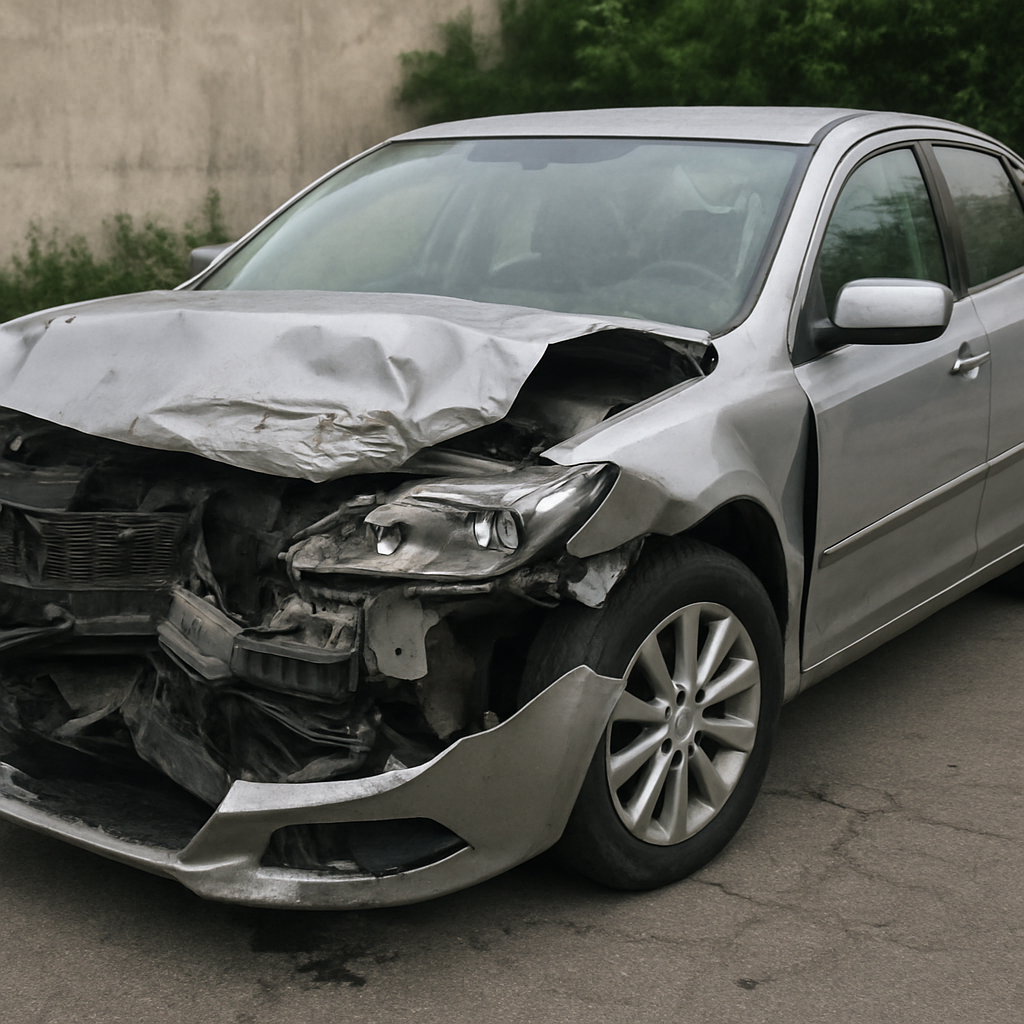
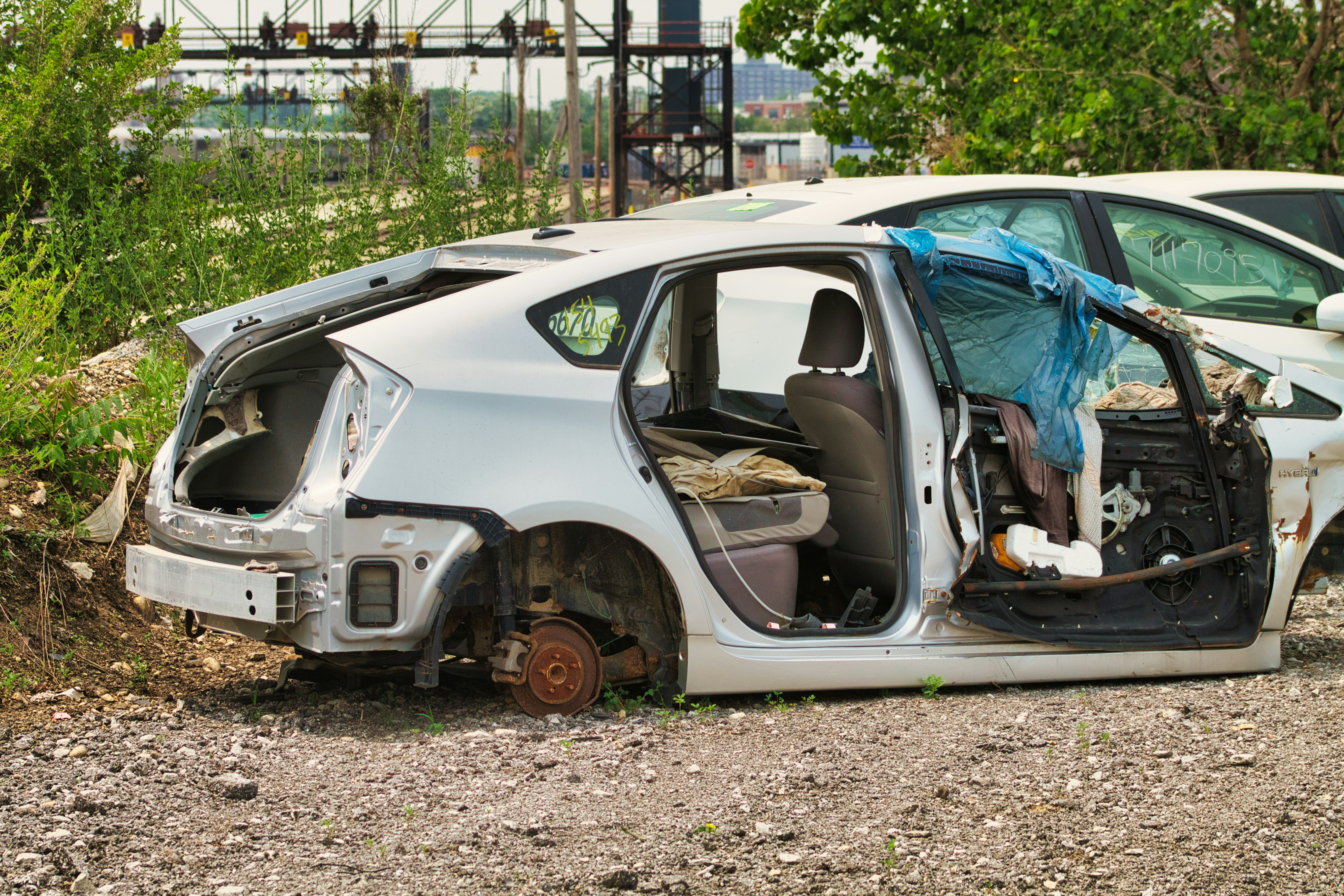
Severe collisions can damage the frame, trunk, and more. Such extensive repairs can exceed several thousand dollars.
Here's a simple breakdown of typical rear-end collision costs:
- Bumper Repair: $300 to $1,000
- Trunk Damage: $500 to $1,500
- Frame Damage: $1,000 to $4,500 or more
by Josh Sonnenberg (https://unsplash.com/@joshsonnenberg)
Location impacts costs too. Metropolitan areas tend to have higher labor rates, thus higher repair costs.
Parts availability and choice significantly contribute as well. OEM parts offer compatibility but at a higher cost than aftermarket options.
Paint jobs also add to expenses. Color matching is crucial for a seamless repair, impacting the overall cost.
Insurance plays a role in mitigating costs. Comprehensive coverage can reduce out-of-pocket expenses, depending on your deductible.
Finally, hidden damages can exist even if the visible damage seems minor. Always seek a comprehensive assessment to avoid unexpected costs.
Understanding these factors provides a clearer picture of what to expect. With this knowledge, you can better prepare for rear-end collision repairs.
Body Shop Quotes: What to Expect
When seeking body shop quotes, multiple factors can affect the price. Understanding these can help you navigate the repair process more effectively.
Firstly, location plays a significant role. Urban areas generally have higher labor costs compared to rural locations. This variance can lead to differing quotes from shops in different areas.
Reputation of the body shop also matters. Well-known shops may charge premium prices due to their expertise and quality assurances.
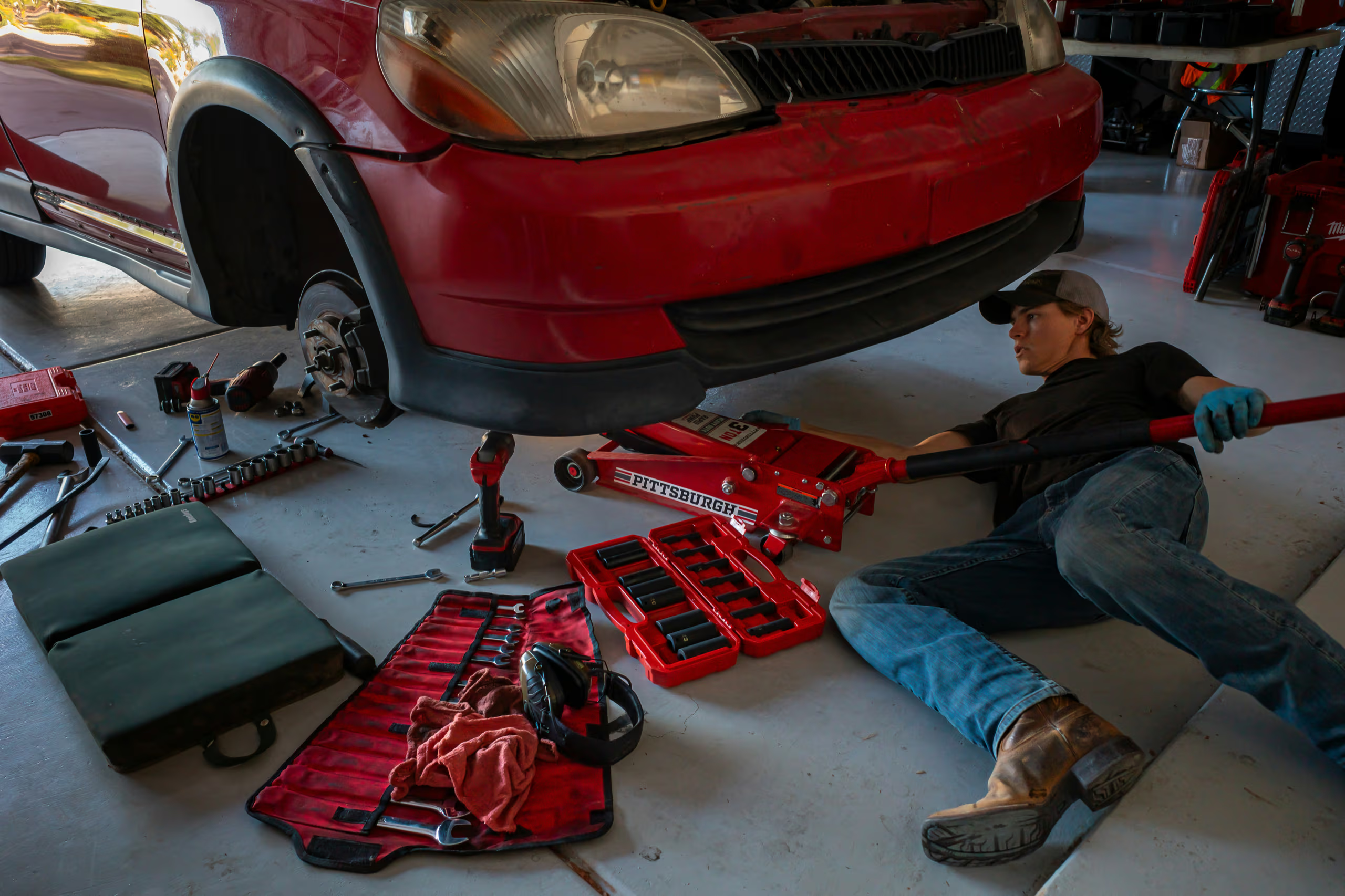
When reviewing a body shop quote, look for these key elements:
- Labor Costs: Rates charged per hour for the work performed.
- Parts Costs: Itemized list of required parts, including OEM or aftermarket.
- Additional Fees: Consider environmental fees or disposal charges.
by Joseph Pillado (https://unsplash.com/@rvisionmedia)
Don't forget that quotes might not include taxes. Ensure you ask for a comprehensive breakdown.
The complexity of the repair impacts the quote, too. More intricate repairs or those needing specialized equipment increase the cost.
Finally, some shops offer warranties on their repairs. This can provide peace of mind but may also be reflected in a higher quote.
Getting multiple quotes is wise. It offers a benchmark for assessing fair pricing and helps in selecting the best option.
Collision Repair Cost Examples for a Door
The cost to repair a car door can vary widely. Simple dents might need minor fixes, while severe damage could involve extensive work.
For minor dents, paintless dent repair is an option. This technique preserves the existing paint and is often more affordable. Costs for such repairs typically range from $75 to $200.
However, if the door has structural damage, repairs become more complex. This could involve straightening, repainting, or even part replacement. Such repairs might cost between $500 to $1,500, depending on the severity.

by Benjamin Brunner (https://unsplash.com/@ben_brunner)
Paint repairs are another consideration. Matching the original color can add to the bill. High-quality paint jobs might range from $300 to $1,000, based on the door's condition and color complexity.
Here are some elements of door repair costs:
- Paintless Dent Repair: $75 - $200
- Structural Repair: $500 - $1,500
- Paint Matching and Finishing: $300 - $1,000
Factors like the make and model of your vehicle influence costs too. Luxury vehicles or cars with custom finishes could incur higher charges due to specialized parts or materials.
Evaluating body shop expertise can further help in managing expenses. Skilled professionals might expedite repairs, ultimately saving money and ensuring a satisfactory outcome.
Collision Repair Cost Examples: BMW vs. Standard Vehicles
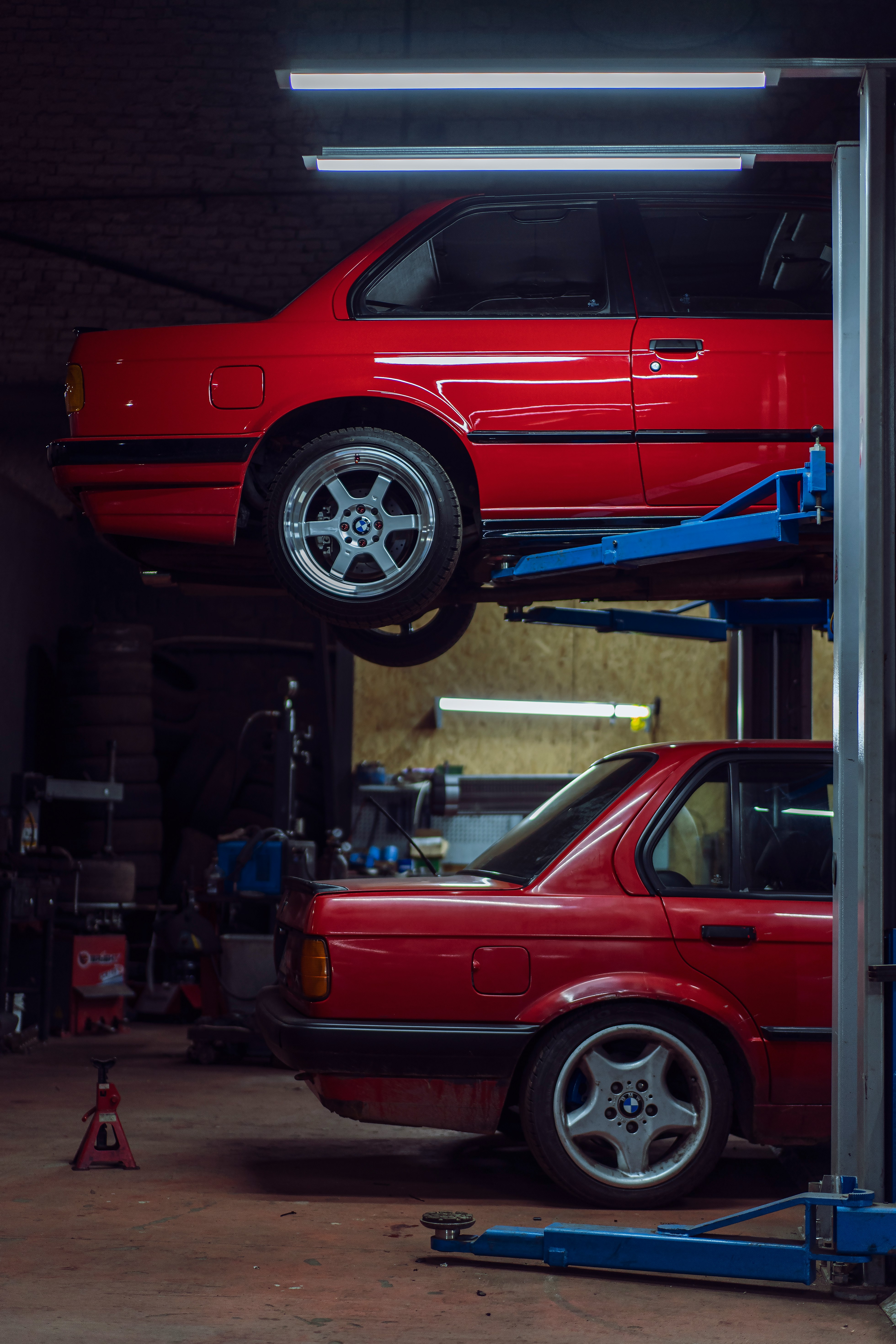
Repair costs can differ significantly between luxury brands like BMW and standard vehicles. BMWs often incur higher expenses because of their specialized components and sophisticated engineering.
For instance, bumper repair on a BMW can cost between $1,000 and $3,000. Standard vehicles might see similar repairs ranging from $500 to $1,200. The difference largely stems from BMW's use of high-grade materials and advanced technology.
by Anastasiia Krutota (https://unsplash.com/@krutota)
Labor charges also play a role. Luxury vehicles require technicians with specialized training, which leads to higher hourly rates. These rates can significantly impact overall repair costs, particularly for major damage.
Another factor to consider is part availability. BMW parts may need to be ordered, causing delays and possibly raising costs if expedited shipping is needed. In contrast, standard vehicle parts are usually readily available, helping to keep costs down.
Here are typical repair costs for BMW and standard vehicles:
- BMW Bumper Repair: $1,000 - $3,000
- Standard Bumper Repair: $500 - $1,200
- Luxury Vehicle Labor Rates: $120 - $150 per hour
- Standard Vehicle Labor Rates: $75 - $100 per hour
Quality and warranty also differentiate repairs. BMW service centers often offer warranties, justifying the premium price. In contrast, standard body shops may not have equivalent offers. Evaluating these factors helps drivers make informed decisions to ensure their vehicles are repaired to a high standard.
Vehicle Repair Estimates: How to Read and Compare
Reading a vehicle repair estimate can feel daunting. This is because of the technical jargon. Understanding key components makes it simpler.
Estimates typically outline parts, labor, and miscellaneous costs. Each section should be clear. If something is confusing, ask for clarification from the repair shop.
by Dillon Wanner (https://unsplash.com/@dillydallying)
Comparing estimates from different shops can help find the best deal. However, cost shouldn’t be the only factor. Consider the shop's reputation and any included warranties.
Here's how you can effectively compare estimates:
- Parts: Check if the parts are OEM or aftermarket.
- Labor: Note the hourly rate and estimated hours.
- Warranty: See if repair work is covered.
- Extras: Look for any additional fees.
Pay attention to details. Some shops might include hidden fees or use ambiguous terms. A transparent, detailed estimate signifies a trustworthy shop. It's wise to get multiple quotes. This ensures you pay a fair price for quality service. Always base your decision on a combination of cost, quality, and professional reputation.
Collision Repair Prices: Minor vs. Major Damage
Collision repair prices can differ significantly. The extent of damage is a major factor. Minor damages are usually cheaper and quicker to fix.
Minor repairs typically involve small dents or scratches. These may require minimal labor and a quick paint touch-up. The cost can still fluctuate based on vehicle type.

by Gleb Paniotov (https://unsplash.com/@paniotovvv)
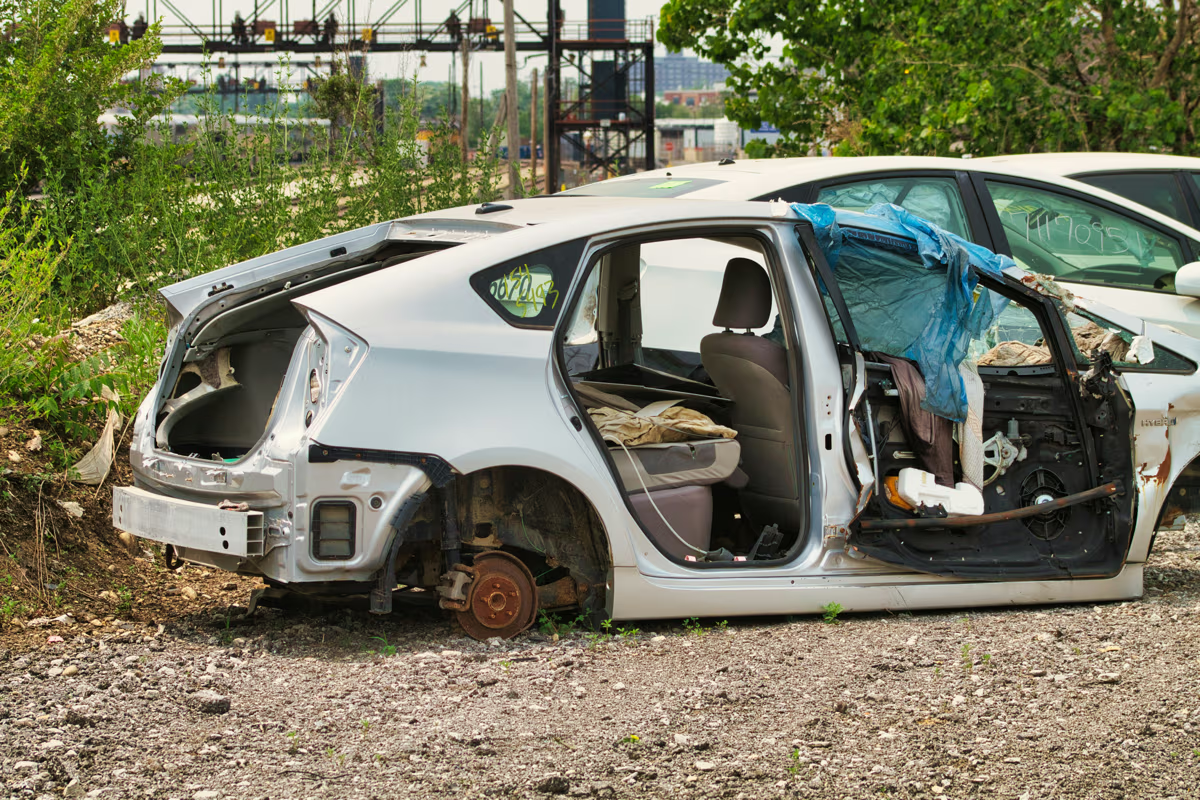
Major damages, however, can escalate costs considerably. They might involve frame damage or significant body panel replacements. Labor is usually intensive, adding to the expense.
Here's a brief look at the differences:
- Minor Damage:
- Quick and less expensive.
- Usually involves dents and scratches.
- Major Damage:
- Costs more and takes time.
- Requires extensive labor and parts replacement.
Major repairs could need specialized skills or tools. This can raise both cost and repair time. It's vital to assess the damage thoroughly. What looks minor might have hidden issues.
Accurate estimates require full vehicle inspection. This ensures the repair is complete and safe. Spending a bit more on thorough repairs is often worthwhile. Prioritize quality and safety over saving a few dollars. Consider both present costs and future vehicle performance.
Insurance and Out-of-Pocket Costs
Insurance plays a crucial role in collision repair expenses. It can significantly reduce out-of-pocket costs. Understanding your policy is essential for financial planning.
Every insurance policy has a deductible. This amount is what you pay before insurance kicks in. Ensure you're clear on this figure to avoid surprises.
Out-of-pocket costs depend on your coverage level. Comprehensive policies often cover a broader range of repairs. Check if your policy includes rental car reimbursement.
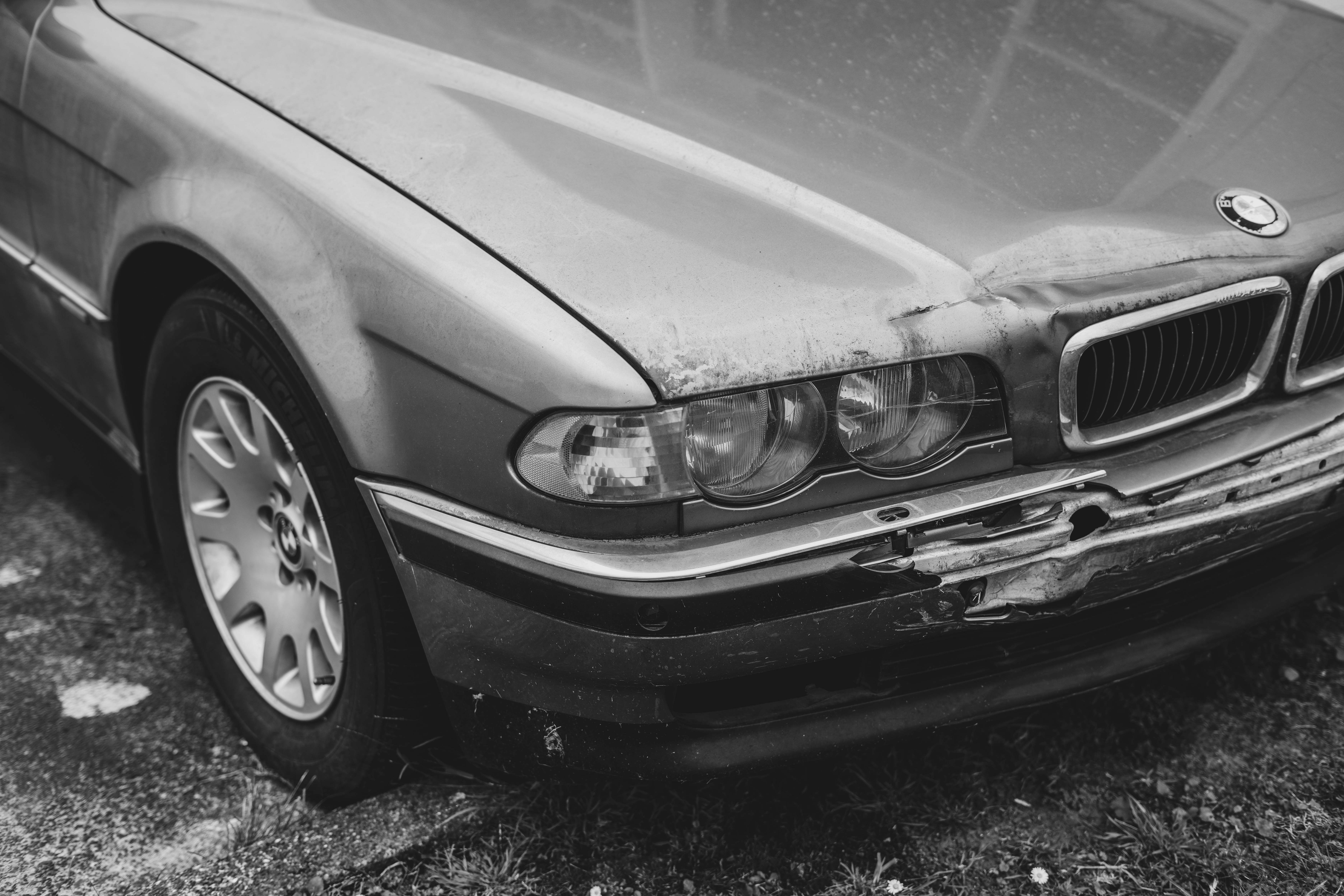
by Gaurav Kumar (https://unsplash.com/@countingframez)
When evaluating insurance coverage, consider these key points:
- Deductible Amount: Know what you'll pay upfront.
- Coverage Limits: Understand what your policy covers.
- Additional Benefits: Check for perks like rental cars or roadside assistance.
Sometimes, people opt to pay out-of-pocket for minor repairs. This can be practical if the cost is less than the deductible. However, if the damage is substantial, insurance claims can save money.
Always keep track of repair receipts and insurance documents. This helps in any future claims or questions. Comprehensive documentation ensures transparency and can facilitate quicker insurance settlements. Being organized reduces stress and speeds up the repair process.
Tips for Managing Collision Repair Expenses
Managing collision repair expenses can feel daunting. However, with the right strategies, you can keep costs under control. Here are some practical tips.
First, always shop around for estimates. Request multiple body shop quotes before making a decision. This ensures you get the best deal for your repairs.
Consider the parts used in your repair. OEM parts are original, while aftermarket parts are less expensive. Depending on your needs and budget, choosing wisely can affect the cost significantly.
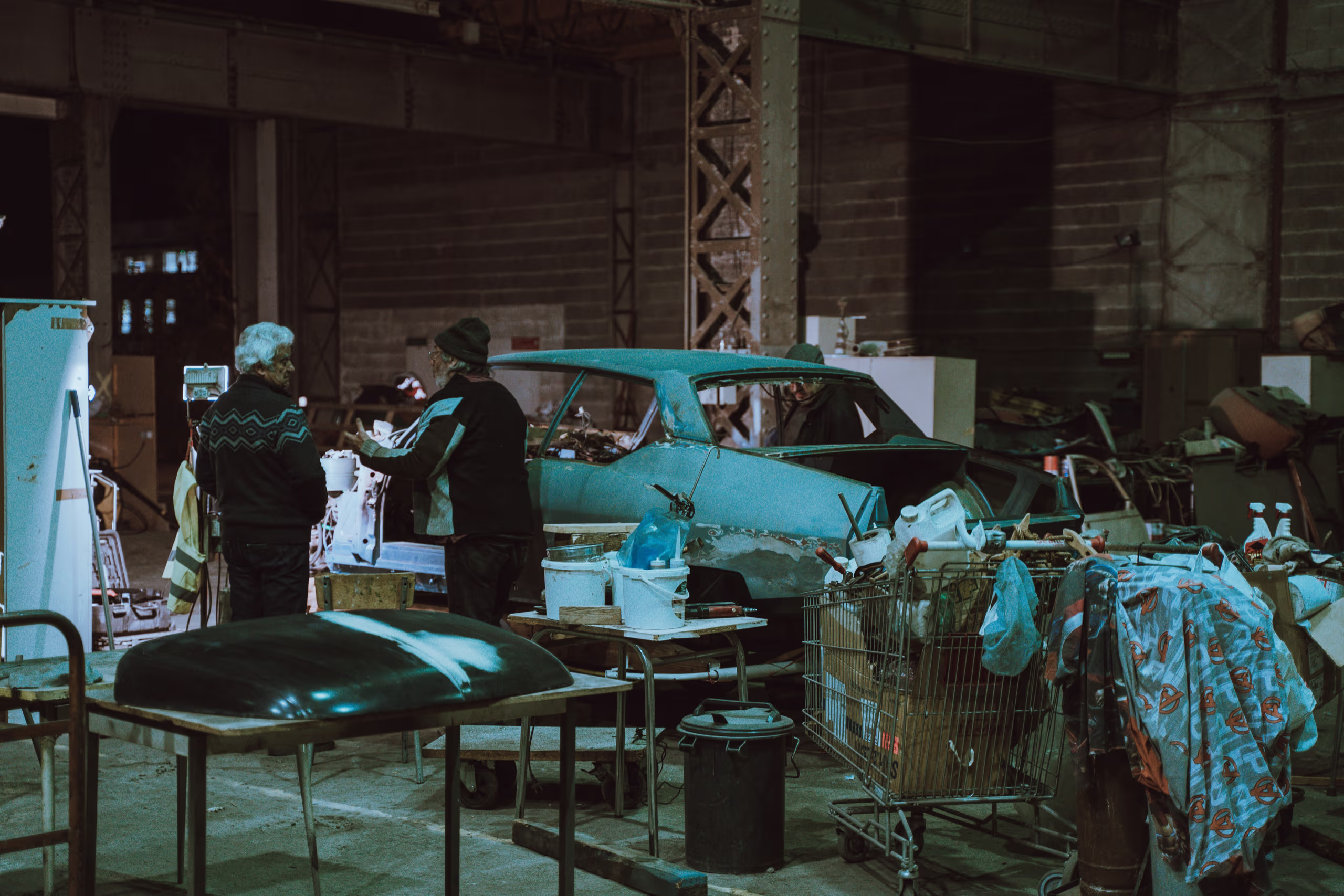
by Florian Olivo (https://unsplash.com/@florianolv)
Here are some additional tips for cost management:
- Negotiate Quotes: Don't be afraid to ask for a better rate.
- Understand Your Insurance: Know what is and isn’t covered.
- Prioritize Repairs: Focus on essential fixes first to manage expenses.
Another effective strategy is to check for warranties. Some body shops offer guarantees on their work, providing peace of mind. This can also save future repair costs if issues arise.
Finally, plan for any inconvenience during repair time. If renting a car, include these costs in your budget. Assessing your needs ahead of time helps avoid unexpected expenses. A proactive approach ensures you're prepared for whatever comes your way.
Conclusion: Getting the Best Value from Collision Repairs
Securing the best value from collision repairs requires diligence. Understanding your options and comparing body shop quotes can make a significant difference. A well-informed approach allows you to balance costs with quality effectively.
Remember, the goal is comprehensive yet economical repairs. Always communicate clearly with your chosen repair shop. Don’t hesitate to ask questions and seek clarity on any charges. By staying proactive, you can ensure your vehicle is restored efficiently without unnecessary expenses. In the end, informed decisions lead to satisfactory results and peace of mind.
Whether you need collision repair, paint restoration, or just a quick quote — we’re here to help. Fill out the form and a team member will reach out promptly to confirm your appointment.