

Common Mistakes in Auto Repair Estimates
Auto repair estimates can be misleading. Comparing quotes, reviewing cost details, and choosing a reputable shop helps you avoid overpaying and ensures fair repairs.
Navigating the world of auto repair estimates can be daunting. Many car owners find themselves overwhelmed by the process. Understanding common mistakes can save you time and money.
An auto repair estimator is a valuable tool. It helps you gauge potential costs before committing to repairs. However, relying solely on estimates can lead to pitfalls.
Many people fail to get multiple estimates. This can result in overpaying for repairs. Comparing quotes from different shops is crucial.
Online tools like vehicle damage calculators are helpful. They provide a preliminary idea of repair costs. Yet, they should not replace professional assessments.
Understanding the breakdown of costs is essential. Labor, parts, and additional fees all contribute to the final bill. Knowing these details helps avoid surprises.
Quality of parts, such as OEM versus aftermarket, affects costs. It's important to consider these options carefully. They impact both price and vehicle performance.
Insurance plays a significant role in repair estimates. Knowing how it affects costs is vital. It can influence your decision-making process.
By avoiding common mistakes, you can ensure fair and accurate estimates. This guide will help you navigate the complexities of auto repair costs.
Understanding Auto Repair Estimates: The Basics
Understanding auto repair estimates is crucial for any vehicle owner. Estimates provide an approximation of the costs involved in repairing your car. They typically include details about the services needed, parts to be replaced, and labor required.
An auto repair estimator serves as a predictive tool. It provides a projected cost based on various factors. These can include the make and model of your vehicle and the extent of damage.
It's vital to distinguish between an estimate and a final bill. Estimates are not final and can change based on unforeseen repairs. Being aware of this distinction helps manage your expectations.
A repair estimate usually breaks down into several components. Here are the primary ones:
- Labor Costs: Fees for the time technicians spend on repairs.
- Parts Costs: Prices for the replacement parts needed.
- Additional Fees: Charges like disposal or shop supplies.
Labor costs can vary significantly between different repair shops. The expertise and reputation of a shop might influence these rates.
Parts costs can also differ based on quality. You'll often have choices between original equipment manufacturer (OEM) parts and aftermarket parts, each with pros and cons.
Additional fees could surprise you if you're not aware of them. These might include costs for minor supplies or environmental fees. Always ask for a detailed breakdown of all expenses included.
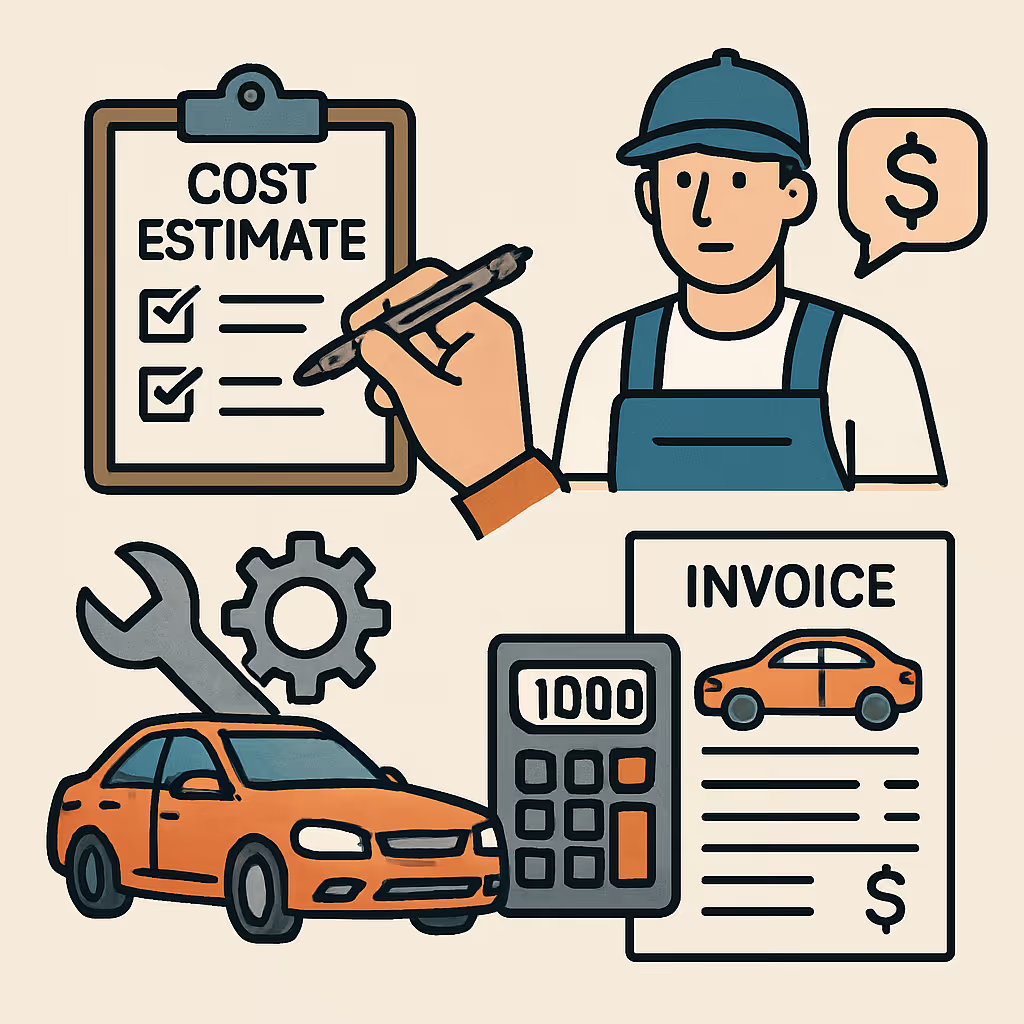
By understanding these key aspects, you'll be better equipped. You'll know what to look for in your auto repair estimates. This knowledge can safeguard you against unexpected costs and ensure transparency throughout the repair process.
Mistake #1: Not Getting Multiple Estimates
One common mistake is failing to obtain multiple estimates for auto repairs. Relying on a single quote may lead to overpaying and missing better offers elsewhere.
Comparing several estimates can provide a more comprehensive view. Different repair shops may have varied pricing structures. This can be due to factors like shop reputation or hourly rates.
Seeking multiple quotes helps identify discrepancies. It becomes easier to spot hidden fees when estimates show a significant variance. This empowers you to make informed decisions.
When getting estimates, pay attention to details. Look for:
- Differences in labor rates.
- Variations in parts quality (OEM vs. aftermarket).
- Additional services that may or may not be necessary.
Don’t shy away from asking about these details. It’s essential to ensure you're comparing apples to apples. Understanding the specifics of each estimate clarifies which offers better value for money.
Most importantly, obtaining several estimates encourages competition. It can sometimes lead to better pricing offers. Repair shops keen to win your business might offer discounts or additional services.

Selecting the right shop often comes down to quality. It’s crucial not to compromise on quality for cheaper options. Sometimes spending a little more ensures a higher level of service and parts.
Ultimately, getting multiple estimates is a strategic approach. It helps maximize savings and guarantees the best service for your vehicle repairs. It offers peace of mind knowing that you explored various options before making a final decision.
Mistake #2: Overlooking the Breakdown of Costs
Another frequent oversight is neglecting to scrutinize the breakdown of costs in an auto repair estimate. Understanding each component of the estimate is critical for ensuring you're getting a fair deal.
A detailed breakdown helps demystify the total repair cost. It allows you to see exactly where your money is going. This makes it easier to identify any inflated charges or unnecessary services.
Each estimate should clearly specify:
- Labor costs
- Parts costs (OEM or aftermarket)
- Any additional fees, such as disposal or diagnostic charges
A vague estimate may hide excessive fees or additional costs that can surprise you later. Insist on transparency from the repair shop. They should provide clear explanations for each line item included in the estimate.
It's also useful to compare the cost of parts and labor against industry standards. This can often be done by using tools like a car repair calculator. These tools provide a benchmark for typical repair costs.
by Joel Timothy (https://unsplash.com/@toeljimothy)
By carefully reviewing the breakdown, you gain deeper insights. You'll be able to challenge any charges that seem unreasonable. This ensures you pay only for necessary repairs, at a fair rate.
The more you know about the specifics of your estimate, the better positioned you are to negotiate or seek a second opinion. Knowledge is power, and in this case, it could save you significant money and stress.
Mistake #3: Ignoring Online Tools and Calculators
In today's digital age, many car owners still bypass the convenience of online tools. These tools can provide quick and rough estimates of repair costs.
Online calculators, such as a vehicle damage calculator, offer preliminary insights into potential expenses. They often use algorithms based on typical repair rates and part prices.
Despite this, some car owners feel skeptical about their accuracy. However, using these tools can provide a solid starting point. They help you understand the possible range for repair costs.
Consider these benefits when using online estimators:
- Instant access to estimated costs
- Ability to compare repair options
- Baseline for price negotiation
Each tool varies in complexity. Some offer simple, quick estimates, while others allow for detailed input, such as car make, model, and type of damage.

by Joseph Kellner (https://unsplash.com/@jkellner)
While not a replacement for professional assessments, these tools aid in setting realistic expectations. They prepare you for discussions with repair shops and ensure you are not caught off guard by repair estimates.
Ignoring these resources can result in a lack of preparedness. Exploring these digital options empowers you to make more informed financial decisions regarding vehicle repairs. Use them to avoid unnecessary surprises in repair costs.
Mistake #4: Failing to Ask the Right Questions
When securing repair estimates, asking the right questions is crucial. Many car owners skip this critical step and end up with vague estimates.
Questions clarify the scope of work and the costs involved. They ensure you are fully informed about potential charges. This practice reduces unexpected expenses during the repair process.
There are several key questions you should ask when receiving an estimate:
- What is included in this estimate?
- Are there potential additional costs?
- How long will the repairs take?
- What type of parts will be used?
These questions help uncover necessary details. For instance, asking about parts type can affect the estimate significantly. Original parts tend to cost more than aftermarket options.
Inquiring about potential additional costs alerts you to any hidden fees. A clear timeline also allows you to plan around repair schedules.
Being proactive in asking questions not only clarifies the estimate but also enhances communication. It shows the repair shop you are knowledgeable and prepared. This can lead to more transparent and fair dealings.
Failing to ask questions can lead to confusion and dissatisfaction. Always go to the repair shop with your questions ready. This will equip you better to handle the auto repair process effectively.
Mistake #5: Not Considering Parts Quality (OEM vs. Aftermarket)
Choosing the right parts for your vehicle is a critical decision. Many car owners overlook this factor when obtaining repair estimates. The choice between OEM (Original Equipment Manufacturer) and aftermarket parts can significantly impact the repair cost and quality.
OEM parts are made by the car's original manufacturer. They often carry a premium price but offer assurance of quality and fit. On the other hand, aftermarket parts come from other manufacturers and can vary greatly in quality and price.
Here's a quick breakdown of what to consider:
- Fit and Quality: OEM parts ensure perfect fit and consistent quality. Aftermarket varies.
- Cost: OEM parts are typically more expensive. Aftermarket parts can save you money.
- Availability: OEM may require a wait; aftermarket parts are often readily available.
- Warranty: OEM parts usually come with warranties; not all aftermarket do.
Ignoring these differences can lead to surprises in repair costs and long-term vehicle performance. Consulting with your mechanic about these options is essential. They can advise which parts suit your vehicle and needs best.
Ultimately, your choice will depend on your budget and priorities. Balancing cost with quality can help you make the best decision. Prior knowledge and consideration of parts quality can ensure you get accurate, fair repair estimates that align with your expectations.
Mistake #6: Missing Hidden or Additional Costs
When getting a repair estimate, it's easy to overlook hidden or additional costs. These costs can significantly increase the final bill. Many car owners miss these hidden charges due to the lack of transparency in estimates.
Common hidden costs include diagnostic fees, environmental fees, and miscellaneous shop supplies. It's essential to inquire about these potential charges when getting an estimate.
Always ask for a detailed breakdown of costs. This approach can help you identify any hidden charges upfront. A vague estimate often leads to unwelcome surprises later.
Here are some key costs to watch out for:
- Diagnostic Fees: Charges for examining your vehicle to determine issues.
- Disposal Fees: Costs associated with disposing of old parts and fluids.
- Miscellaneous Supplies: Charges for small items like rags and bolts.
- Taxes: Applicable local taxes added to the total bill.

by Austrian National Library (https://unsplash.com/@austriannationallibrary)
Understanding these costs helps you budget more accurately. Discuss these elements with the repair shop before approving any work. Being informed about these potential charges can prevent overcharging and ensure a fair repair process. Taking the time to review and question an estimate ensures that you won't face unexpected financial burdens.
Mistake #7: Relying Solely on Free or Online Estimates
Many people depend solely on free or online estimates when planning car repairs. While these tools are convenient, they can be misleading. Online estimates often use general data and may not reflect the specific condition of your vehicle.
Free estimates usually offer a rough idea of the costs. Yet, they might omit crucial details, such as the complexity of the repairs needed. This can result in unexpected price increases once repairs begin.
Therefore, it's crucial to follow up with an in-person assessment. This ensures that the repair shop considers all factors. Face-to-face evaluations allow for more accurate and personalized cost assessments.
Some online estimators fail to account for:
- Local Labor Rates: Varies based on the repair shop’s location.
- Parts Availability: Costs can differ depending on OEM versus aftermarket parts.
- Vehicle Condition: Hidden damages not visible through online assessments.
Balancing online tools with professional advice ensures a more reliable estimate. It's vital to use online resources as a starting point, not the sole source of information.
Mistake #8: Overlooking Labor Costs and Shop Rates
Labor costs make up a significant part of any auto repair estimate. Many car owners focus on parts and overlook the shop's hourly rates. Each shop sets its rates based on location, expertise, and demand.
Ignoring these costs can lead to budget surprises. For instance, a shop with higher rates might deliver faster or higher-quality work. However, if your goal is cost savings, compare several shops’ rates.
The following factors influence labor costs:
- Shop Location: Urban areas may have higher rates than rural ones.
- Technician Experience: Skilled technicians might charge more.
- Shop Reputation: Well-known shops could have premium pricing.

by KC Shum (https://unsplash.com/@kcshum)
Considering these factors helps you make an informed decision. Requesting a detailed breakdown of labor costs can prevent misunderstandings. This clarity allows for more accurate comparisons between shops.
Ultimately, understanding the weight of labor costs aids in accurate budgeting. Taking a thorough approach can lead to better outcomes and avoid unexpected expenses.
Mistake #9: Not Factoring in Insurance and Claims
Insurance plays a vital role in determining repair costs. Many car owners fail to consider how insurance and claims affect estimates. Knowing your policy details can prevent surprises.
Each policy has different coverage limits and deductibles. It’s crucial to understand what your policy covers and what you’ll pay out-of-pocket. Some repairs might not be fully covered, impacting your budget.
Consider these aspects when evaluating insurance impact:
- Deductibles: Higher deductibles usually lower premiums but increase immediate costs.
- Coverage Limits: Be aware of maximum amounts your policy will cover.
- Claims Process: Some insurers have preferred repair shops you may be required to use.

by Joel Timothy (https://unsplash.com/@toeljimothy)
Consulting your insurance provider before finalizing a repair estimate is wise. They can guide you on covered repairs and any potential claim implications. This could ensure that your financial obligations are clear.
Failing to account for these factors can lead to unexpected expenses and delays. Being informed helps manage both repair and insurance processes efficiently.
Mistake #10: Neglecting to Check Shop Credentials and Reviews
Trusting any repair shop without checking their credentials can be risky. Many car owners overlook this critical step, leading to subpar repairs. Ensuring the shop you choose is qualified can safeguard your vehicle's longevity.
Researching a shop’s credentials helps verify its legitimacy. Check for certifications such as ASE (Automotive Service Excellence). These qualifications indicate technicians with proven skills and knowledge in auto repair.
Online reviews provide real insights into customer satisfaction. They reveal the shop's reliability and quality of service. A shop with consistently high ratings is generally trustworthy and likely provides good customer service.
Consider these factors when evaluating repair shops:
- Certifications: Look for ASE or manufacturer-specific certifications.
- Customer Reviews: Read reviews on Google or Yelp for unbiased opinions.
- Shop Affiliations: Verify membership with reputable industry organizations.
by Dillon Wanner (https://unsplash.com/@dillydallying)
Neglecting to review these credentials and customer feedback can lead to regretful decisions. Investing time in this research ensures peace of mind and better repair outcomes.
How to Use Auto Repair Estimators and Calculators Effectively
Auto repair estimators and calculators are useful tools. They provide preliminary estimates for vehicle repair costs. Their convenience makes them popular among car owners.
To use these tools effectively, it's important to understand their scope. Online calculators might ask for details like vehicle make, model, and damage type. Providing accurate and detailed information is crucial for reliable estimates.
These calculators often offer a range based on the data input. It’s essential to remember that while helpful, these estimates are not absolute. They serve as a starting point and can be refined with additional details.
When utilizing these tools, consider the following tips:
- Accuracy: Input precise information about your vehicle and damages.
- Variability: Acknowledge that different tools might give different estimates.
- Updates: Look for calculators with recent data integration for current pricing.

by Erik Mclean (https://unsplash.com/@introspectivedsgn)
Incorporating these tools into your evaluation process enhances decision-making. They offer insight before visiting a shop, saving time and effort. However, a physical inspection by a skilled technician is still vital for a comprehensive estimate. Combining these resources ensures you're well-informed and prepared.
Tips for Getting Accurate and Fair Auto Repair Estimates
Getting a reliable auto repair estimate requires careful attention. A few simple steps can ensure both accuracy and fairness. It's crucial to approach this process with an informed mindset.
Start by researching local repair shops and their reputations. Checking reviews and asking for recommendations provides insight into a shop’s reliability. Shops with consistent positive feedback often deliver trustworthy estimates.
Communicate clearly with the repair technician about your vehicle’s issues. Providing detailed information helps in assessing the problem more effectively. Be upfront about any previous repairs or known issues to avoid misunderstandings.
Consider these tips for a precise estimate:
- Research: Review local shop reputations and feedback.
- Clarity: Communicate your car’s issues thoroughly.
- Detailed Estimates: Request a comprehensive breakdown of all costs.
Also, remember to compare estimates from multiple sources. This will give you a better perspective on pricing and help detect any outliers. With these strategies, you can secure an estimate that reflects the actual repair work needed.
Frequently Asked Questions About Auto Repair Estimates
Auto repair estimates can be confusing. Here, we address common questions for clarity.
What is an auto repair estimate? An estimate is a detailed prediction of the cost to fix vehicle damage. It includes parts, labor, and potential additional fees.
How can I get an estimate? Estimates can be obtained by visiting a repair shop or online using a vehicle damage calculator. Many online tools simplify this process.
Why are estimates important? They provide a financial plan for necessary repairs. Estimates help you avoid unexpected costs and budget accordingly.
What should an estimate include? A comprehensive estimate lists costs for labor, parts (OEM and aftermarket), taxes, and any additional services.
Are free estimates reliable? Free estimates offer a starting point but may not cover hidden costs. It’s wise to double-check with a detailed breakdown.
FAQs Recap:
- Estimate Definition
- How to Obtain
- Importance of Estimates
- Components of an Estimate
- Reliability of Free Estimates
By understanding these fundamentals, you can better navigate the repair process and make informed decisions.
Conclusion: Avoiding Costly Mistakes in Auto Repair Estimates
Navigating auto repair estimates doesn't have to be daunting. By being informed and proactive, you can avoid costly mistakes. Understanding the components of an estimate is the first step toward control over repair expenses.
It's crucial to ask detailed questions and verify the credibility of the shop. Use online tools wisely to compare and contrast estimates from different sources. Opting for multiple estimates ensures you aren’t overpaying for necessary repairs.
Here’s a quick reminder of key points:
- Get multiple estimates
- Check parts quality
- Understand labor and additional costs
- Use online calculators
- Verify shop credentials
These strategies empower you to make wise, cost-effective decisions. With a thoughtful approach, you can confidently tackle vehicle repairs, safeguarding your wallet and your vehicle's condition.
Whether you need collision repair, paint restoration, or just a quick quote — we’re here to help. Fill out the form and a team member will reach out promptly to confirm your appointment.