

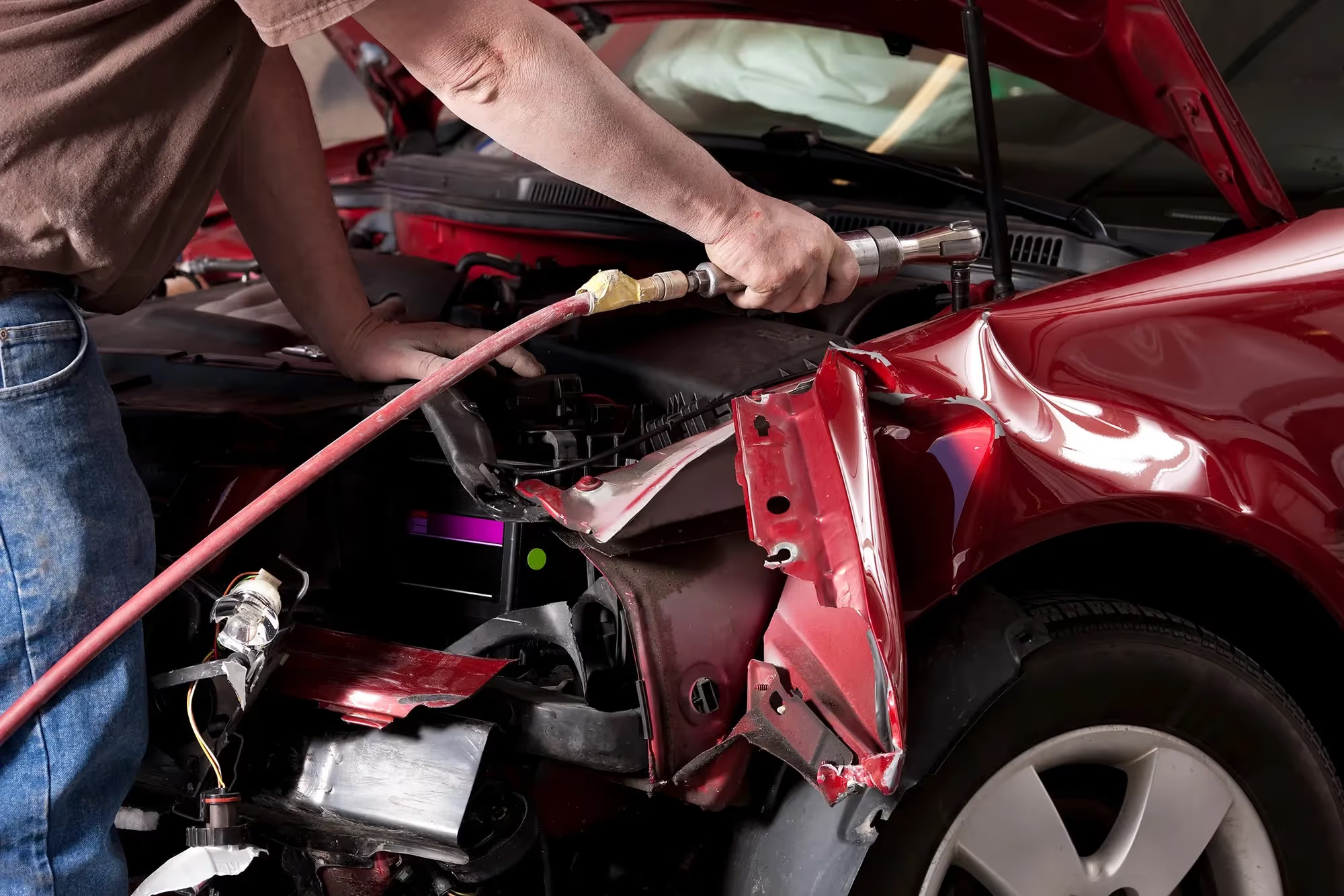

Auto Body Frame Repair in Sacramento
Restoring the Backbone of Your Vehicle
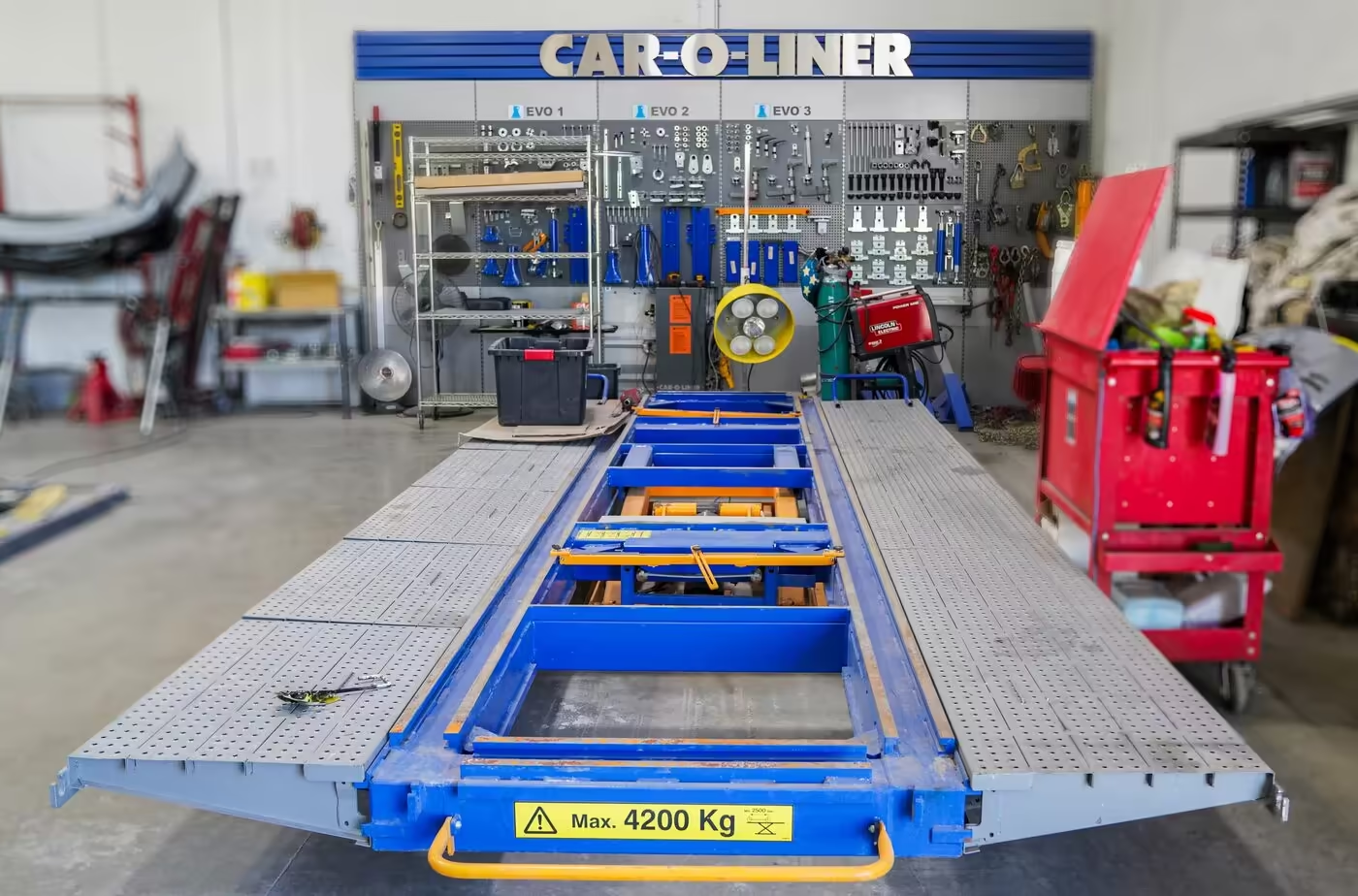
A bent or damaged frame can compromise the entire safety and handling of your car. At Pro Collision Center, we use state-of-the-art frame measuring and straightening equipment to realign your vehicle’s structure to exact manufacturer specifications.
Whether your car was in a major accident or suffered a hard impact, we thoroughly inspect the frame using laser-guided systems and restore every angle, weld, and reinforcement point needed to make it roadworthy again.
“Because no repair is complete without a solid foundation.”
Here’s what’s involved:
- Diagnostic frame measurement and damage analysis
- Structural welding and reinforcement
- Factory-spec straightening using precision machinery
- Suspension and alignment recheck
- Final quality control and test drive verification
Frame damage isn’t something you can judge by looking. If you’ve been in a serious accident, let us measure it properly at our Sacramento North East shop.


YOU CAN SEE

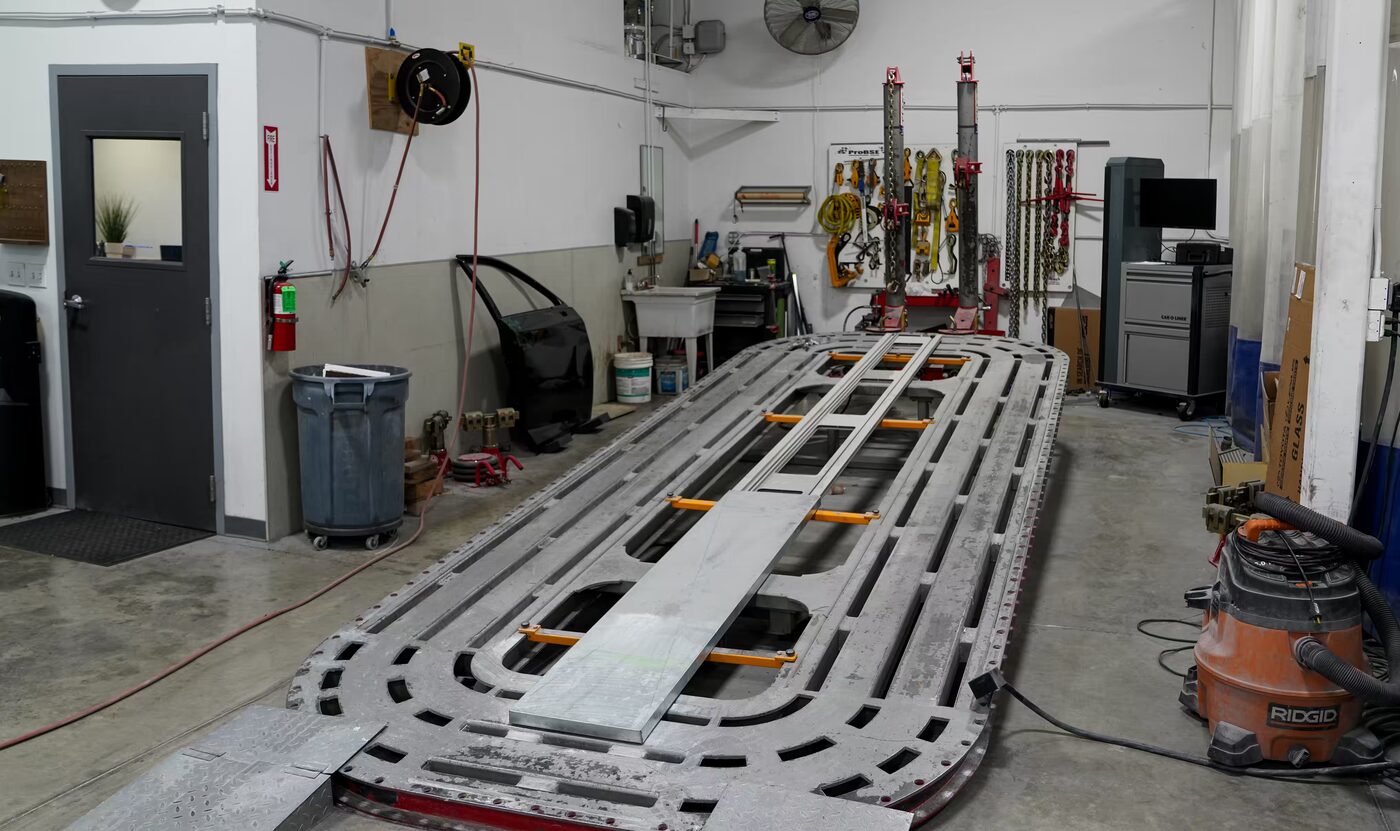
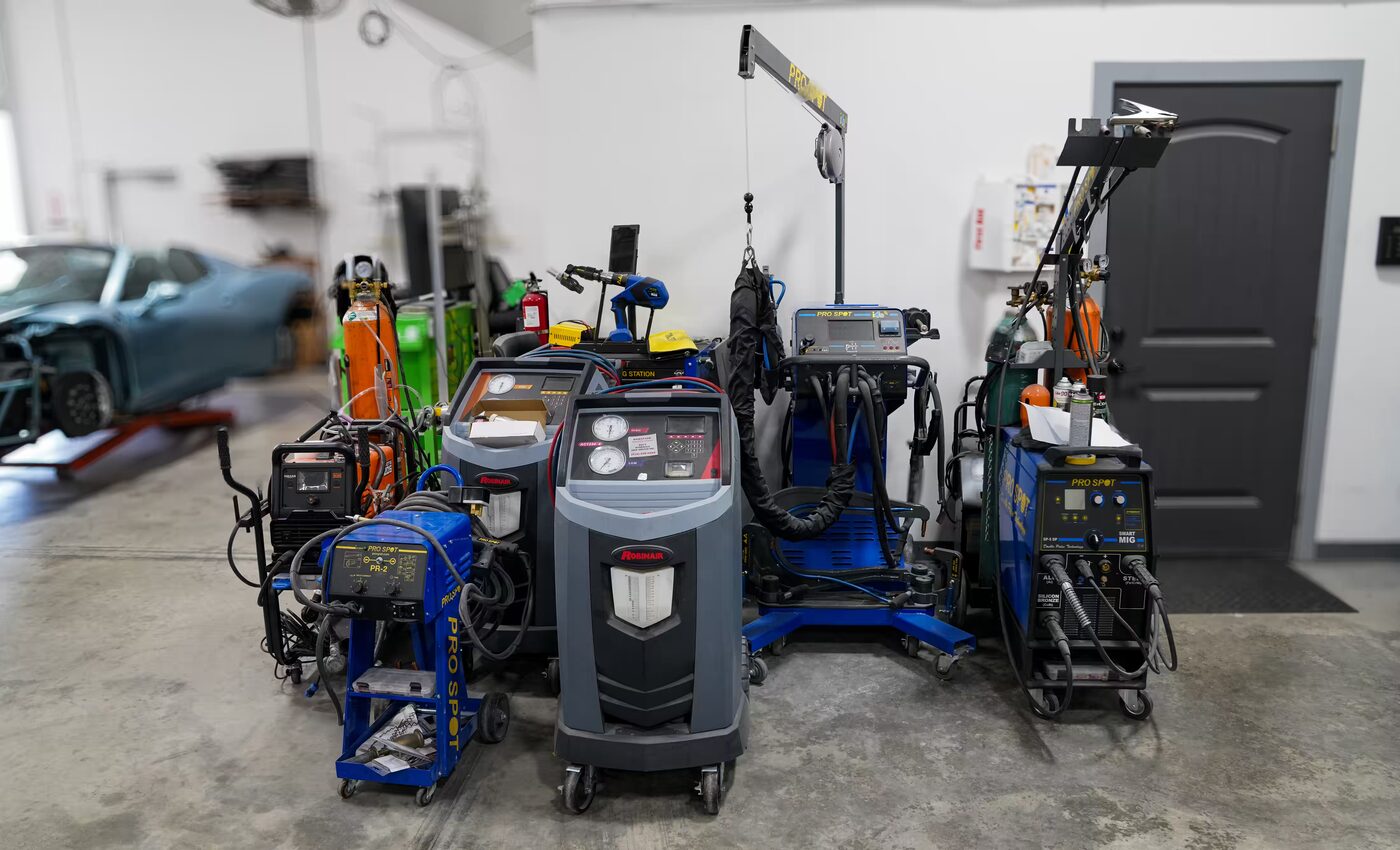
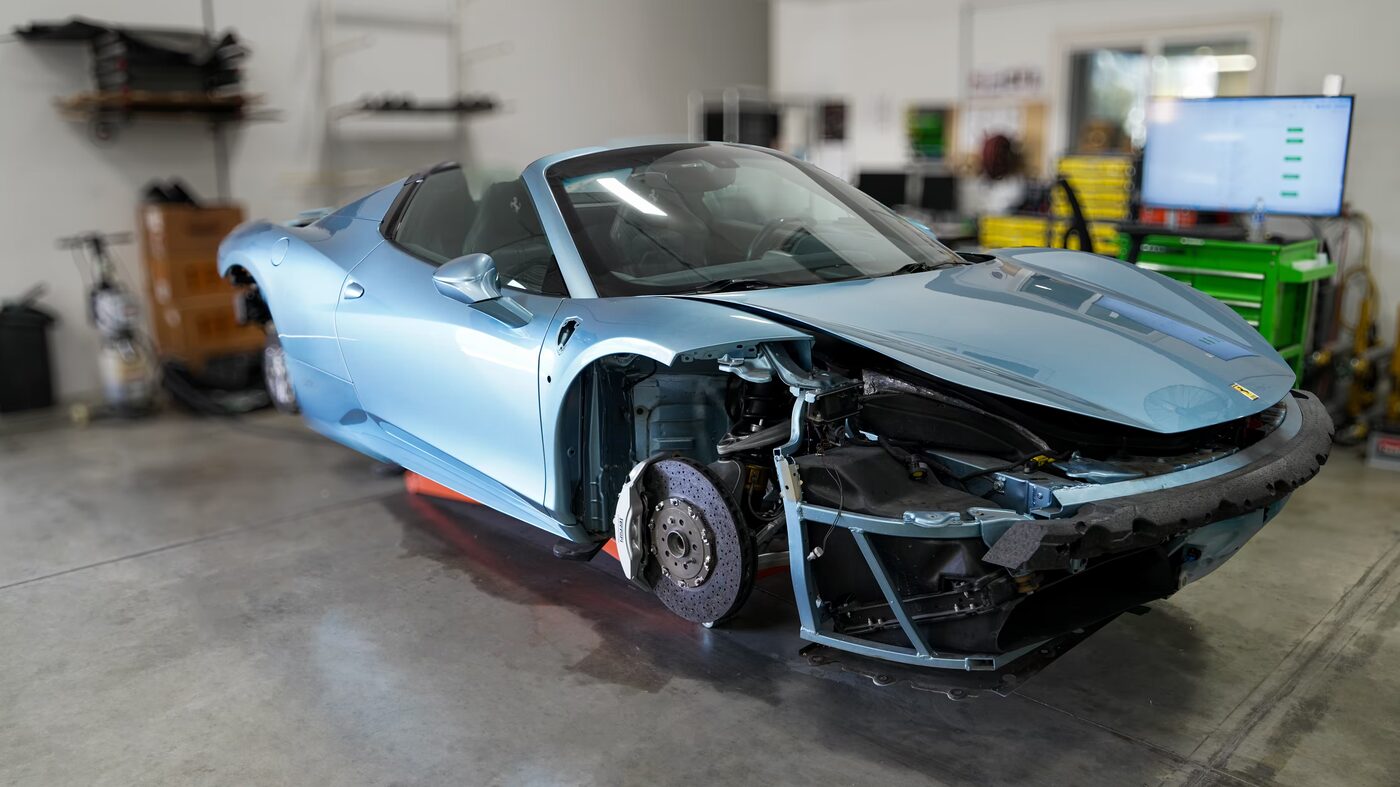
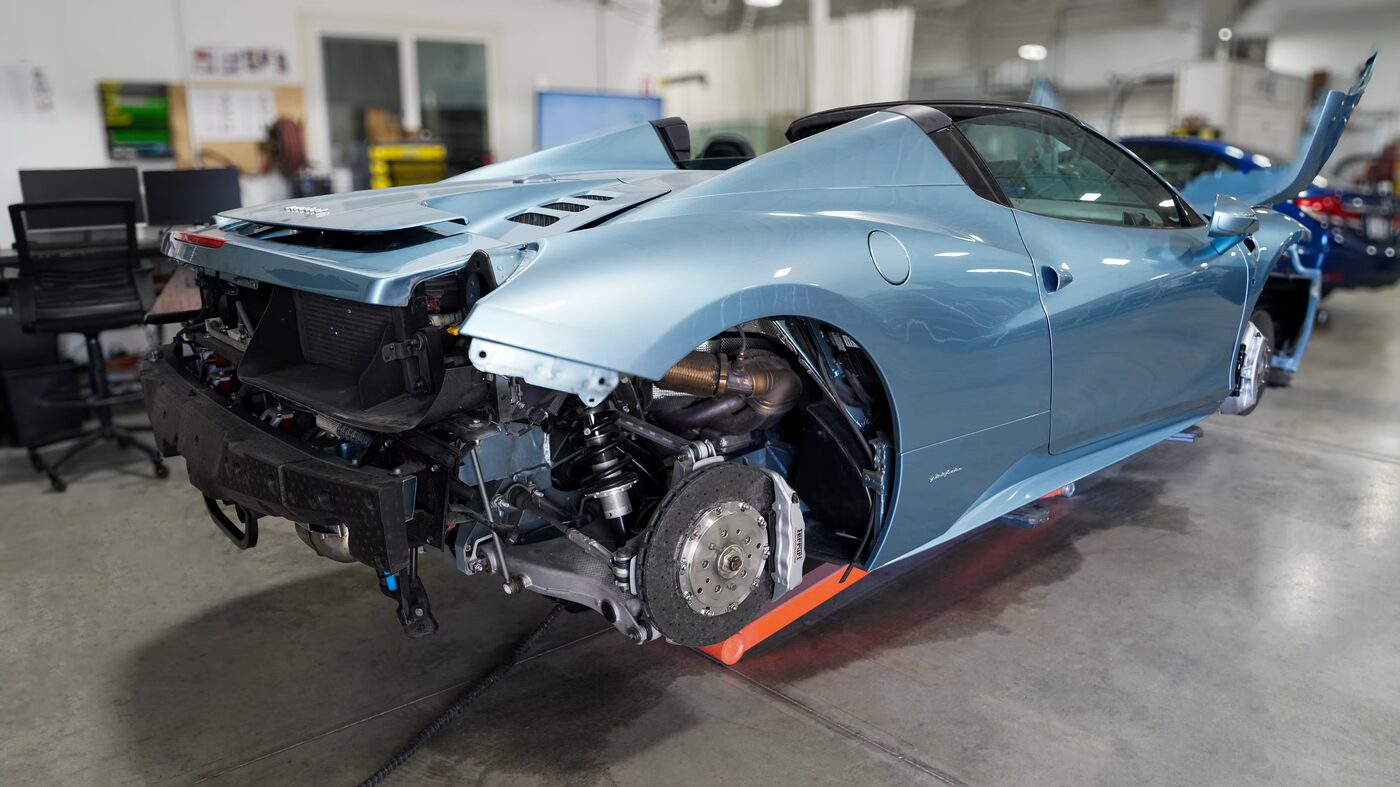
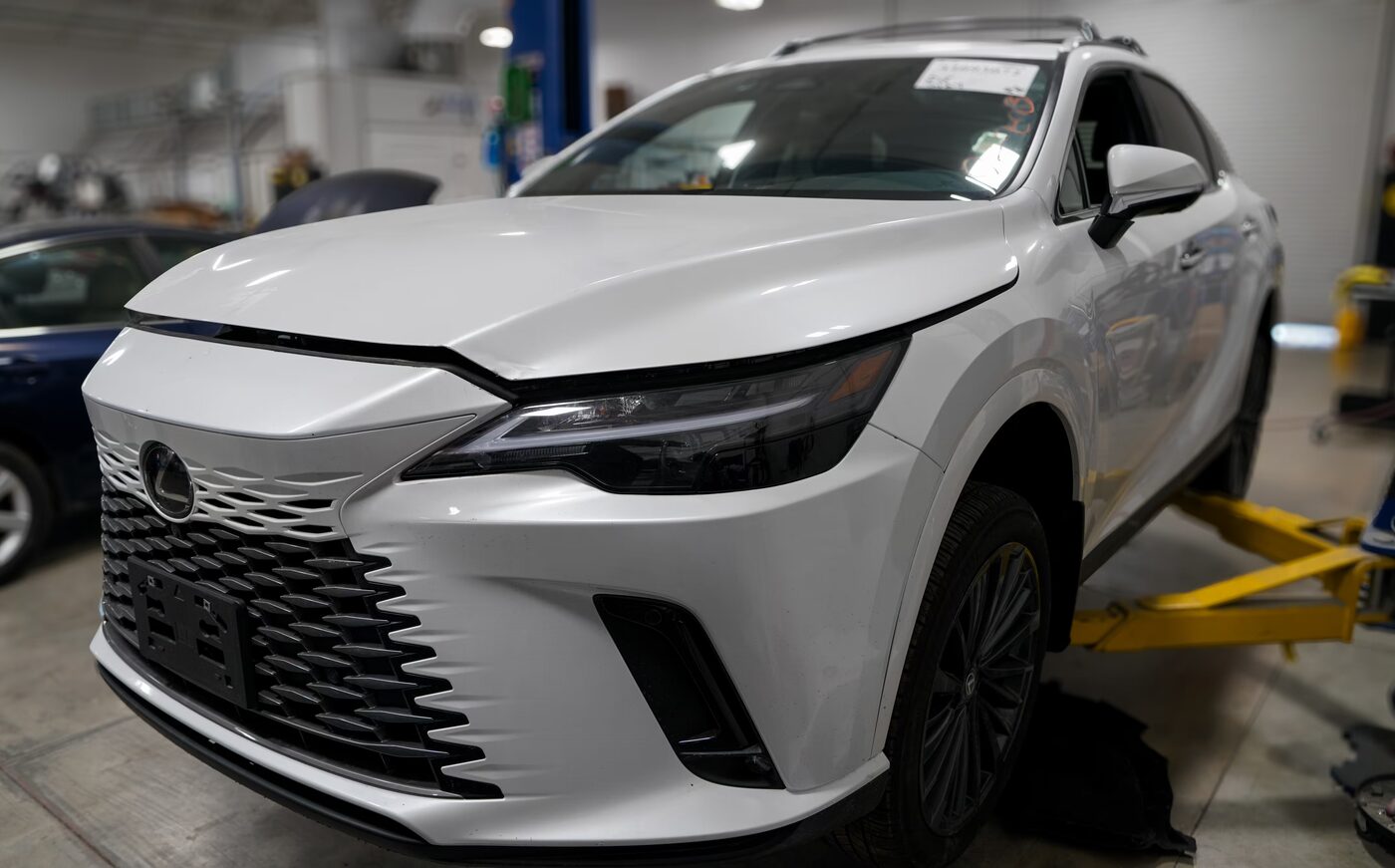
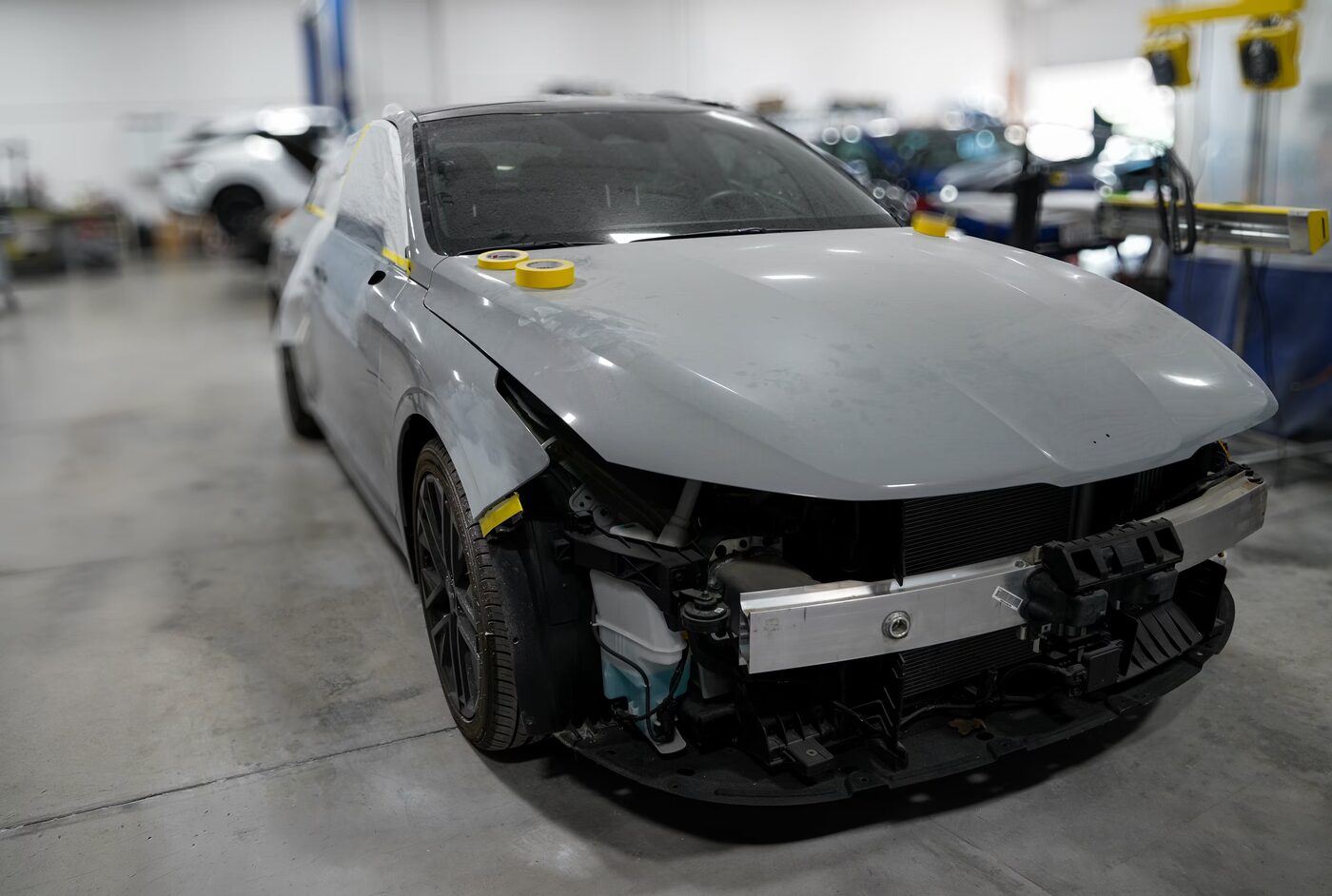
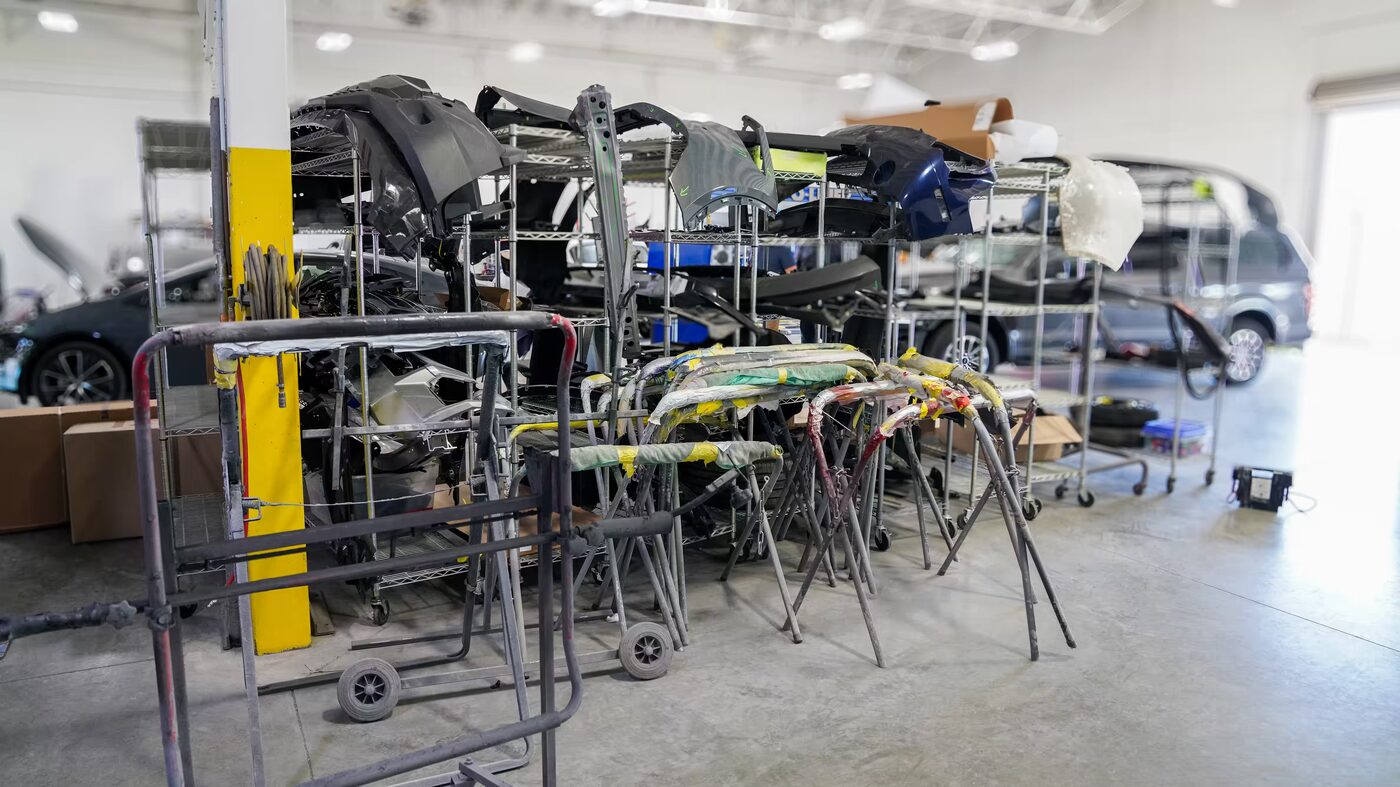
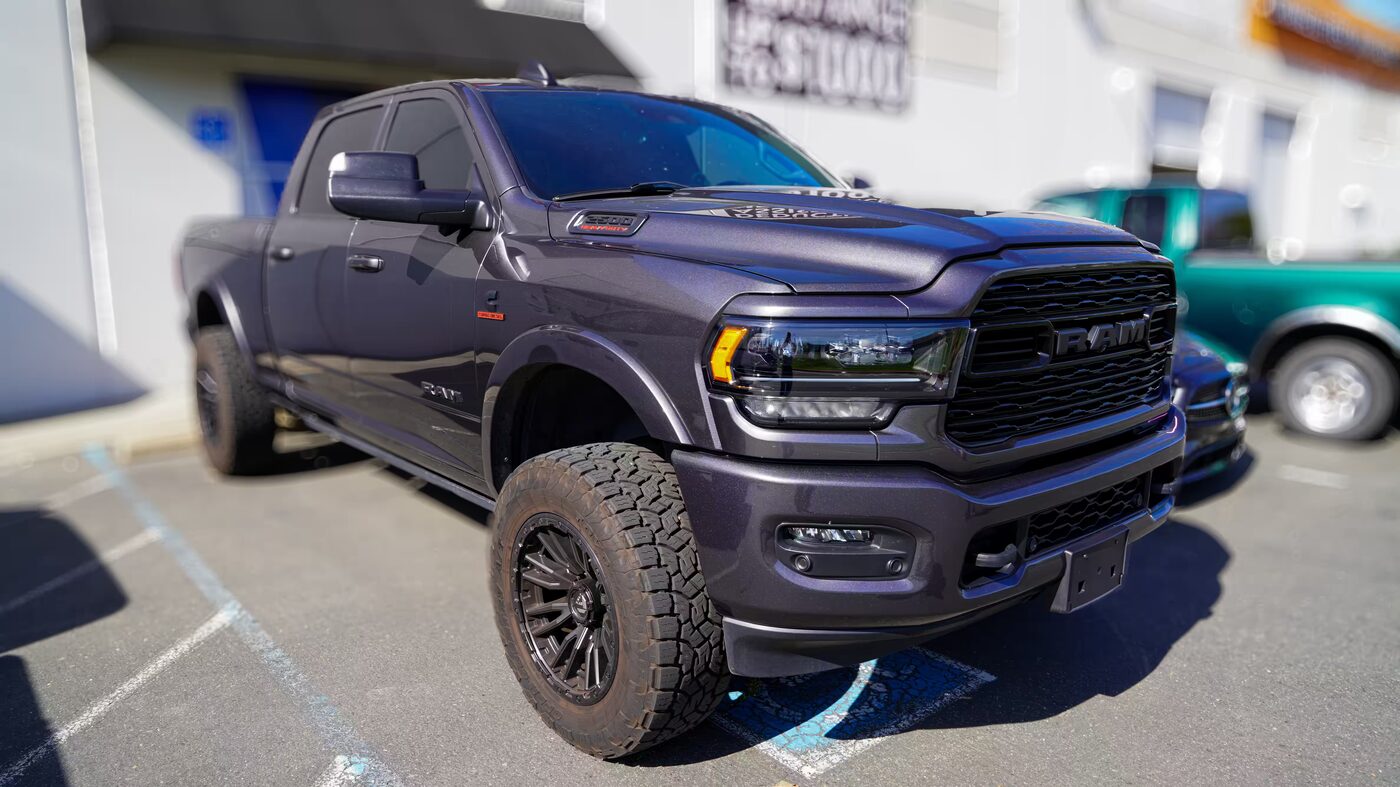
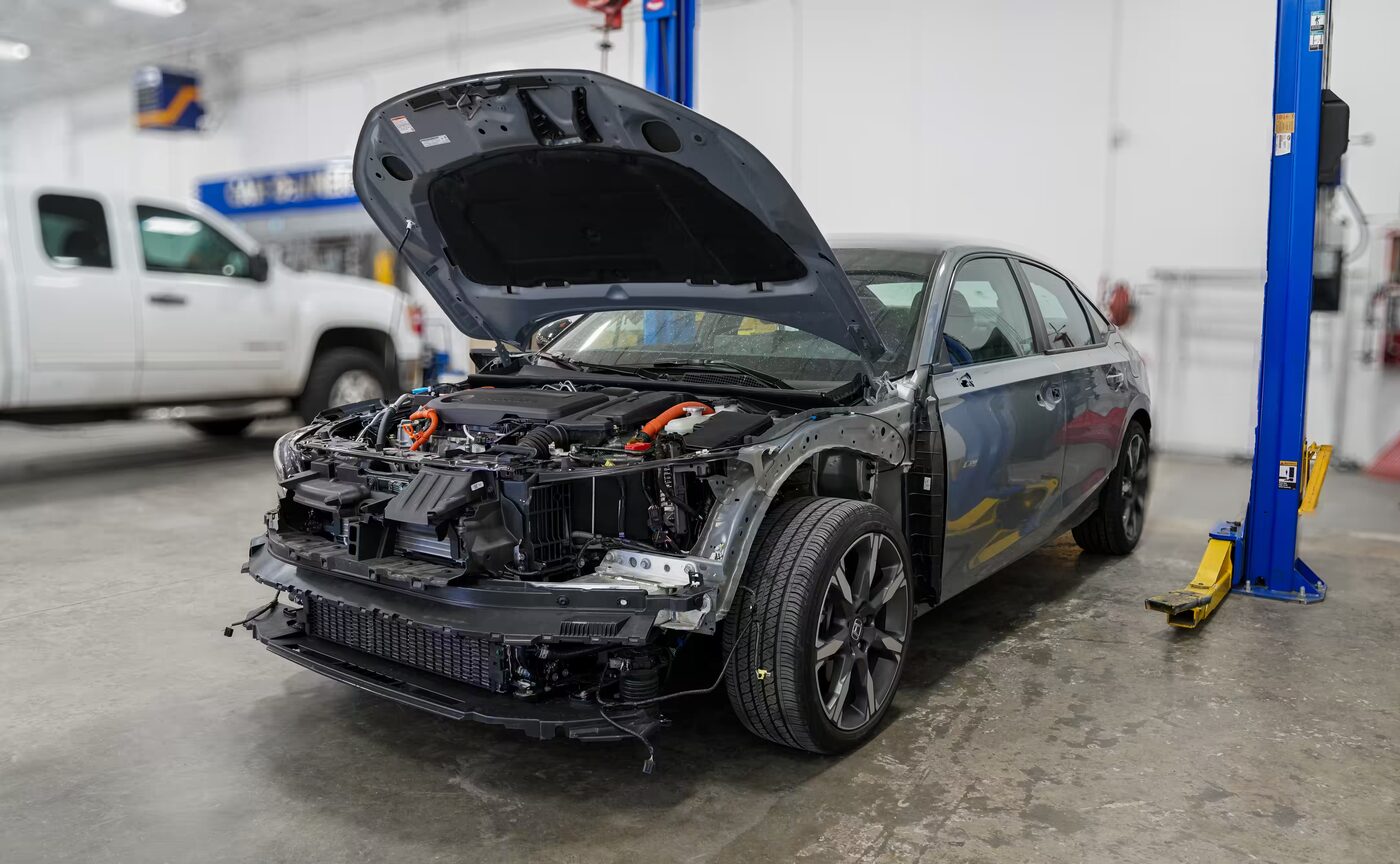
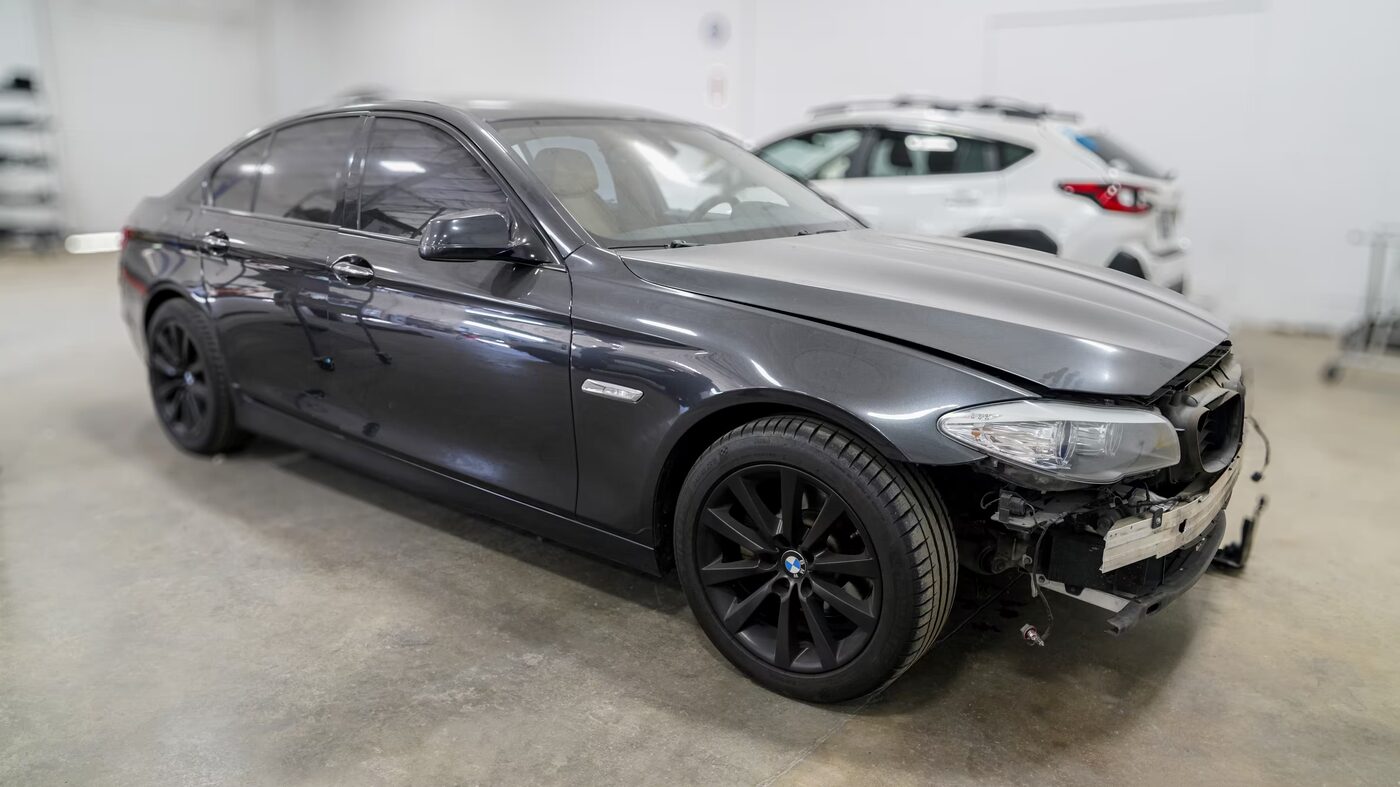
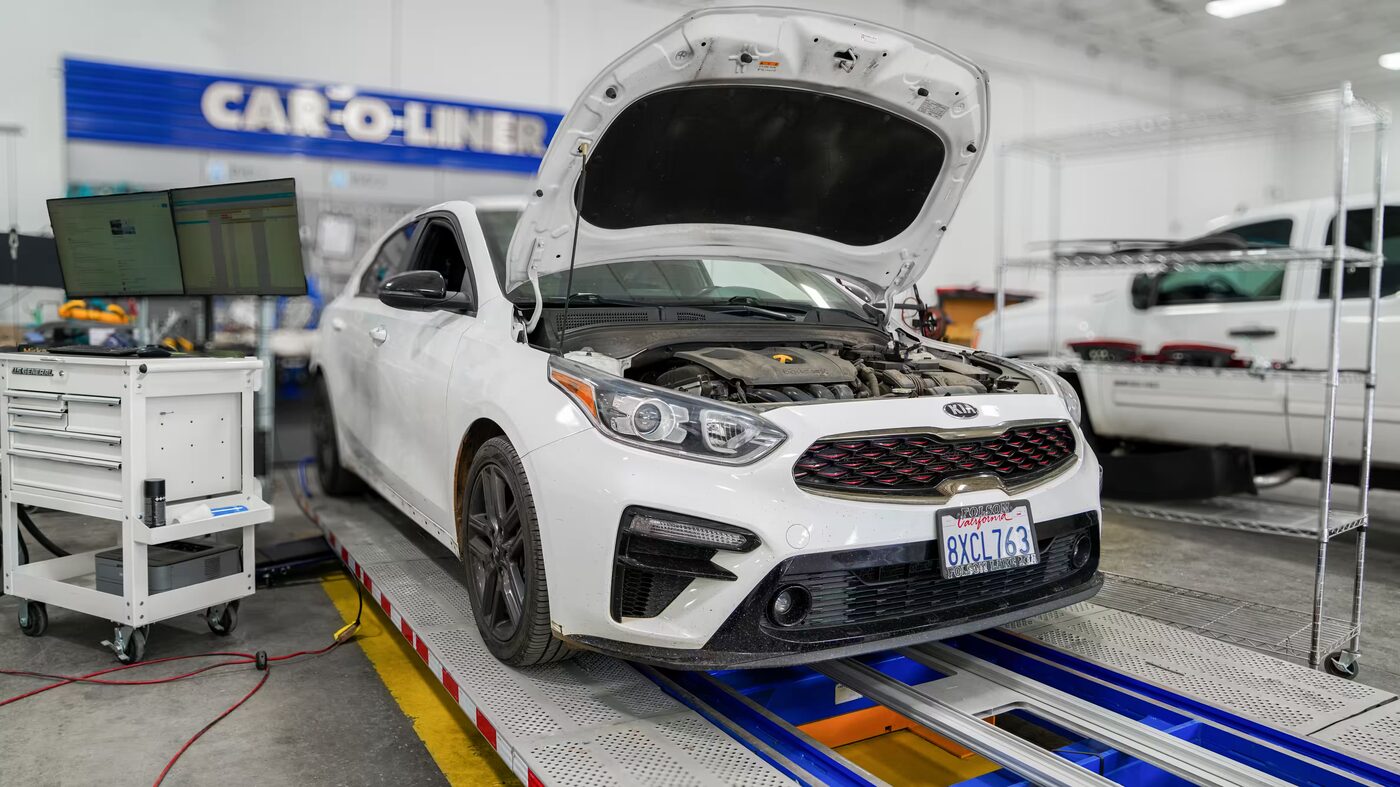
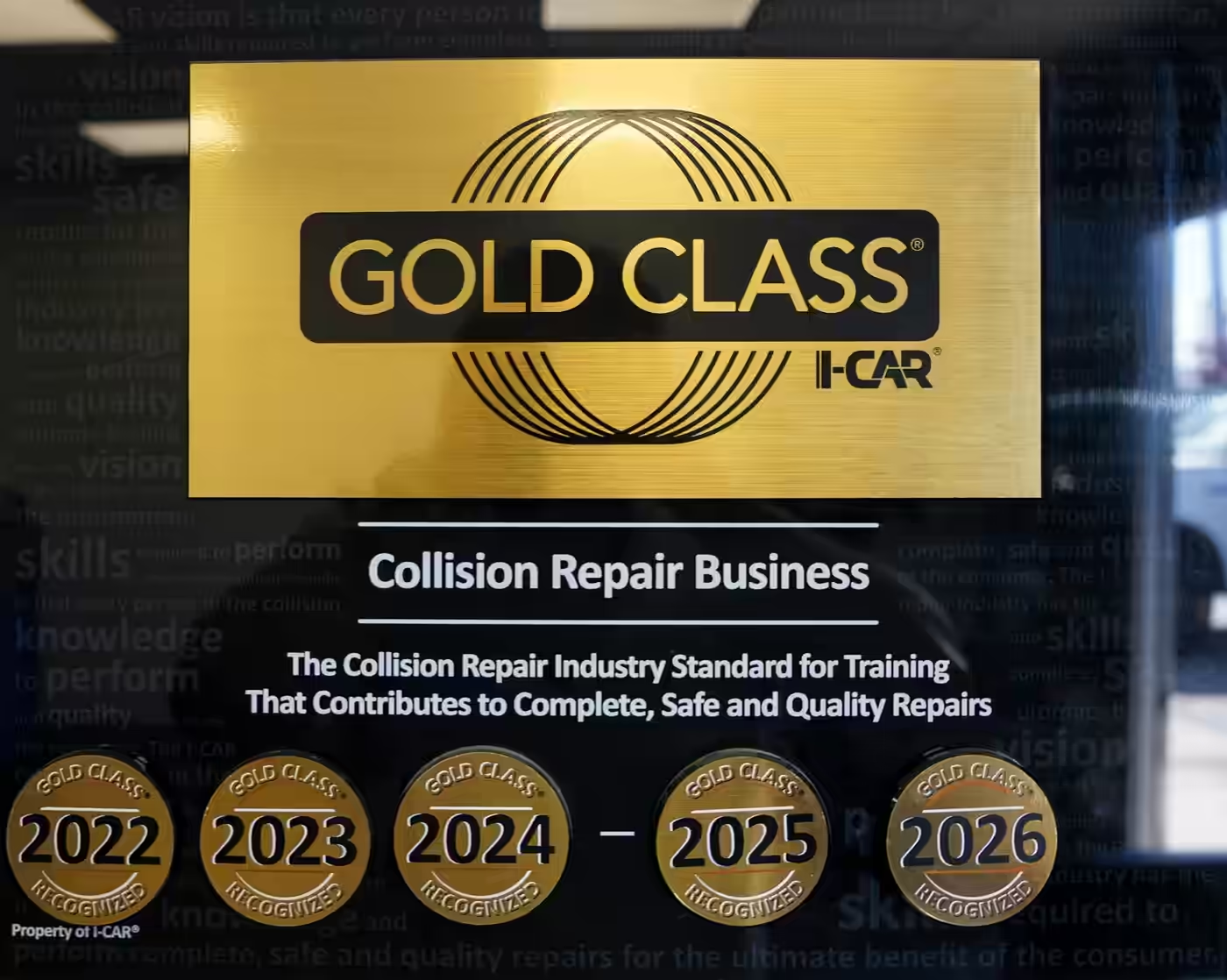

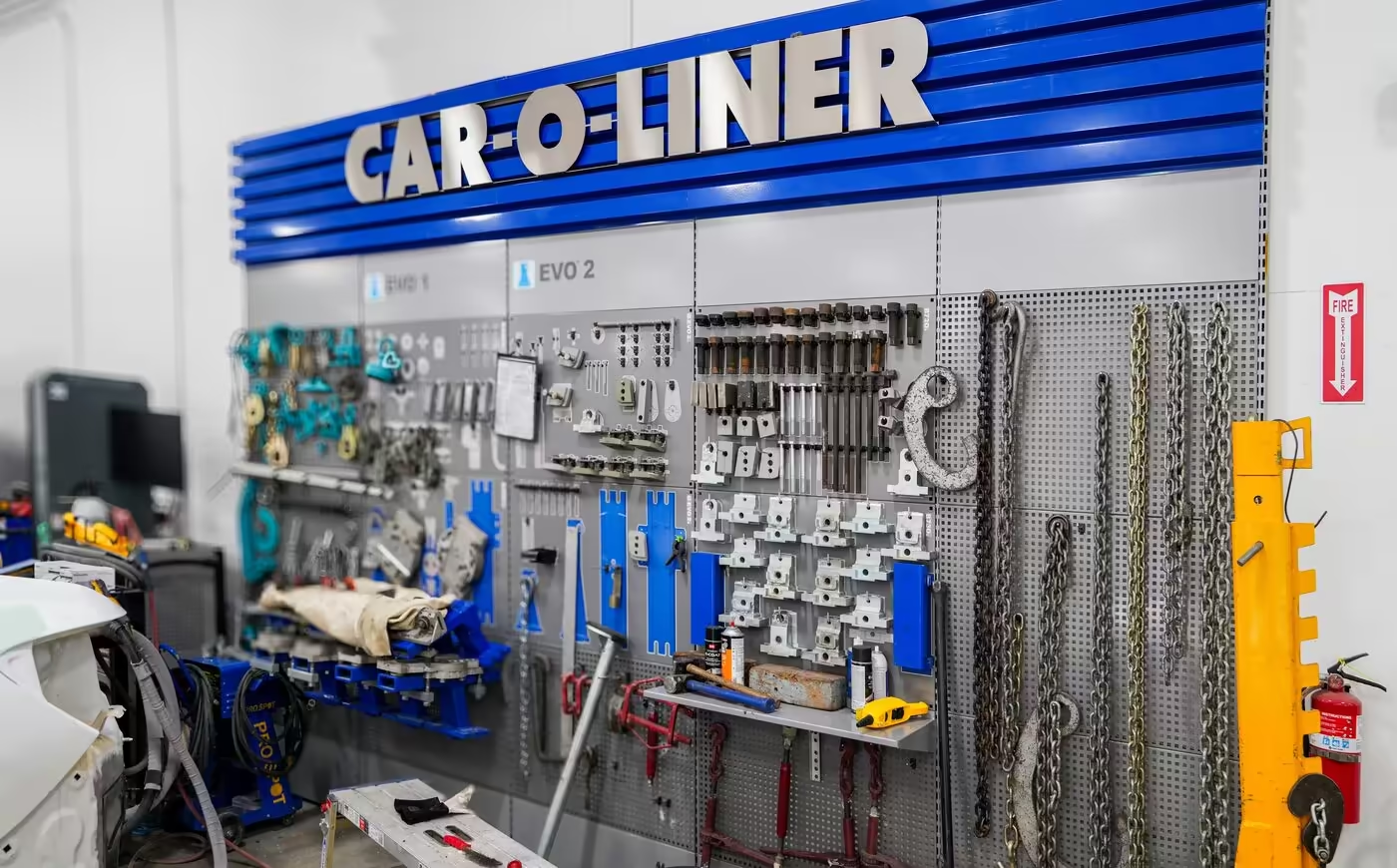
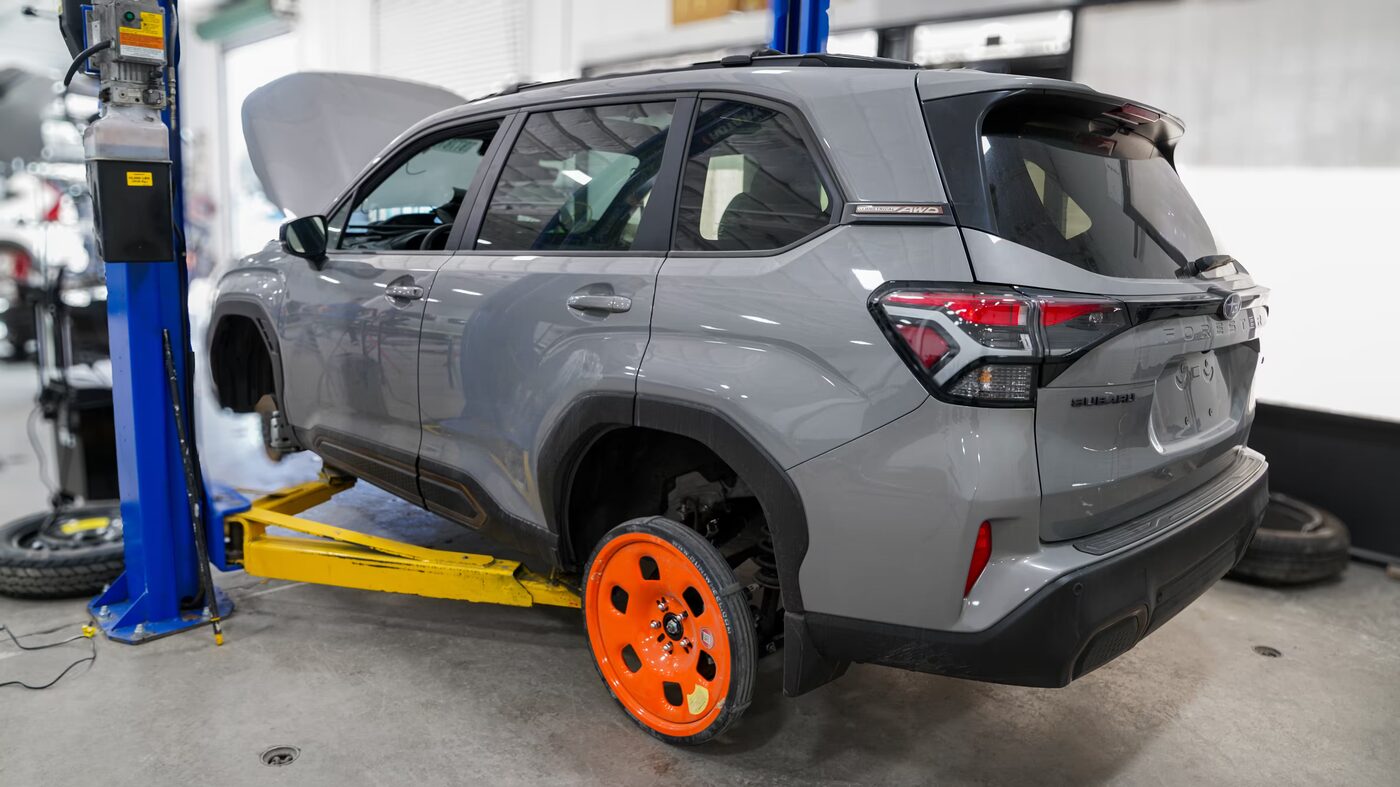
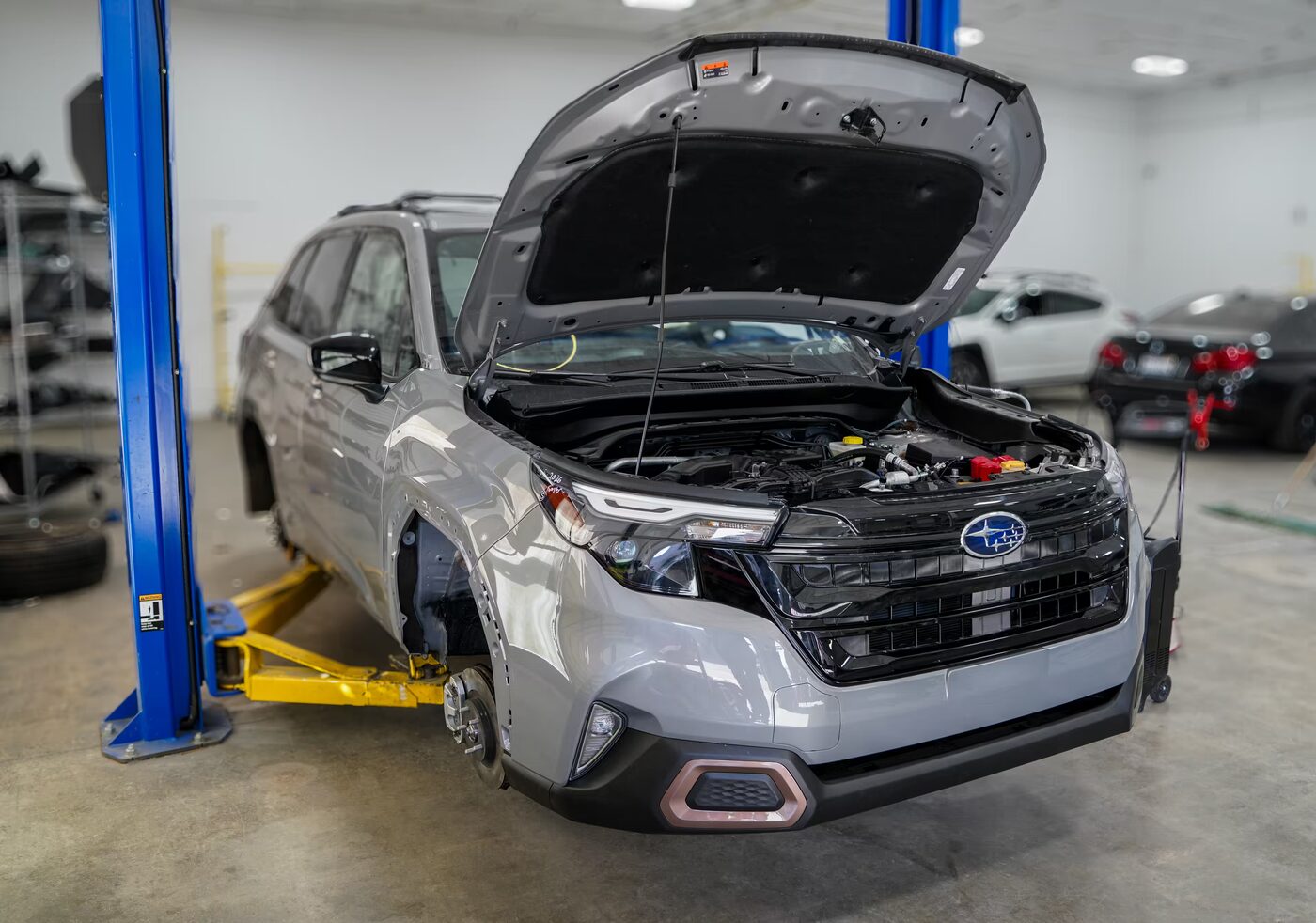
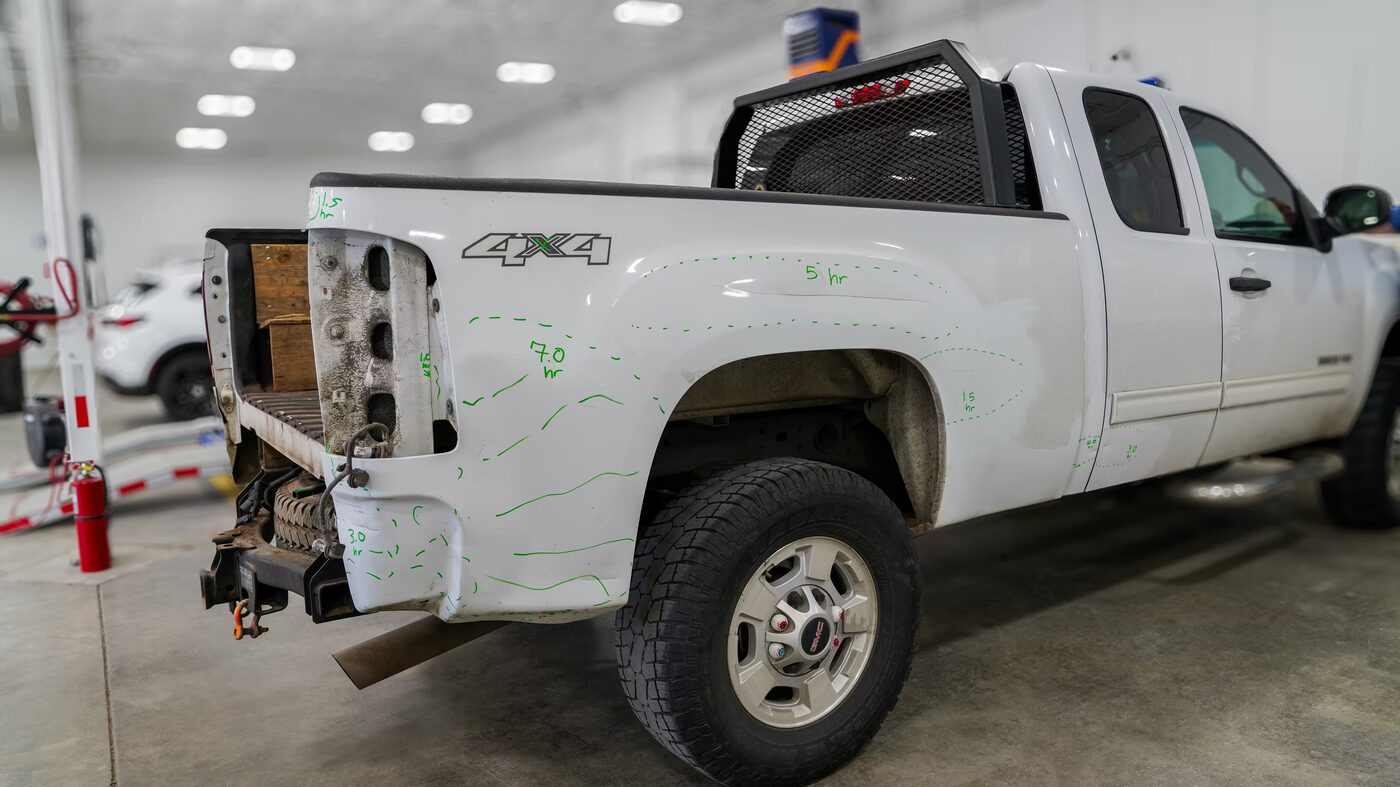
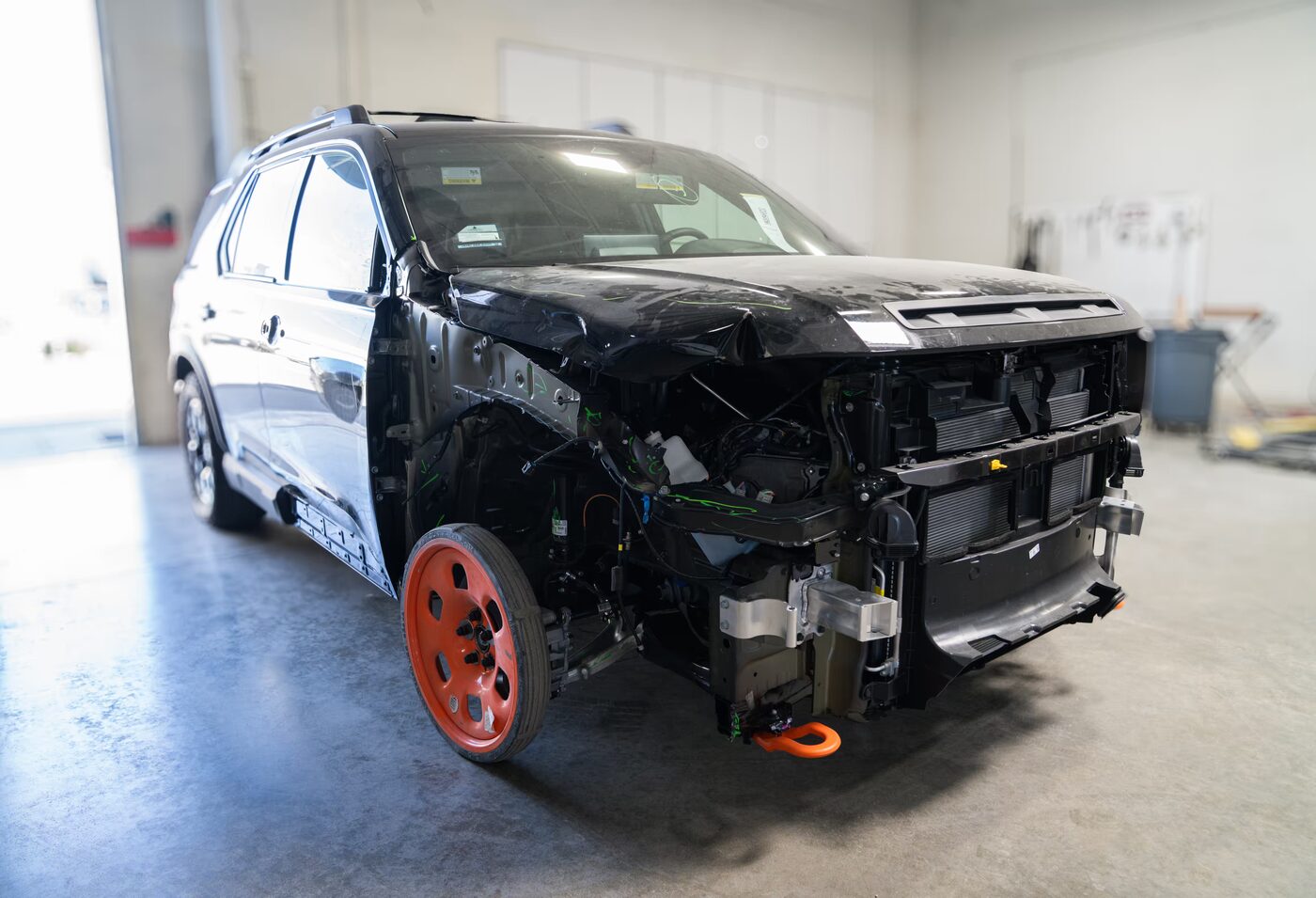
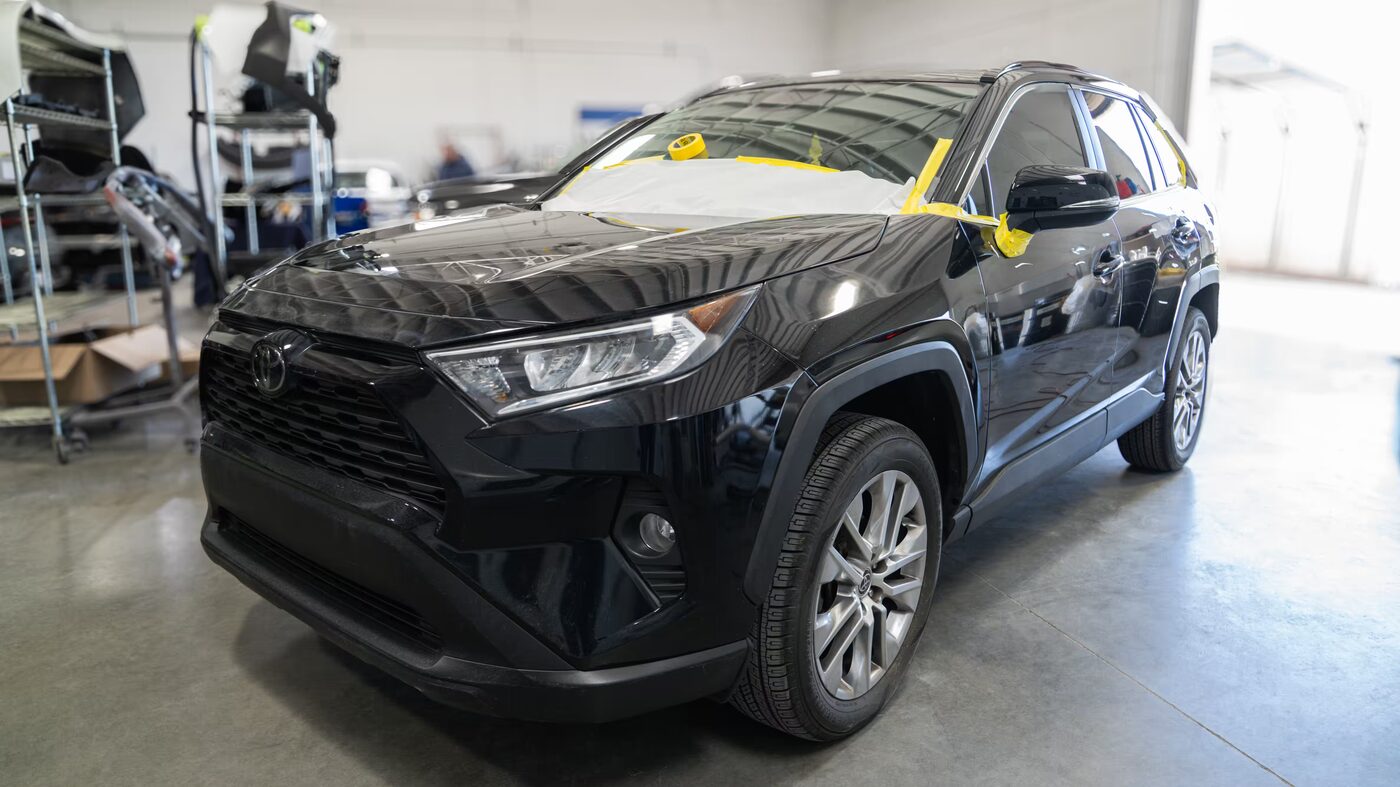
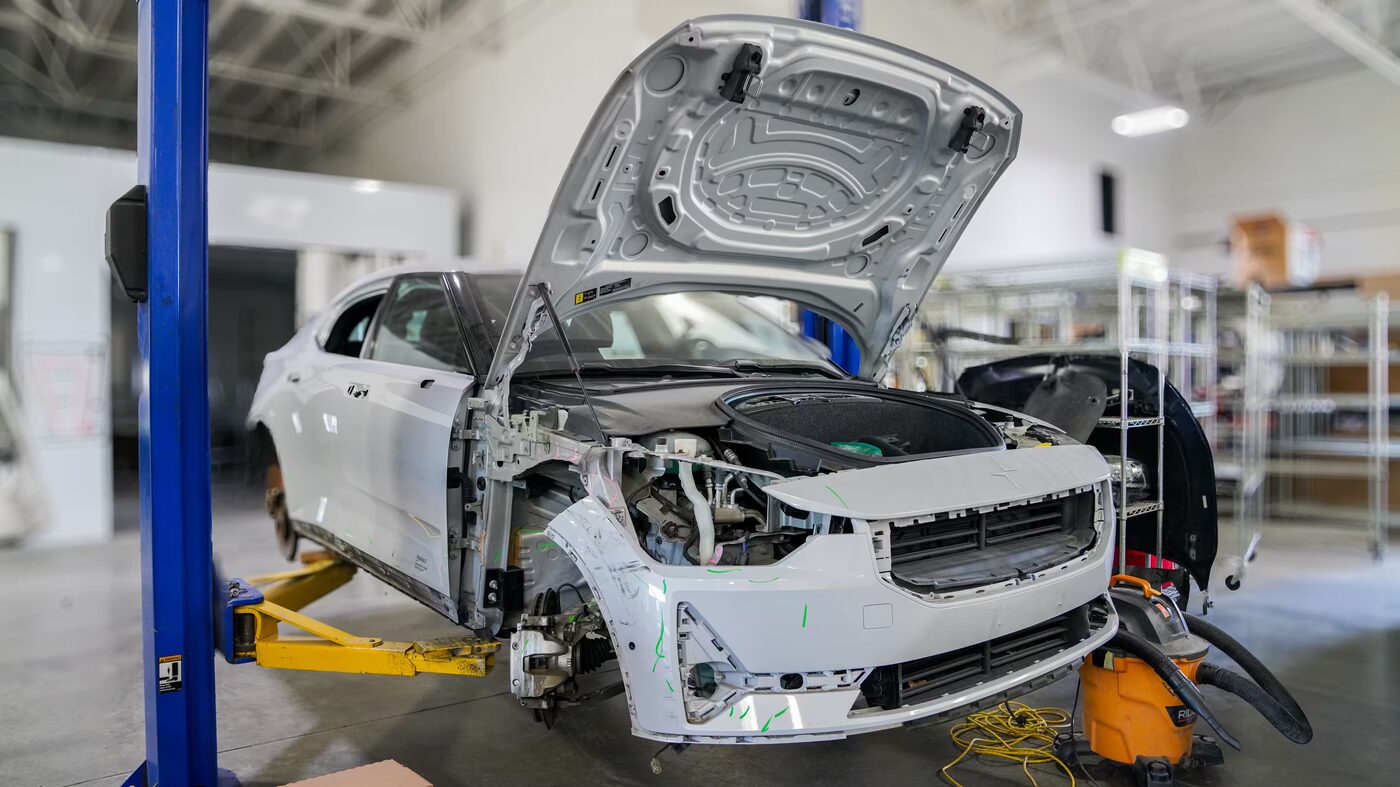
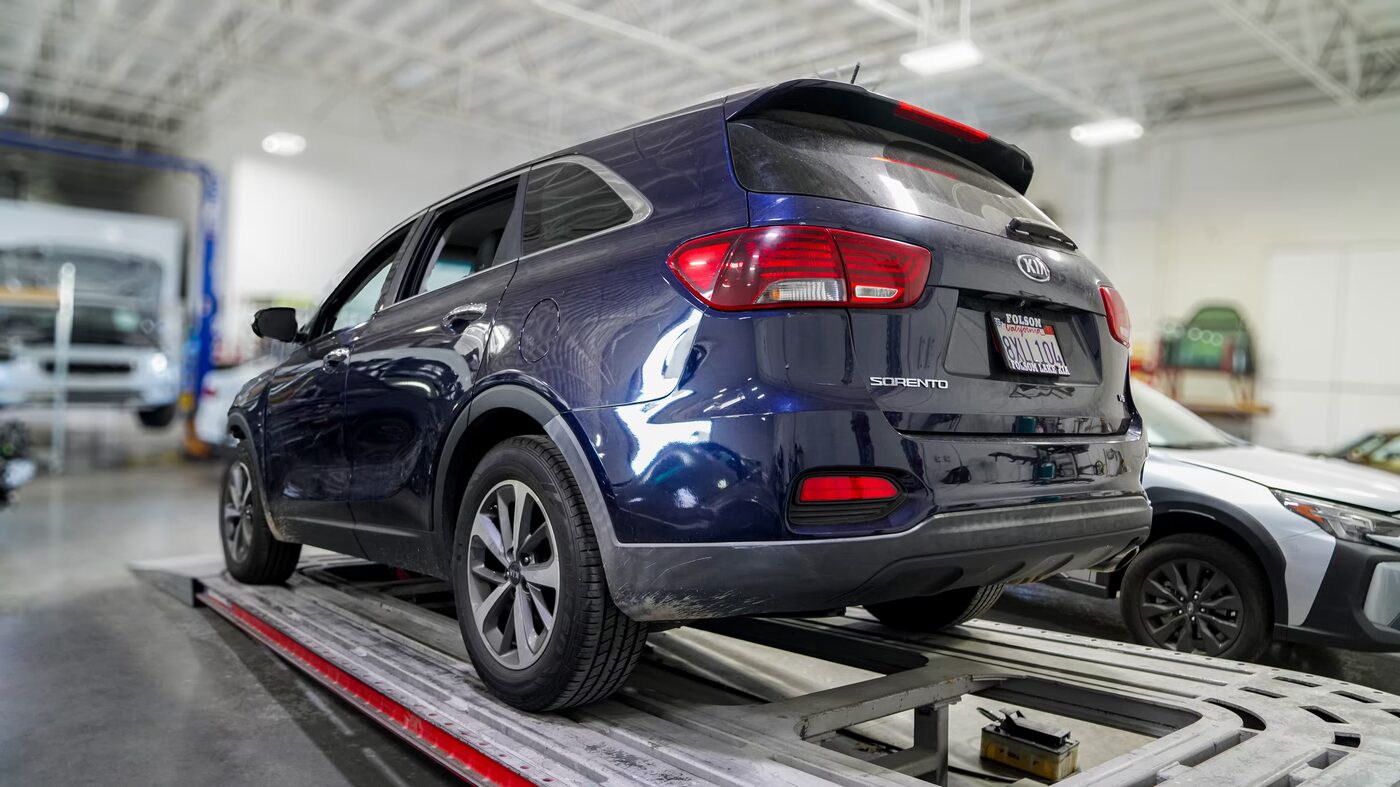

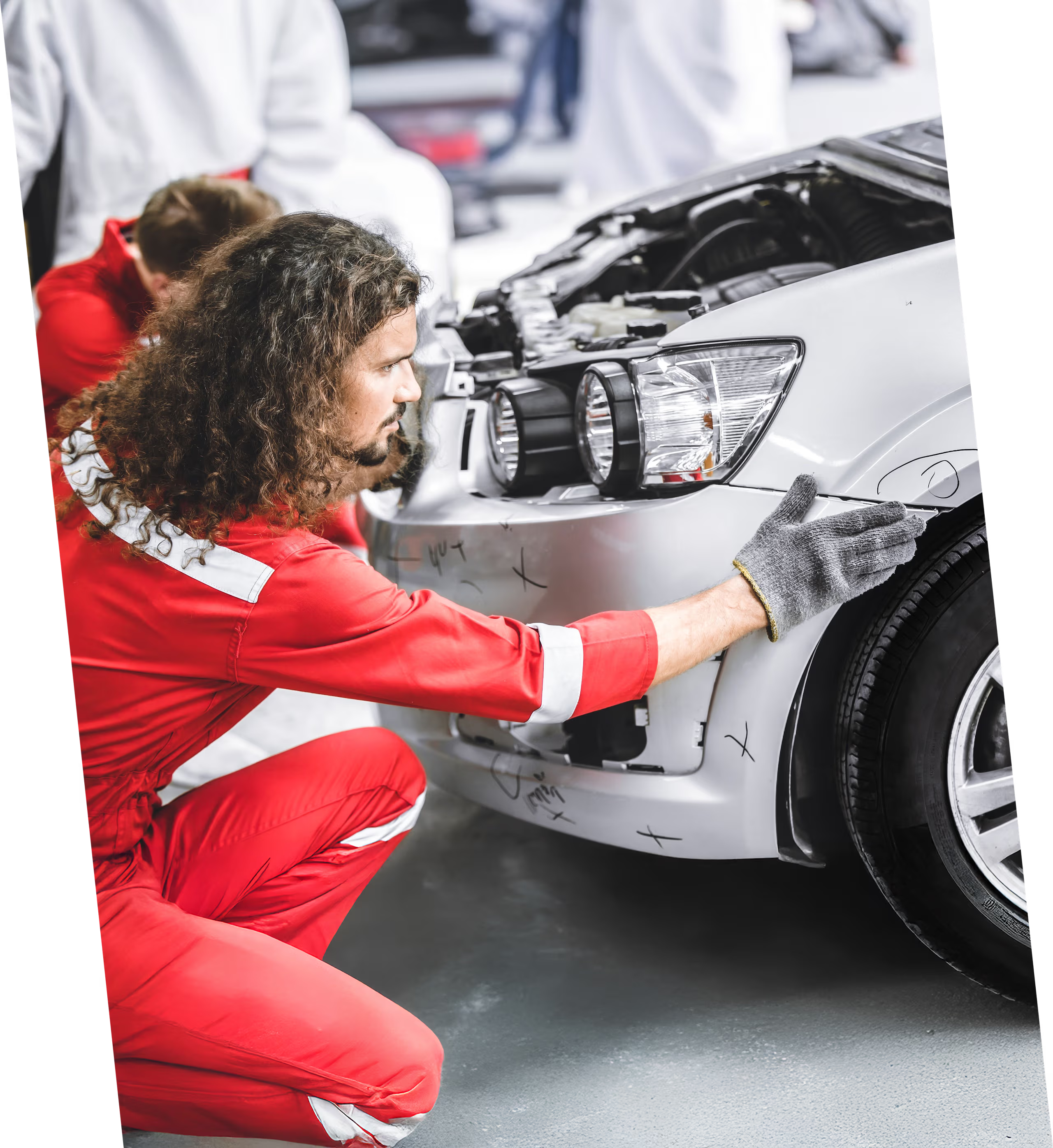
Frame damage affects how safely your car drives, so we never guess. Our certified technicians measure, straighten, and re-check every repair, then road-test your vehicle before handing back the keys.

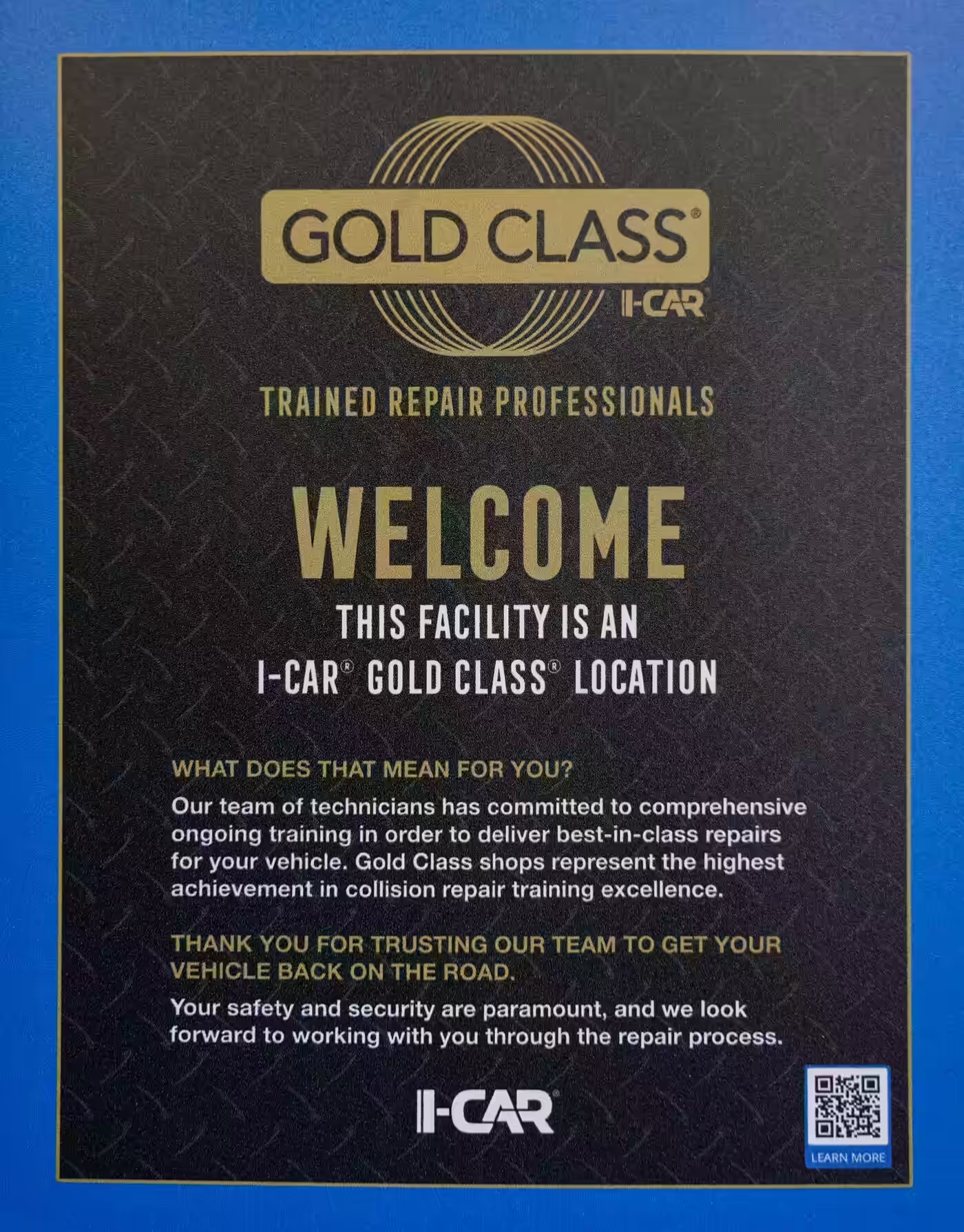
Our technicians bring 10+ years of hands-on frame and structural work, measuring every repair against factory specifications.

Our technicians bring 10+ years of hands-on frame and structural work, measuring every repair against factory specifications.


At Pro Collision Center, we believe every vehicle deserves a second chance. Founded on integrity, craftsmanship, and care, we’ve built a reputation for delivering high-quality collision repairs and exceptional customer service — one car at a time.

Pro Collision Center proudly serves Sacramento and the surrounding communities with expert collision repair and premium auto body services from our Sacramento North East shop.
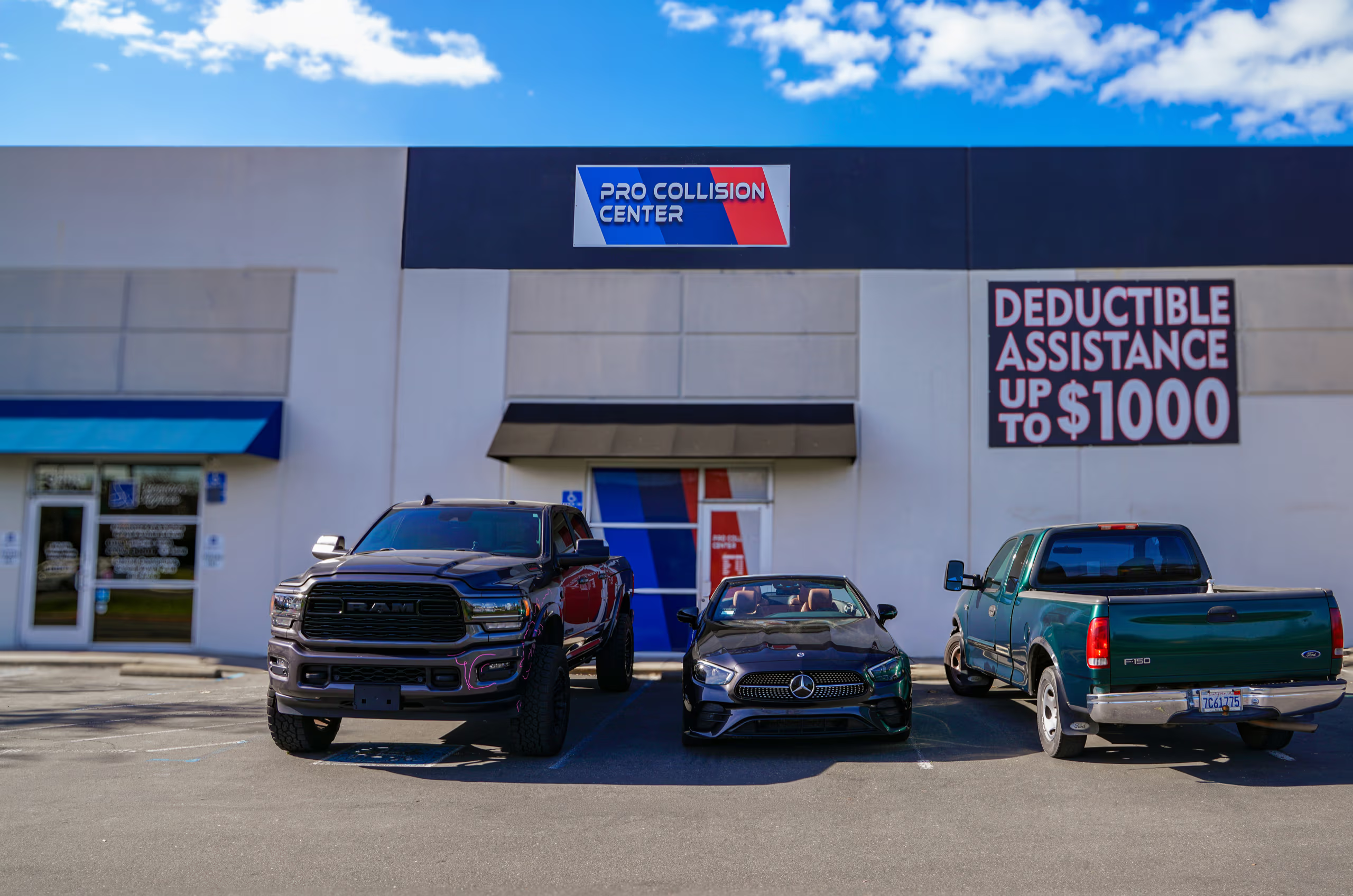
Expert collision repair in Sacramento North East specializing in insurance claims, structural repairs, and professional auto body restoration.



Reviews
Very detailed and professional

Great price, professional, and timely. Thanks guys.

The level of service and skill at Procolor is always exceptional as they go above and beyond to make sure your car gets fixed perfectly in a timely manner.

Quick friendly and knowledgeable

I Had The Best Experience Dealing With This Collision Repair Shop The Whole Team Hear Was Wonderful From The Front Desk She’s Very Professional And Courteous To The Estimate People All The Way Up To The Top Management. During This Stressful Time They Helped Made The Process Go Better. Thank You ProColor Collision North East!!! They Are Truly The Best!!!

Having been in an accident is never easy, but the staff and the excellent body work that Pro Color Collision completed on my car was exceptional. I have never had such a quick and easy process in getting my car repaired. Mimi and Nicole were awesome they made the experience even better. I would highly recommend Pro Color Collision for quality work and extremely friend and helpful staff.

The folks at ProColor were very helpful and friendly! Mimi and Nicole were very nice :)

I had such a great experience with ProColor Collision they make a great job with my car. And also the front desk girl and Claudia were so kind and friendly. Thank you so much!

Quick 🙌🏼🙌🏼 and Claudia is very nice.

Very good company and friendly employees. Quick real estimate and fast professional job done. Recommend to everyone who wants their car to look beautiful.

I have used ProColor Collision on several occasions. They have always been professional and helpful, keeping me up to date with how things are going.

Everyone was very pleasant and professional. I would definitely recommend ProColor Collision when in need of auto body repair. Wow‼️❤️👍

ProColor Collision did a great job on my car. The staff was professional, kept me informed, and completed the repairs on time. My car looks like new. Highly recommend for quality collision repair.

The team at this location is outstanding! They kept me informed and updated every step of the way, going above and beyond throughout the entire process. I’m beyond satisfied with their service and will definitely return for any future body work needs. I highly recommend them to anyone! They even took the extra step of washing and cleaning both the inside and outside of my car which was so nice of them! My car looked amazing after and like brand new again! Thank you guys so much!

Up Front And Detailed About Repairing Looks Over Project With Well Trained Eye What Got Me Was He Sent His Body Man Out To Look Over Project And Got His Opinion

Nice helpful stuff


What Is Auto Body Frame Repair?
Auto body frame repair addresses distortion in the vehicle's load-bearing structure. Technicians measure the damaged areas against manufacturer reference points before deciding on approved correction, section replacement or joining work. Some structures permit controlled straightening, while others require replacement of damaged parts. Corrosion protection and checks of alignment and associated systems follow the structural operations. A visually straight panel is not sufficient evidence that the supporting structure has been restored correctly.
Who Needs Vehicle Structural Restoration?
Structural assessment is important after substantial impacts and whenever the vehicle behaves or fits differently afterward. Uneven openings, a door that binds or persistent alignment changes can justify further inspection. Suspension mounting concerns and visible deformation around inner panels are also relevant. These signs do not prove that a frame rail must be replaced, but they should not be dismissed as ordinary cosmetic damage. Describe the impact and symptoms so the facility can plan appropriate measurements and safe vehicle handling.
What Frame and Unibody Problems Can Structural Repairs Correct?
Structural work can address distorted frame rails, damaged unibody sections and displaced mounting locations where manufacturer procedures permit repair or replacement. Separated or damaged joints may need approved joining operations rather than surface reshaping. The plan can also address misalignment that prevents adjacent panels or suspension components from fitting correctly. Material restrictions determine whether a section can be straightened, sectioned or must be replaced as an assembly. Reinforcement is not added arbitrarily; the repaired structure must follow its specified design.
How Do Technicians Diagnose frame misalignment and concealed structural damage?
Computerized measurement compares reference locations on the vehicle with the correct body dimensions. Technicians combine those readings with inspection of seams, weld zones, suspension supports and visible deformation. I-CAR specialist Scott Kaboos, an ASE Master Collision technician, stresses using sound reference areas when evaluating structural displacement. Alignment results can support the diagnosis but cannot substitute for a structural measurement where one is required. The findings establish the repair boundaries and provide a baseline for later verification.
How Do Computerized Measurements and OEM Structural Procedures Affect Repair Quality?
Measurement tells the technician where the structure differs from its specification; the OEM procedure explains what can be done about it. The permitted method depends on the material, joint location and component design, including restrictions on pulling or heat. Approved replacement sections, welding consumables, adhesives, fasteners and corrosion products must match the operation being performed. Protective coatings are restored in areas disturbed by repair. Final measurements then show whether the specified geometry has been achieved, rather than relying on the appearance of the outer panels.
What Should You Consider Before Choosing a Structural Repair Facility?
Ask a structural facility how it will document the damage and verify its correction. Relevant questions cover measurement equipment, technician training, access to current manufacturer procedures and the proposed replacement or joining methods. Insurer coordination should include the evidence supporting those operations. California's accepted trade standards provide an official reference for the role of repair specifications. Review the estimate and warranty together, particularly where structural work and related suspension or electronic checks have separate requirements.
What Is Included in Frame Straightening and Structural Repair?
The authorized structural scope can include damage mapping, computerized measurements and access to the affected sections. Technicians then carry out permitted correction or replacement and the necessary joining work. Disturbed corrosion protection is restored before the vehicle is reassembled. Alignment and related systems are checked where the structural repair affects them. The repair record should identify the work and verification performed rather than using frame straightening as an unexplained single line item.
How Can You Schedule Auto Body Structural Work in Sacramento?
When requesting structural work in Sacramento, describe the collision and any changes in steering, wheel position or panel openings. Send existing estimates and damage photos if available, but expect the vehicle to require physical measurement. Pro Collision Center can discuss inspection access and whether towing should be arranged. After assessment, review the proposed structural method, components and associated operations. Authorize the repair once the findings and any insurer decisions affecting your costs are explained.
How Does the Frame and Structural Repair Process Work from Inspection to Final Quality Control?
Structural repair is organized around measurement and the manufacturer's permitted repair method.
Inspect the impact area and record initial dimensions.
Plan access, disassembly and the applicable structural procedures.
Confirm approvals and source the required replacement materials.
Carry out controlled correction only where allowed, or replace specified sections using approved joining methods.
Remeasure the structure and restore disturbed corrosion protection.
Reassemble, check alignment and complete the necessary final system verification.
Intermediate checks help detect a problem before it affects later installation work. The final geometry and completed repair record are central to the handover.
Why Choose Pro Collision Center for Auto Body Frame Repair in Sacramento?
Pro Collision Center's structural service uses computerized measurement to connect visible collision damage with the vehicle dimensions that need restoration. Our certified technicians combine that equipment with vehicle-specific repair planning and premium materials for the authorized work. Sacramento customers also benefit from our 10+ years of service, experience with 50K+ clients, CSN membership and insurer coordination. We can explain the measurements and completed operations when reviewing the repair. Lifetime workmanship coverage is available during your ownership under the written warranty, whose terms should accompany the structural repair documentation.