

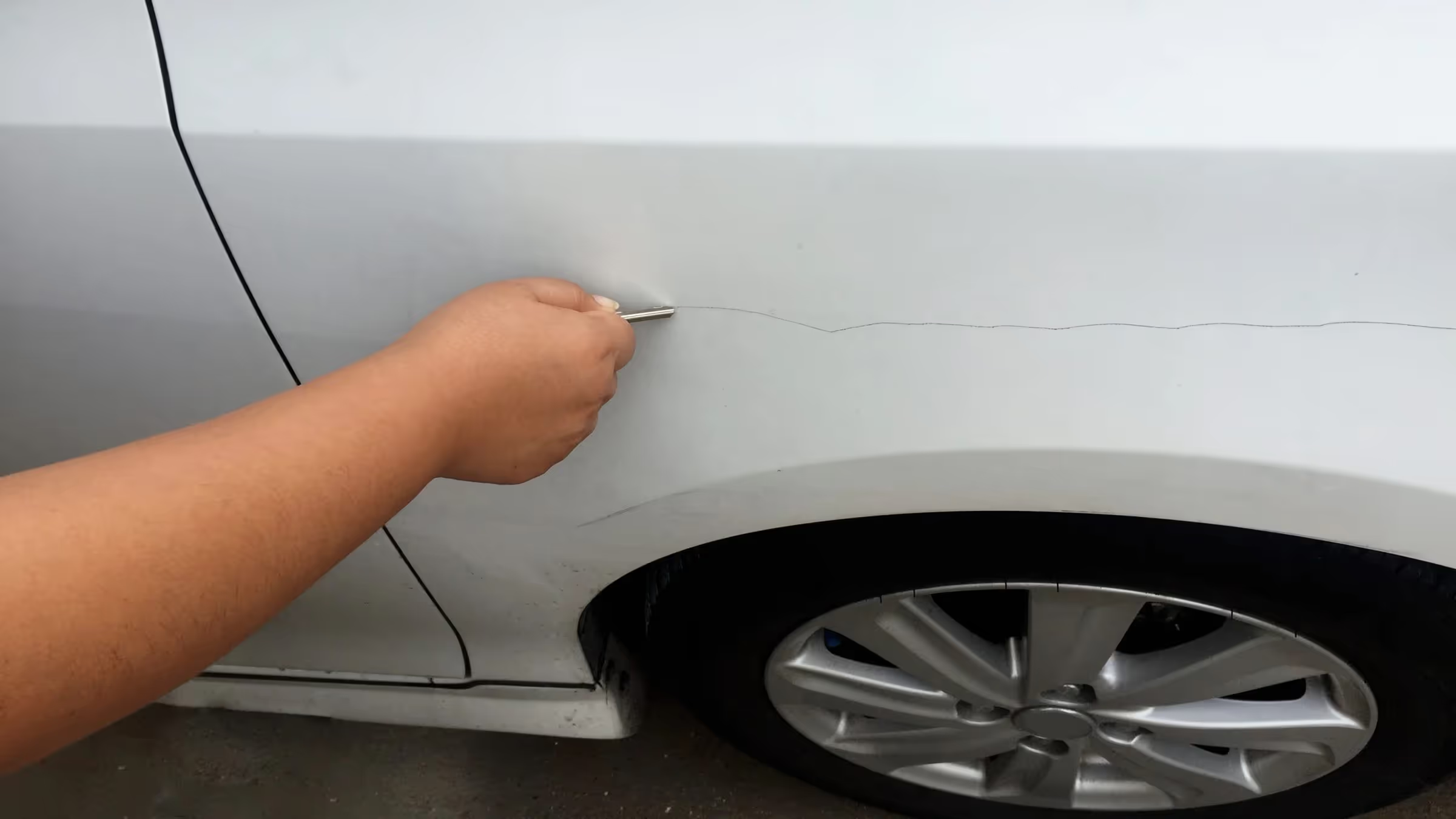

Bumper Scratch Repair in Sacramento
Make Scratches Disappear — The Right Way
Scratches don’t just hurt your vehicle’s appearance — they expose it to rust, wear, and long-term damage. At Pro Collision Center, our paint scratch repair service is designed to be both precise and permanent.
From surface-level swirls to deep clear coat abrasions, our expert refinishers color-match your vehicle’s original paint using high-end digital tools and carefully blend the repair into the surrounding area. Our goal is to make it look like the scratch was never there — and extend the life of your paint.
We only use premium-grade products and apply a fresh layer of clear coat to protect the area from UV and environmental damage.
“At Pro Collision Center, your car’s finish is our reputation.”
Here’s what’s included:
- Scratch assessment and depth analysis
- Professional paint correction or refinishing
- Seamless blending with adjacent panels
- Clear coat sealing for long-term durability
- Paintwork backed by a satisfaction guarantee
A scratch is a small thing that nags at you every time you walk up to the car. We’ll take care of it at our Sacramento North East shop.







YOU CAN SEE

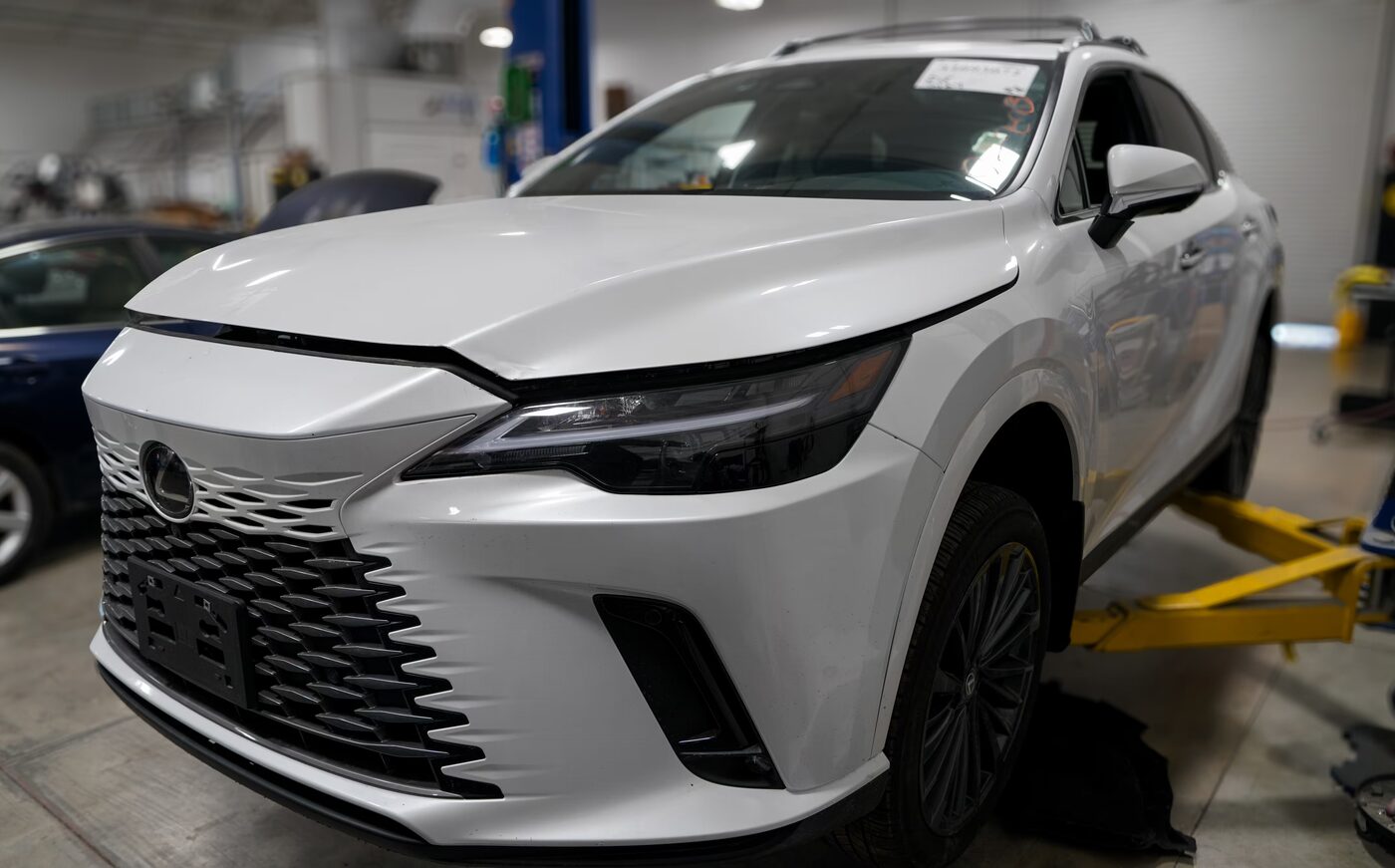
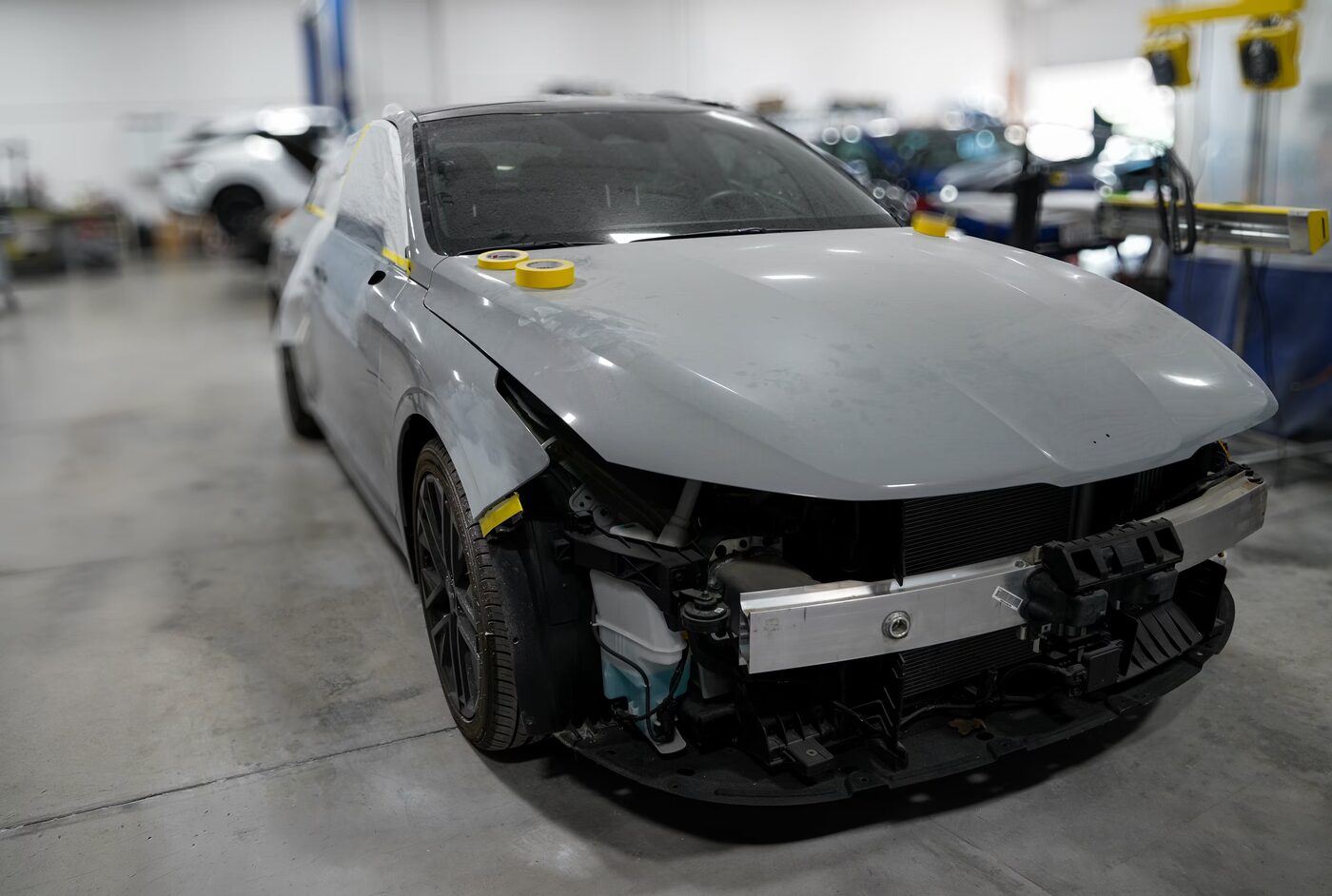
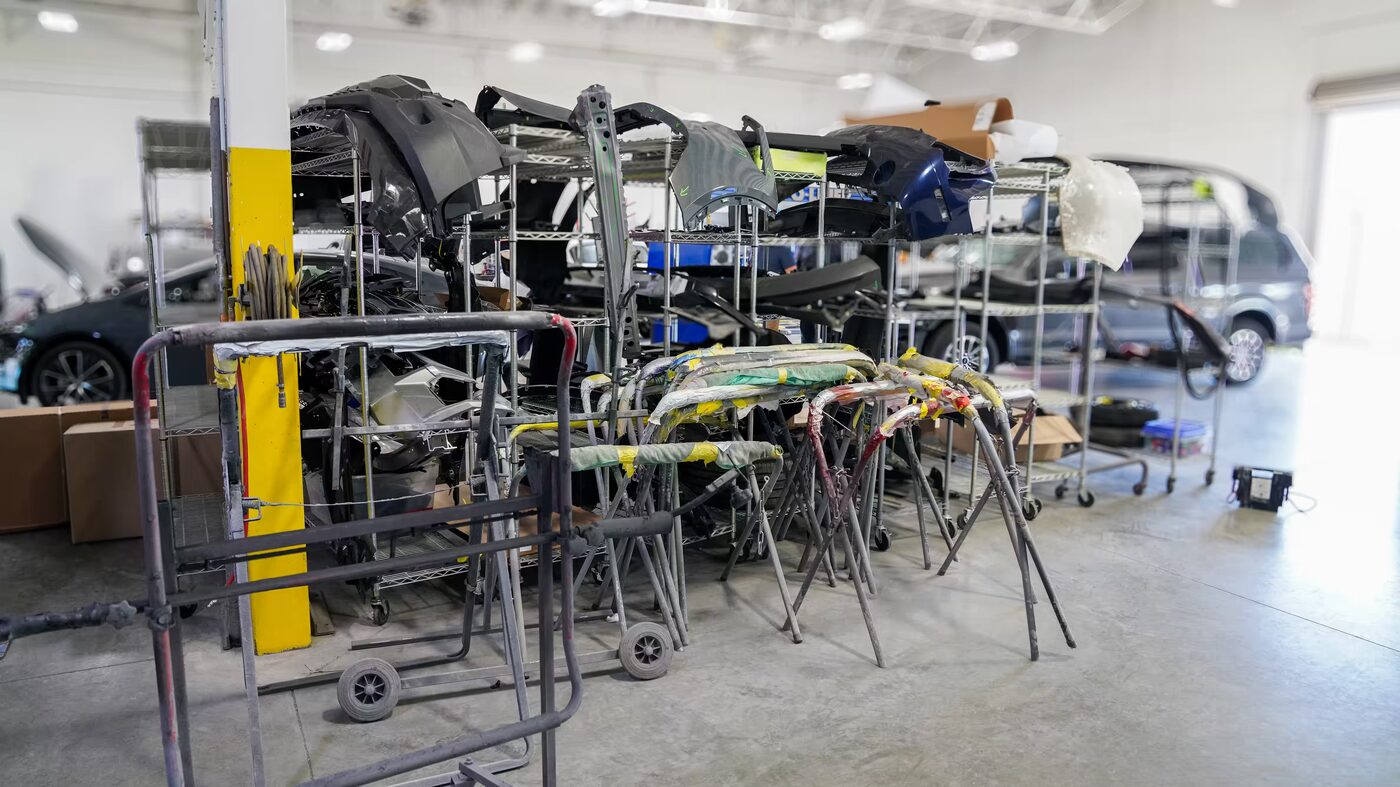
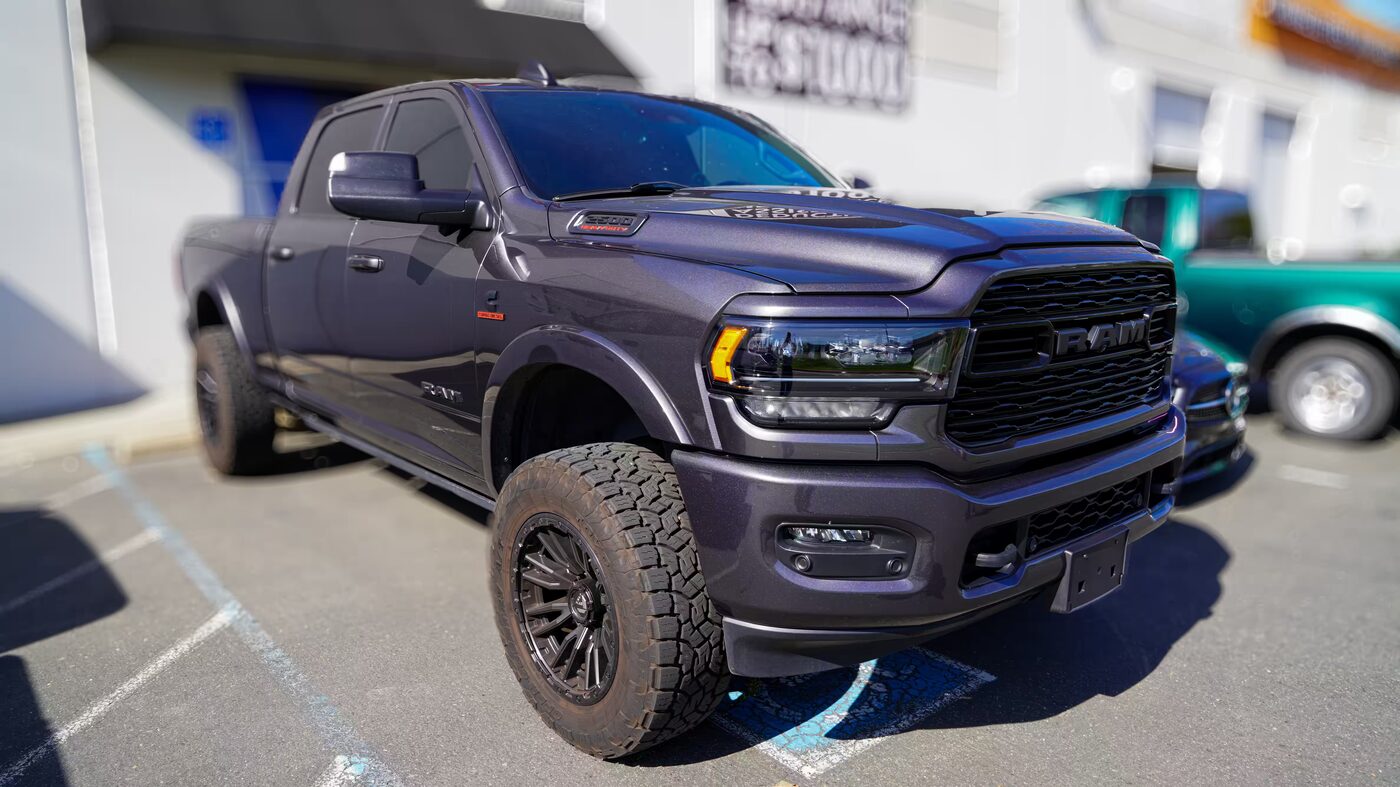
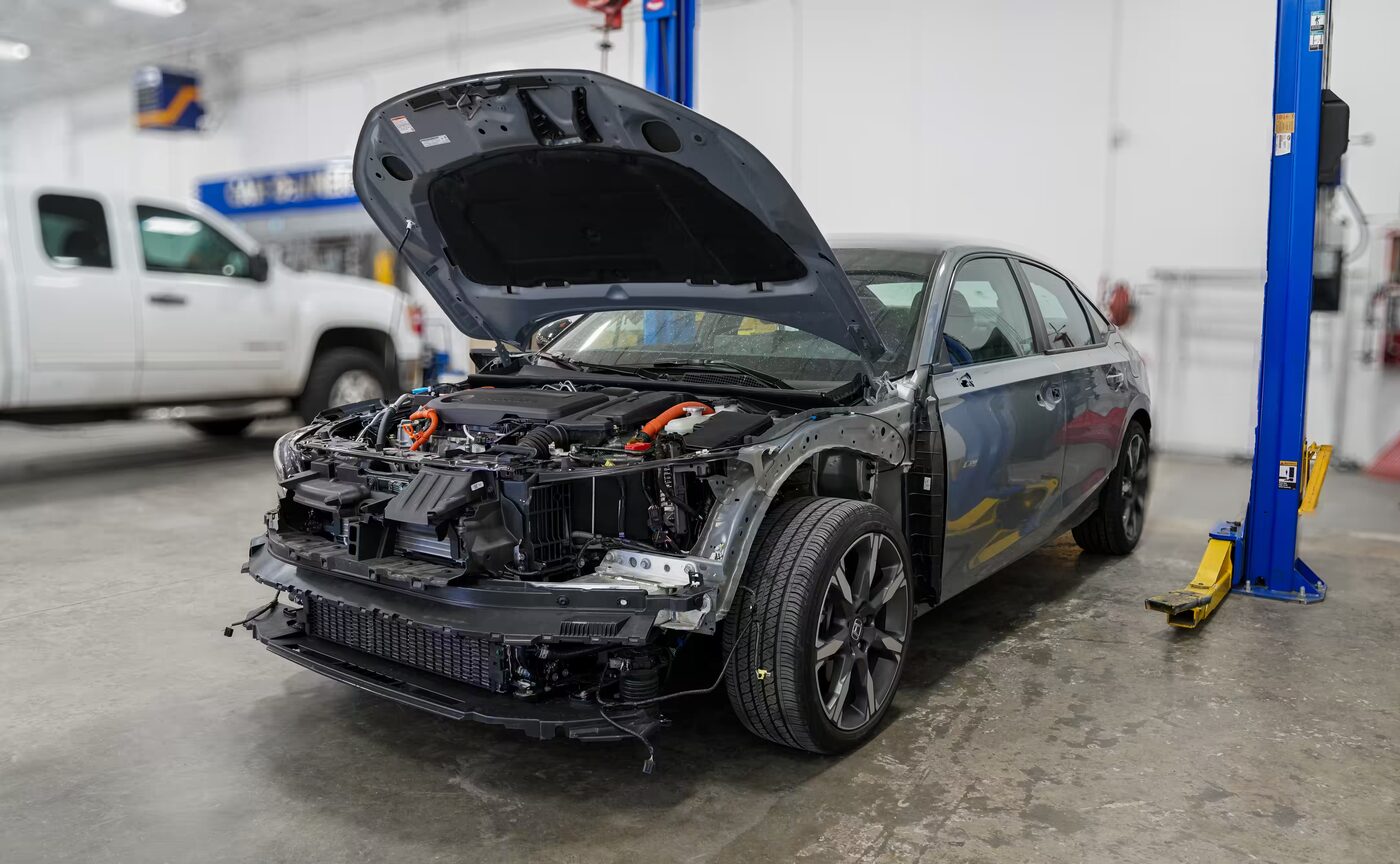
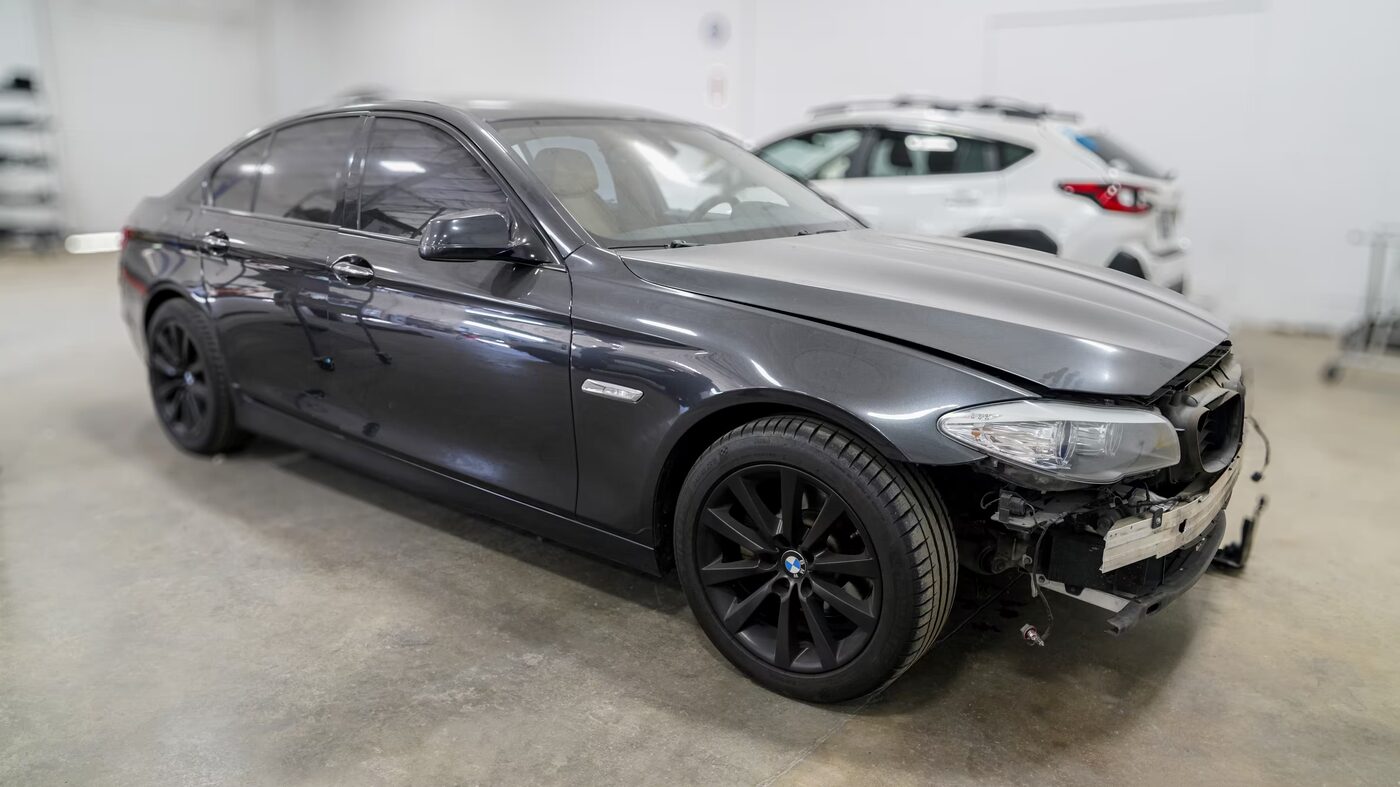
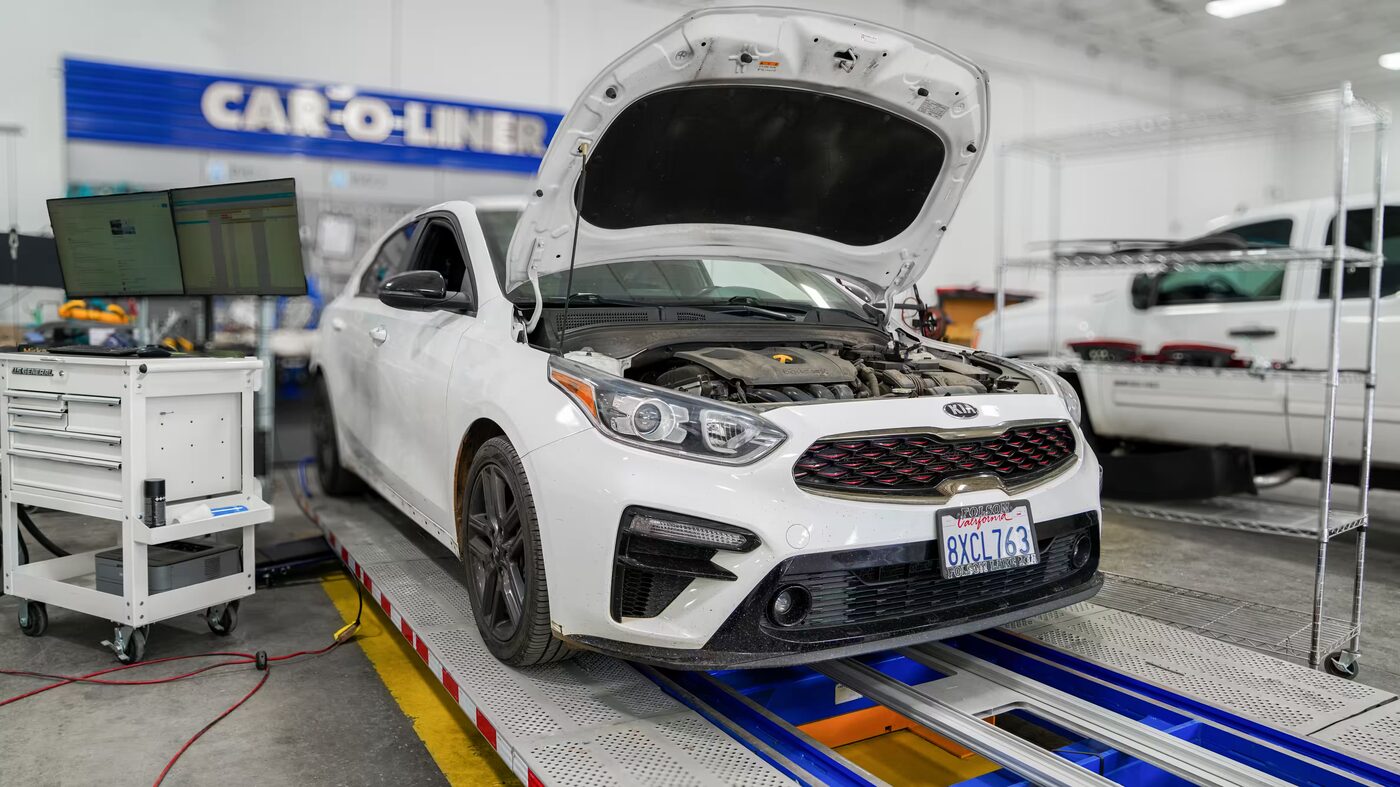


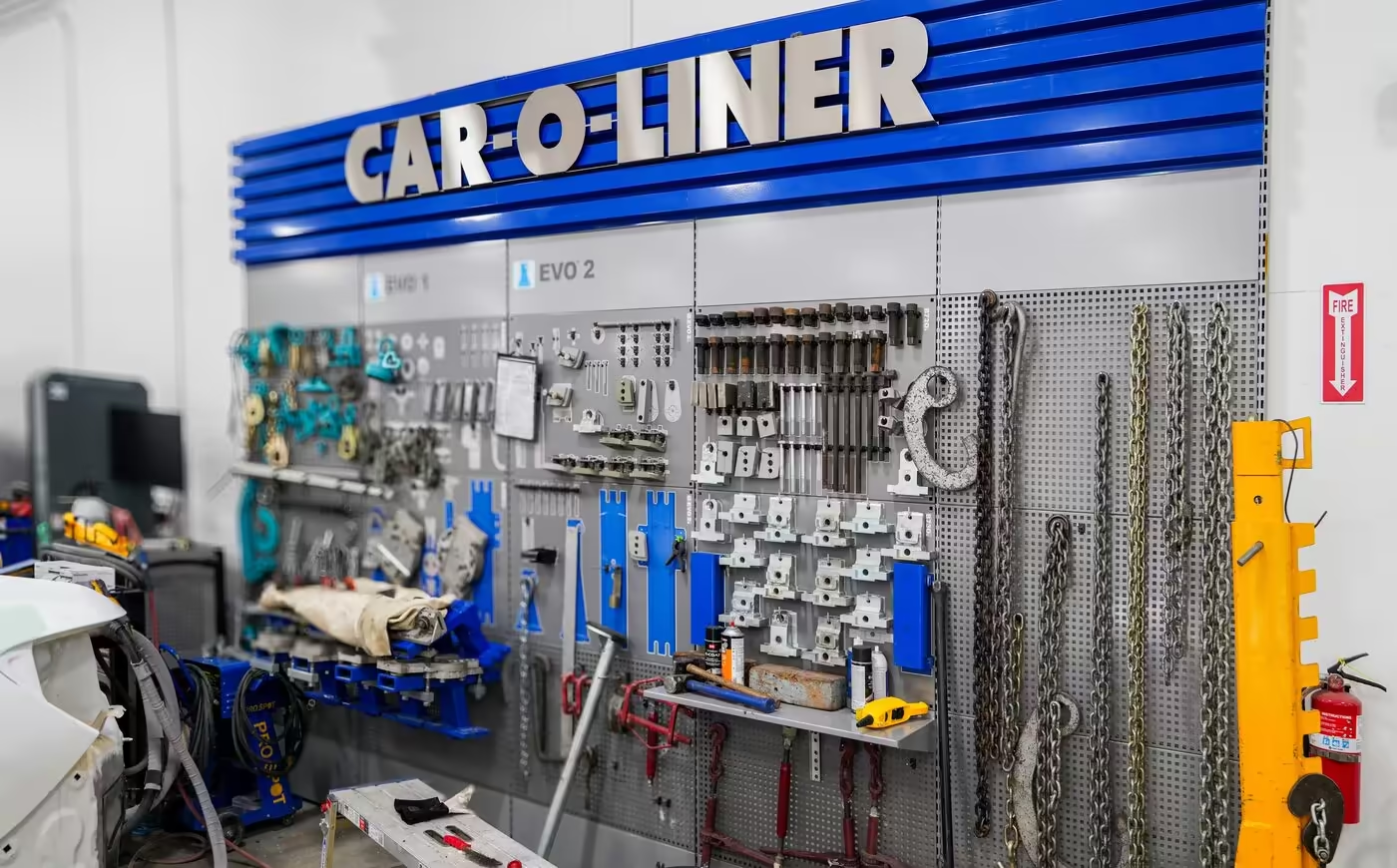
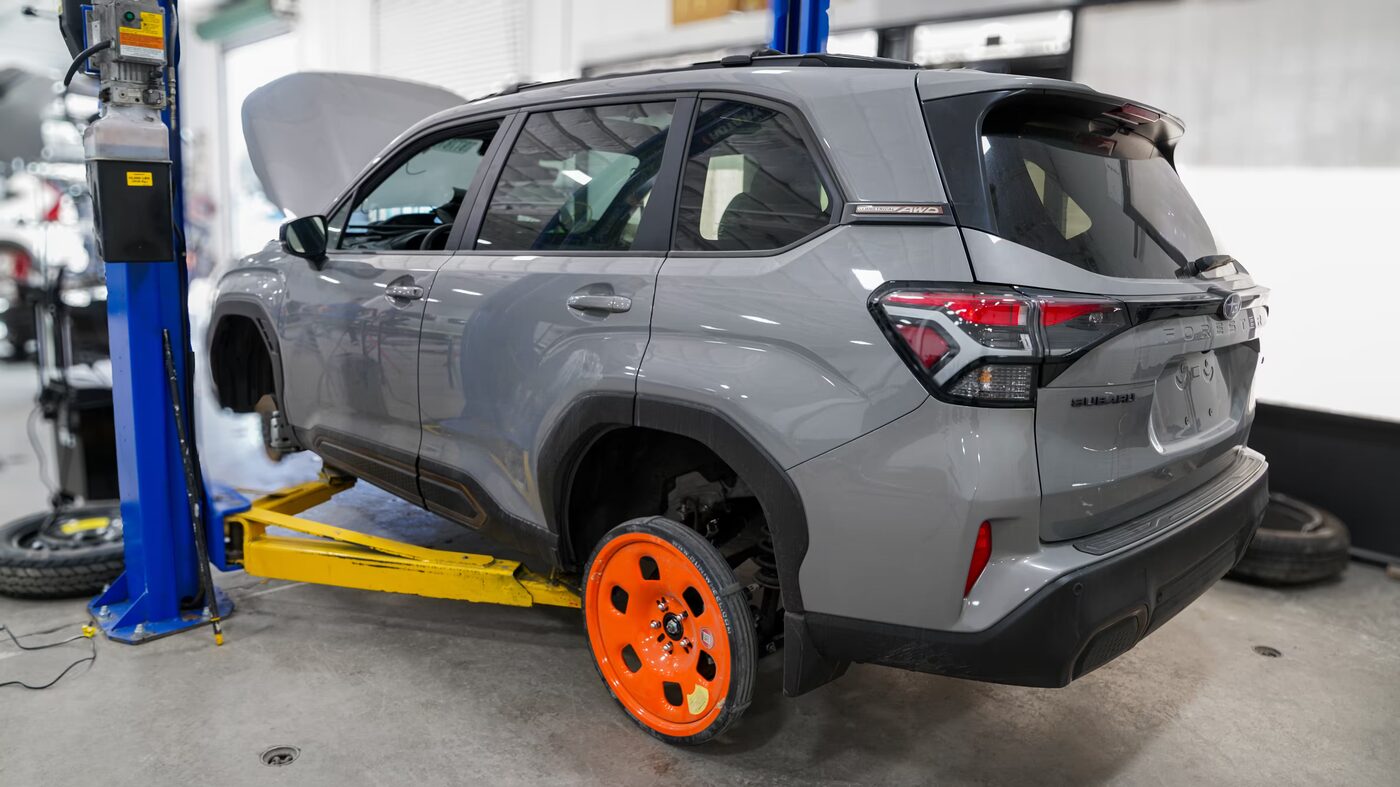
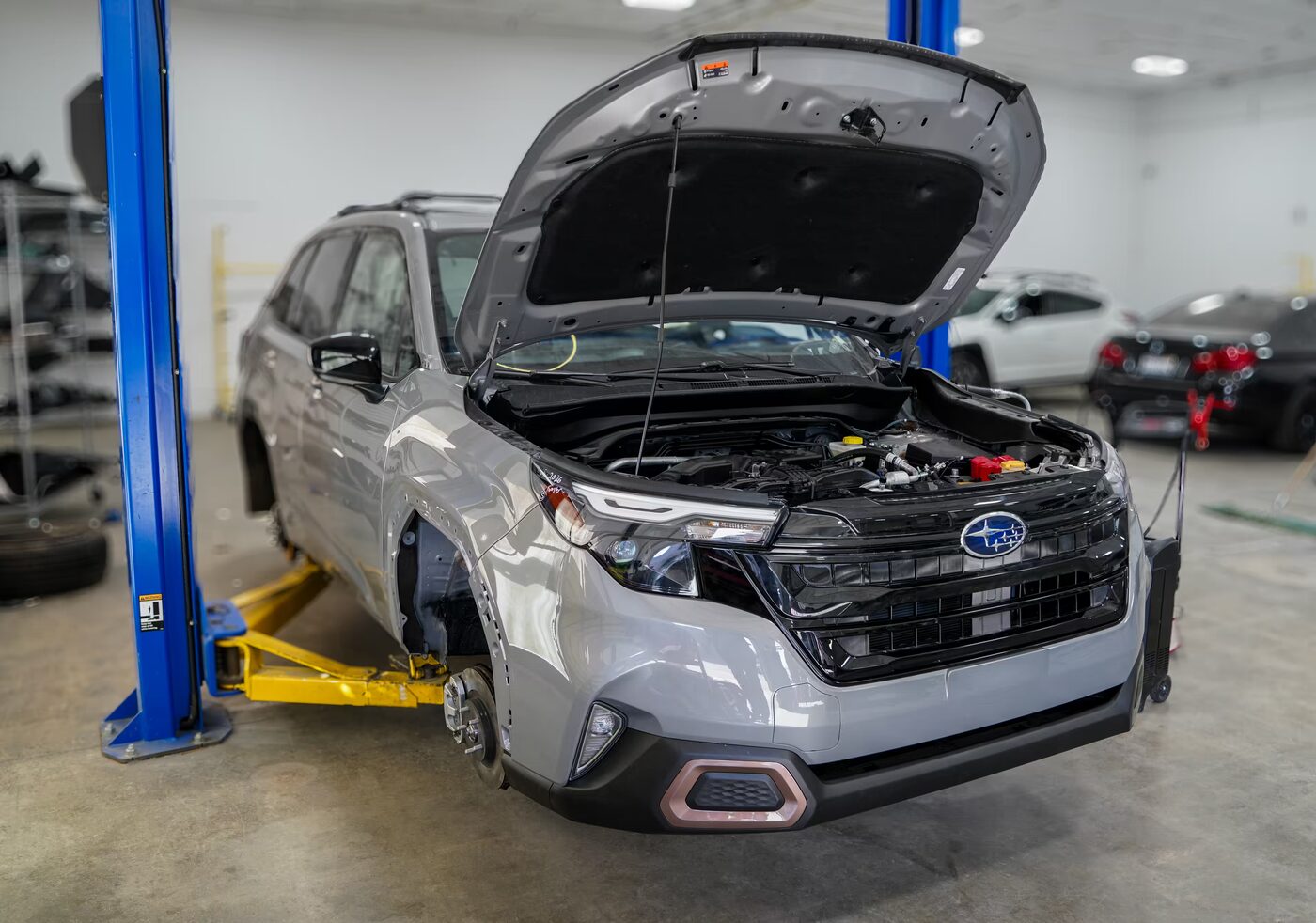
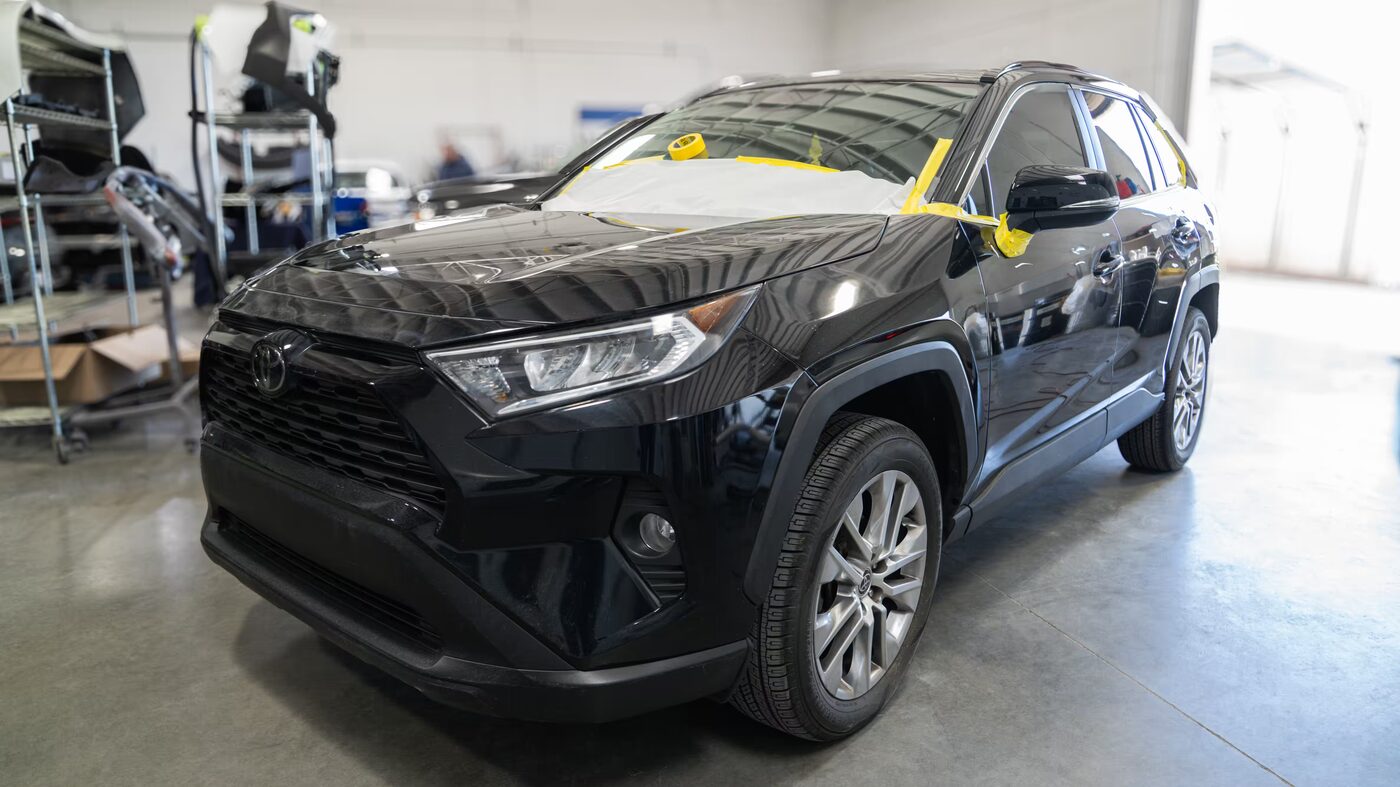
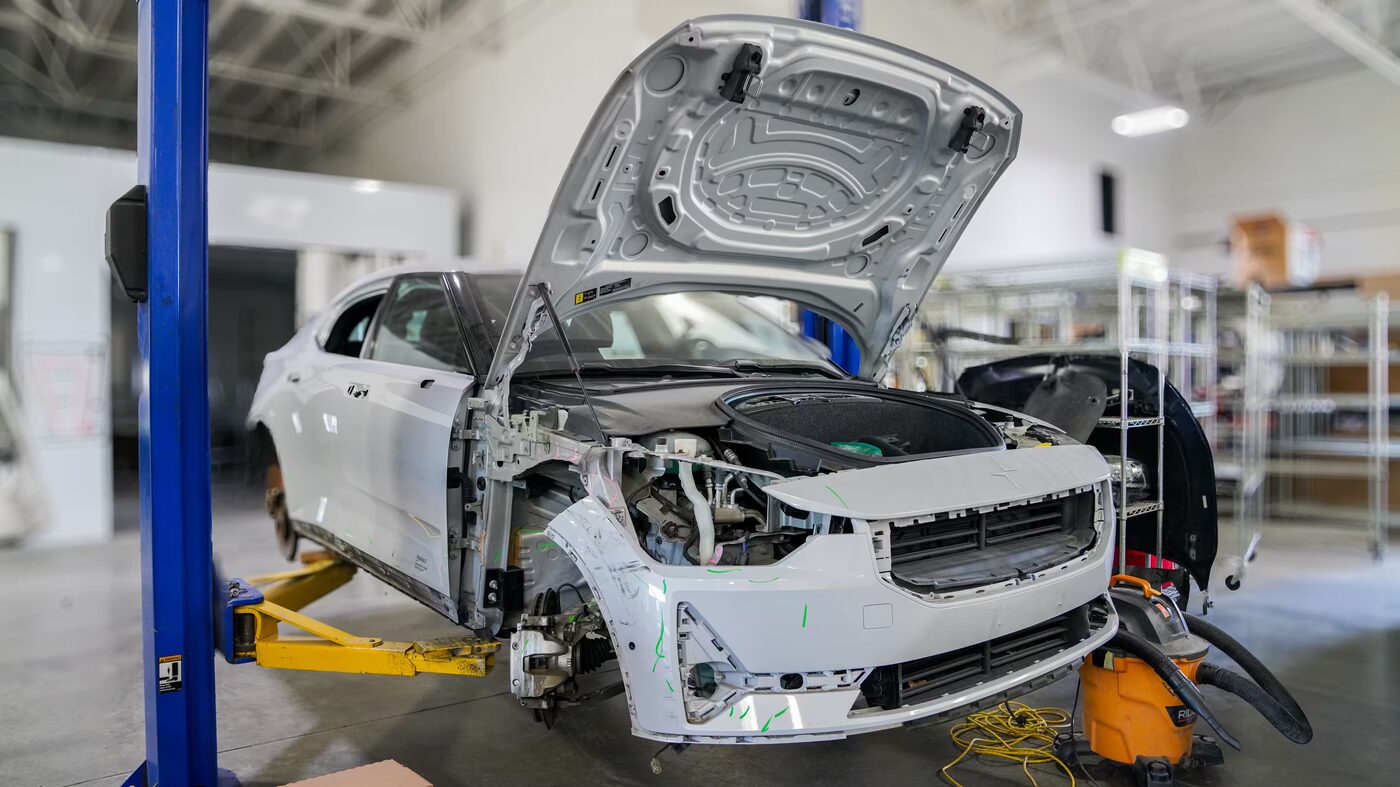
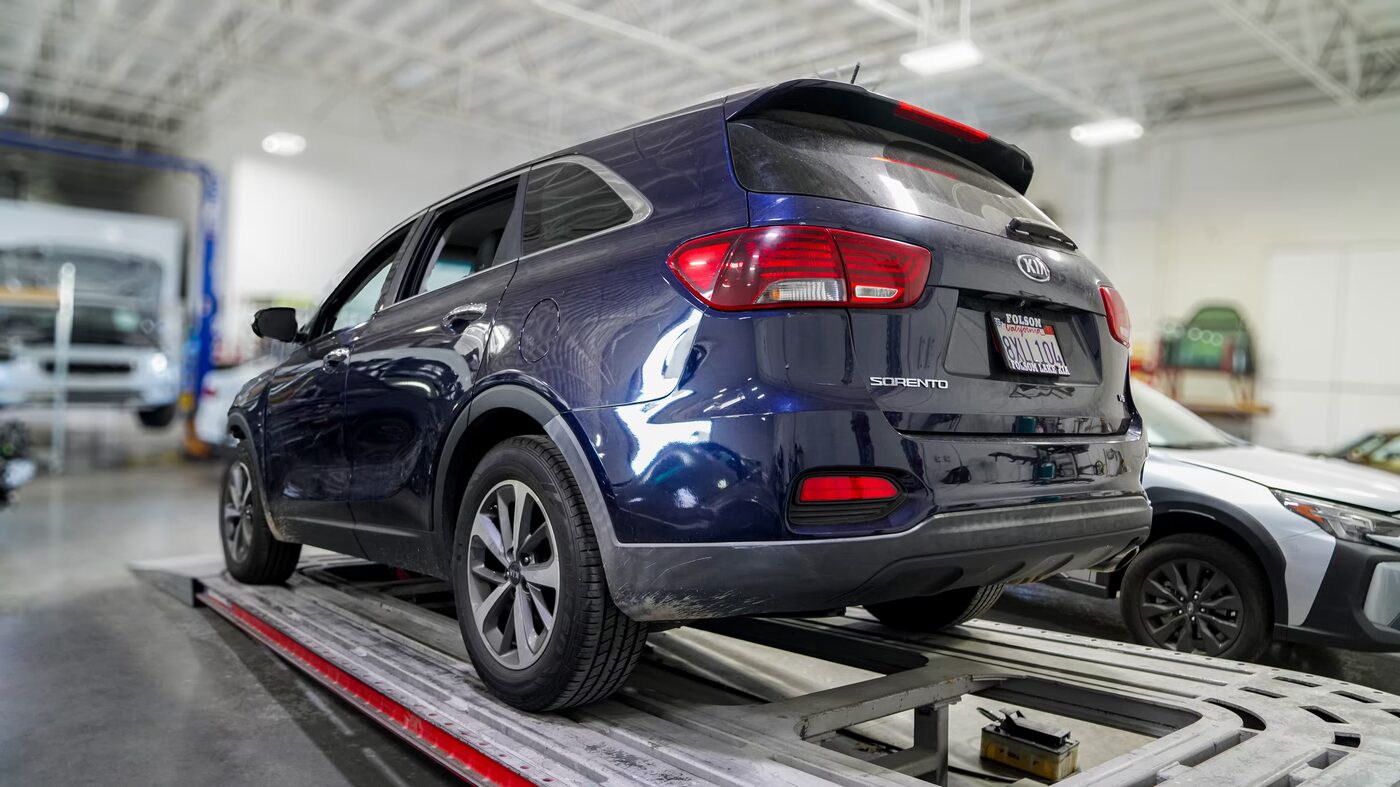

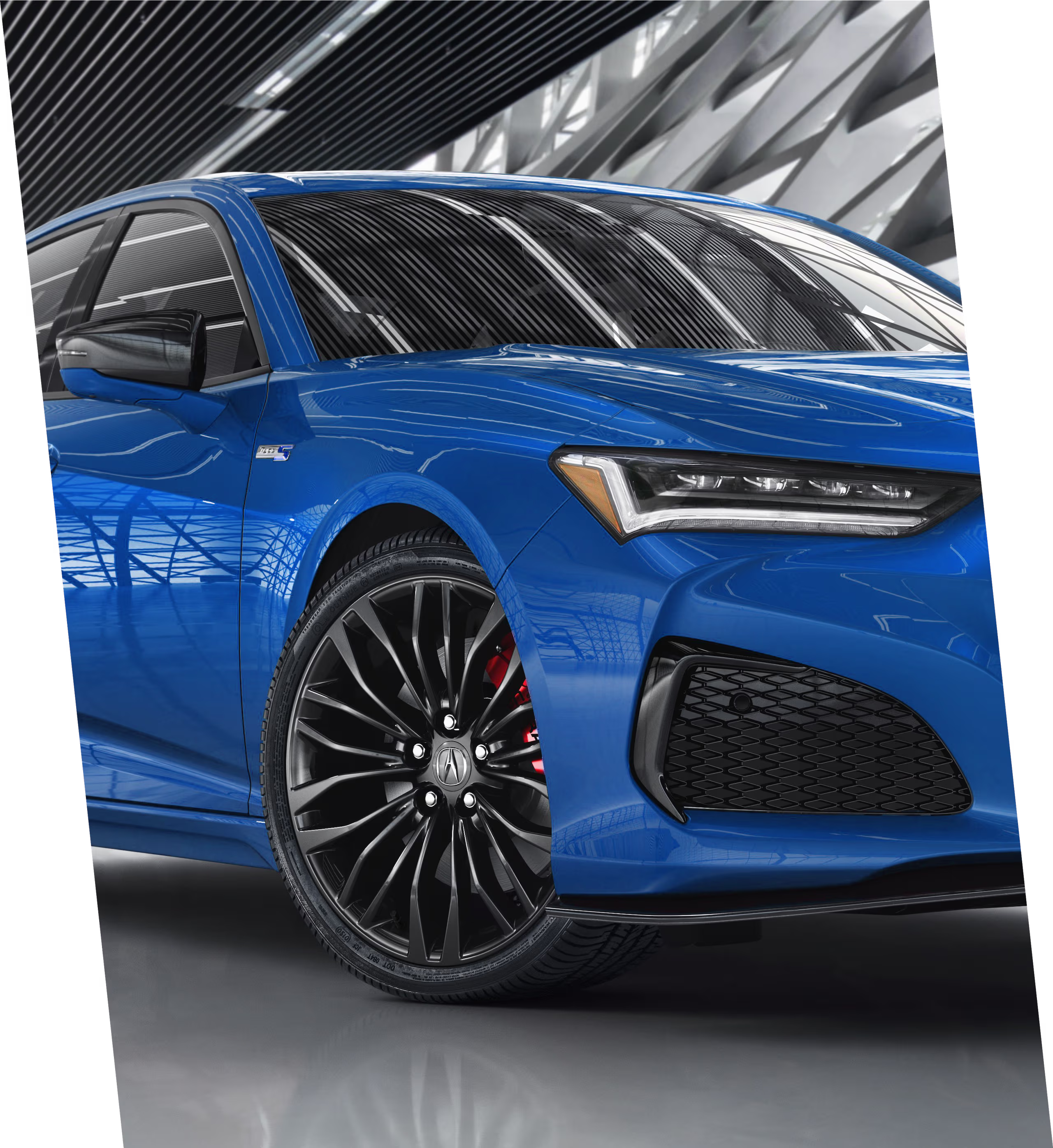
A scratch may seem small, but it can lead to rust if left alone. We treat every scratch with the same care as a major repair, so the finish looks right and stays protected for years.

Our refinishers have spent over 10 years matching paint by eye and by computer, blending repairs so the scratch simply disappears.

Our refinishers have spent over 10 years matching paint by eye and by computer, blending repairs so the scratch simply disappears.


At Pro Collision Center, we believe every vehicle deserves a second chance. Founded on integrity, craftsmanship, and care, we’ve built a reputation for delivering high-quality collision repairs and exceptional customer service — one car at a time.

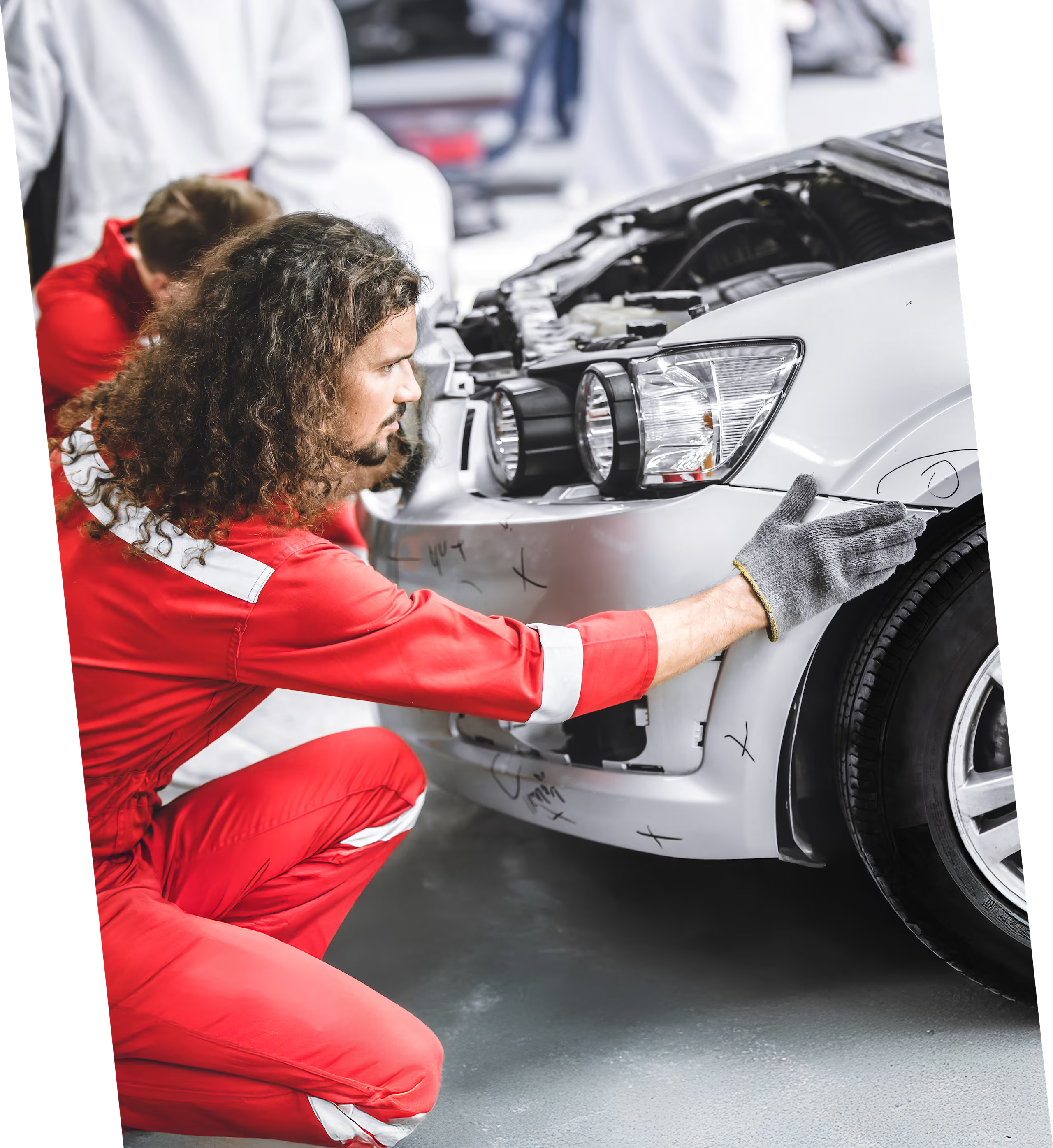
Pro Collision Center proudly serves Sacramento and the surrounding communities with expert collision repair and premium auto body services from our Sacramento North East shop.
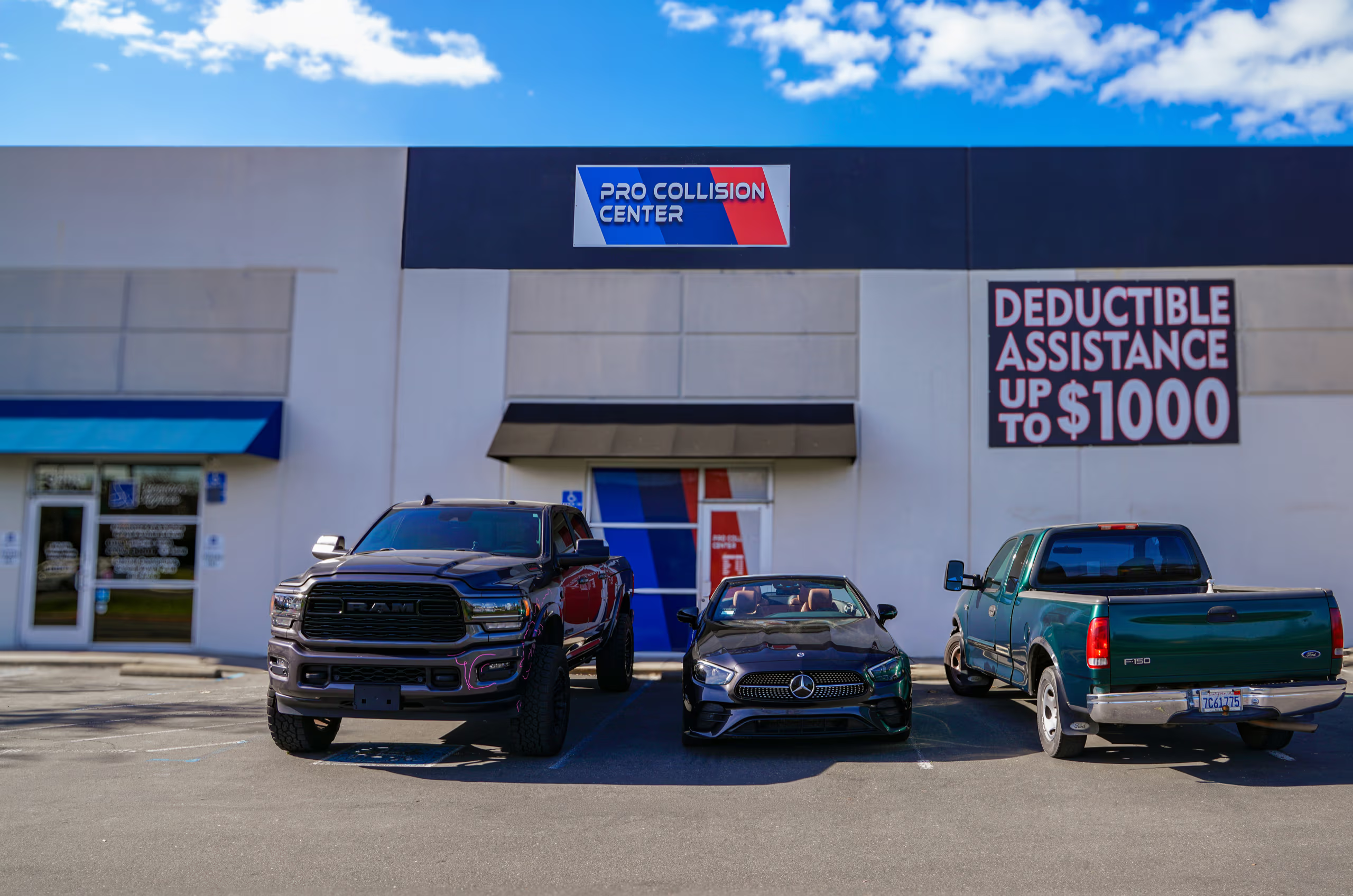
Expert collision repair in Sacramento North East specializing in insurance claims, structural repairs, and professional auto body restoration.



Reviews
Very detailed and professional

Great price, professional, and timely. Thanks guys.

The level of service and skill at Procolor is always exceptional as they go above and beyond to make sure your car gets fixed perfectly in a timely manner.

Quick friendly and knowledgeable

I Had The Best Experience Dealing With This Collision Repair Shop The Whole Team Hear Was Wonderful From The Front Desk She’s Very Professional And Courteous To The Estimate People All The Way Up To The Top Management. During This Stressful Time They Helped Made The Process Go Better. Thank You ProColor Collision North East!!! They Are Truly The Best!!!

Having been in an accident is never easy, but the staff and the excellent body work that Pro Color Collision completed on my car was exceptional. I have never had such a quick and easy process in getting my car repaired. Mimi and Nicole were awesome they made the experience even better. I would highly recommend Pro Color Collision for quality work and extremely friend and helpful staff.

The folks at ProColor were very helpful and friendly! Mimi and Nicole were very nice :)

I had such a great experience with ProColor Collision they make a great job with my car. And also the front desk girl and Claudia were so kind and friendly. Thank you so much!

Quick 🙌🏼🙌🏼 and Claudia is very nice.

Very good company and friendly employees. Quick real estimate and fast professional job done. Recommend to everyone who wants their car to look beautiful.

I have used ProColor Collision on several occasions. They have always been professional and helpful, keeping me up to date with how things are going.

Everyone was very pleasant and professional. I would definitely recommend ProColor Collision when in need of auto body repair. Wow‼️❤️👍

ProColor Collision did a great job on my car. The staff was professional, kept me informed, and completed the repairs on time. My car looks like new. Highly recommend for quality collision repair.

The team at this location is outstanding! They kept me informed and updated every step of the way, going above and beyond throughout the entire process. I’m beyond satisfied with their service and will definitely return for any future body work needs. I highly recommend them to anyone! They even took the extra step of washing and cleaning both the inside and outside of my car which was so nice of them! My car looked amazing after and like brand new again! Thank you guys so much!

Up Front And Detailed About Repairing Looks Over Project With Well Trained Eye What Got Me Was He Sent His Body Man Out To Look Over Project And Got His Opinion

Nice helpful stuff



What Is Bumper Scratch Repair?
Bumper scratch repair treats damage to the finish and, where necessary, the surface of the bumper cover itself. A light clear-coat mark may need a different approach from a gouge through the color coat into the plastic. Technicians assess the depth before choosing correction, preparation and refinishing. Chips, scuffs and deeper abrasions can therefore produce different repair scopes even on the same cover. The goal is an appropriate, durable finish without hiding damage that needs a separate repair.
Who Needs Professional Paint Scratch Restoration?
Professional scratch restoration is useful when washing does not remove the mark or the coating has been cut through. Drivers bring in parking scuffs, key marks, chips and abrasions that reveal primer or the underlying cover. Some apparent scratches are transferred material, while others have removed part of the paint system. That difference is easier to establish after cleaning and inspection. An assessment also helps avoid excessive polishing of a coating that is already too thin or damaged.
What Paint and Surface Defects Can Scratch Repair Correct?
Scratch repair can correct suitable scuffs, clear-coat defects, color-layer damage and small gouges in a repairable surface. Exposed primer usually means the missing coating needs to be restored rather than simply polished. On metal panels, loss of protection can also create a corrosion concern; plastic bumper covers behave differently. Localized finish defects from earlier work may require preparation beyond the original scratch. Cracks or distorted cover material are assessed as physical damage in addition to the paint issue.
How Do Technicians Diagnose scratch depth and underlying material damage?
After cleaning, the technician examines which coating layers are affected and whether the underlying material is gouged or cracked. The inspection also considers the defect's dimensions, surrounding color and signs of previous refinishing. Collision repair trainer Shawn Collins, whose background includes ASE Master certification, emphasizes thorough preparation for reliable plastic repairs. That is relevant when a bumper scratch extends into the cover rather than stopping in the clear coat. Depth and substrate findings guide how much correction or refinishing the area needs.
How Do Surface Preparation and Color-Matching Systems Affect Repair Quality?
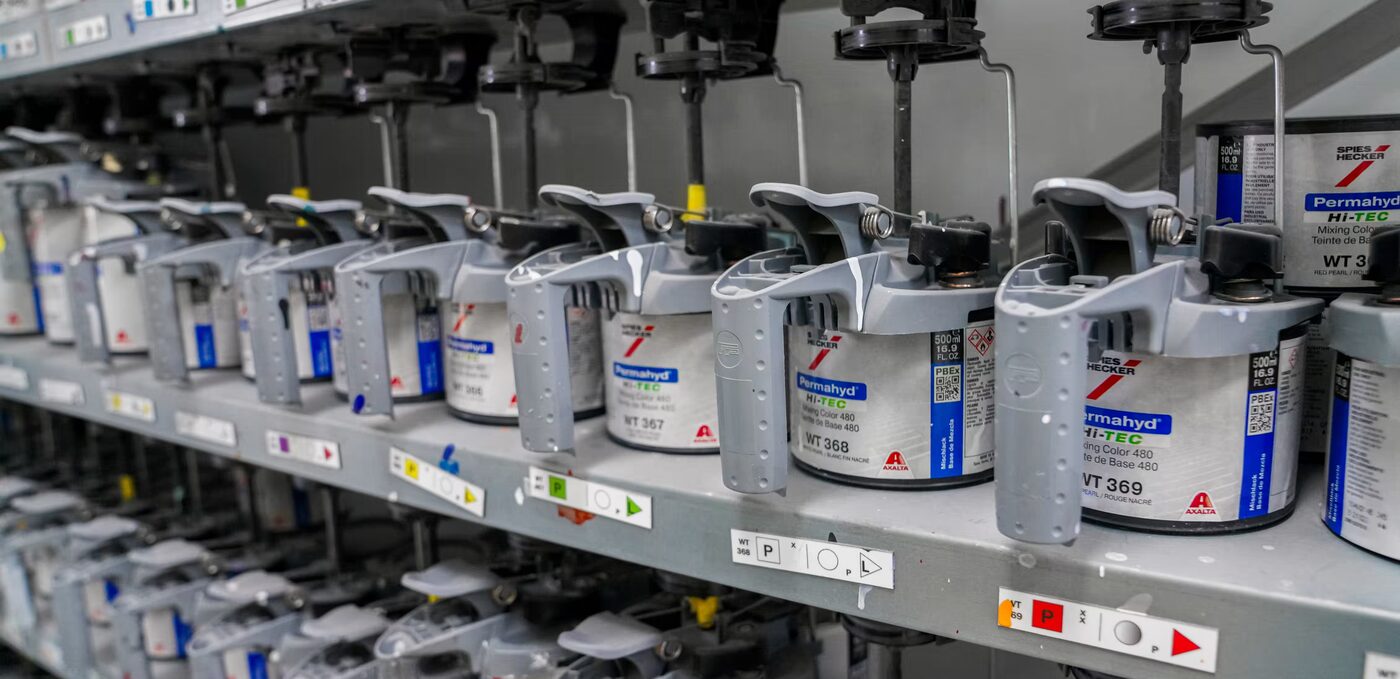
Preparation determines whether the repaired finish has a stable surface to adhere to. Cleaning removes contamination, while the selected sanding and primer process suits the exposed layers and substrate. The color formula and blend boundary are then planned against the surrounding paint. Clear coat protects the color and must be applied and cured within the coating manufacturer's instructions. Polishing can refine the finish afterward, but it cannot compensate for incompatible products or poor underlying preparation.
What Should You Consider Before Choosing an Auto Body Scratch Repair Provider?
Ask whether the proposed job is paint correction, localized refinishing or a broader repair to the damaged substrate. The estimate should explain its boundaries, including any blending into surrounding areas and treatment of earlier paintwork. If metal is exposed, discuss restoring corrosion protection; a plastic bumper requires a different assessment. An insurance claim may not make financial sense for every small scratch, so compare the actual repair cost with your deductible and coverage. Confirm the finish warranty and any aftercare guidance before authorizing the work.
What Is Included in Car Bumper Scratch Repair?
The included operations depend on the scratch depth rather than a fixed polishing package. A refinishing job may involve cleaning, controlled sanding, suitable filler where permitted, priming and color matching. Paint and clear coat are then applied with the necessary curing, followed by finish inspection and polishing where appropriate. A shallow mark may require fewer steps if the existing coating can be corrected safely. The estimate should make that distinction clear and identify any removal or sensor-related restrictions affecting the bumper.
How Can You Schedule Auto Body Scratch Work in Sacramento?
Photograph the scratch in daylight and include a wider image of the affected panel when requesting a Sacramento estimate. Tell the team if the area has been repainted or treated with a coating, and describe how the damage occurred. Pro Collision Center can inspect the layers and substrate before recommending correction or refinishing. We will discuss the intended repair boundary and any neighboring area involved in blending. Approve the work once that scope and the expected finish are clear.
How Does the Paint Scratch Repair Process Work from Inspection to Final Quality Control?
Scratch restoration follows the condition of the existing finish.
Clean and assess the mark, coating layers and underlying material.
Agree on correction or refinishing and define the affected area.
Prepare the surface with compatible abrasives, repair products and primer as needed.
Formulate the color and apply the specified finish within the planned blend boundaries.
Allow the coating system to cure before final refinement.
Inspect color, texture and the repair boundary under suitable lighting.
The method should preserve sound surrounding paint where practical. Any physical damage uncovered during preparation is discussed before it changes the job.
Why Choose Pro Collision Center for Bumper Scratch Repair in Sacramento?
Our scratch repair team evaluates how far the damage reaches before recommending correction or refinishing. Digital color matching, premium coatings and certified technicians help connect the repaired surface with the surrounding finish. Pro Collision Center has served customers for more than ten years and worked with over 50,000 clients, with CSN membership and insurance support adding to our collision services. We explain which areas need paint and which can be treated by an appropriate surface correction. Review the written workmanship and finish coverage for those operations before authorizing the job.