

Collision Repair Services in Sacramento
From minor dents to major collision repair — we’ve got you covered.
Schedule an Appointment
Whether it’s a small dent or major accident damage, our team is here to restore your vehicle with precision and care
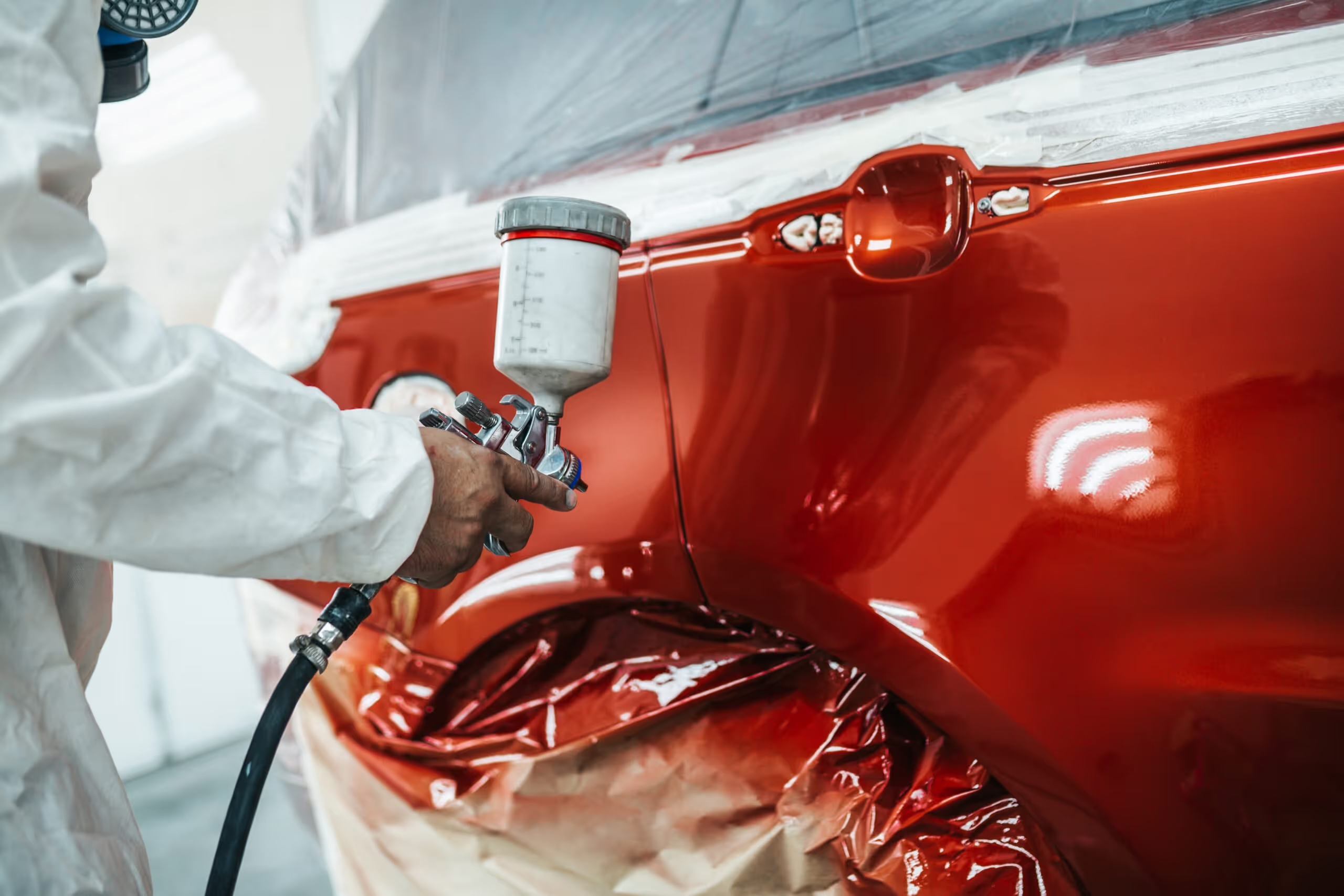
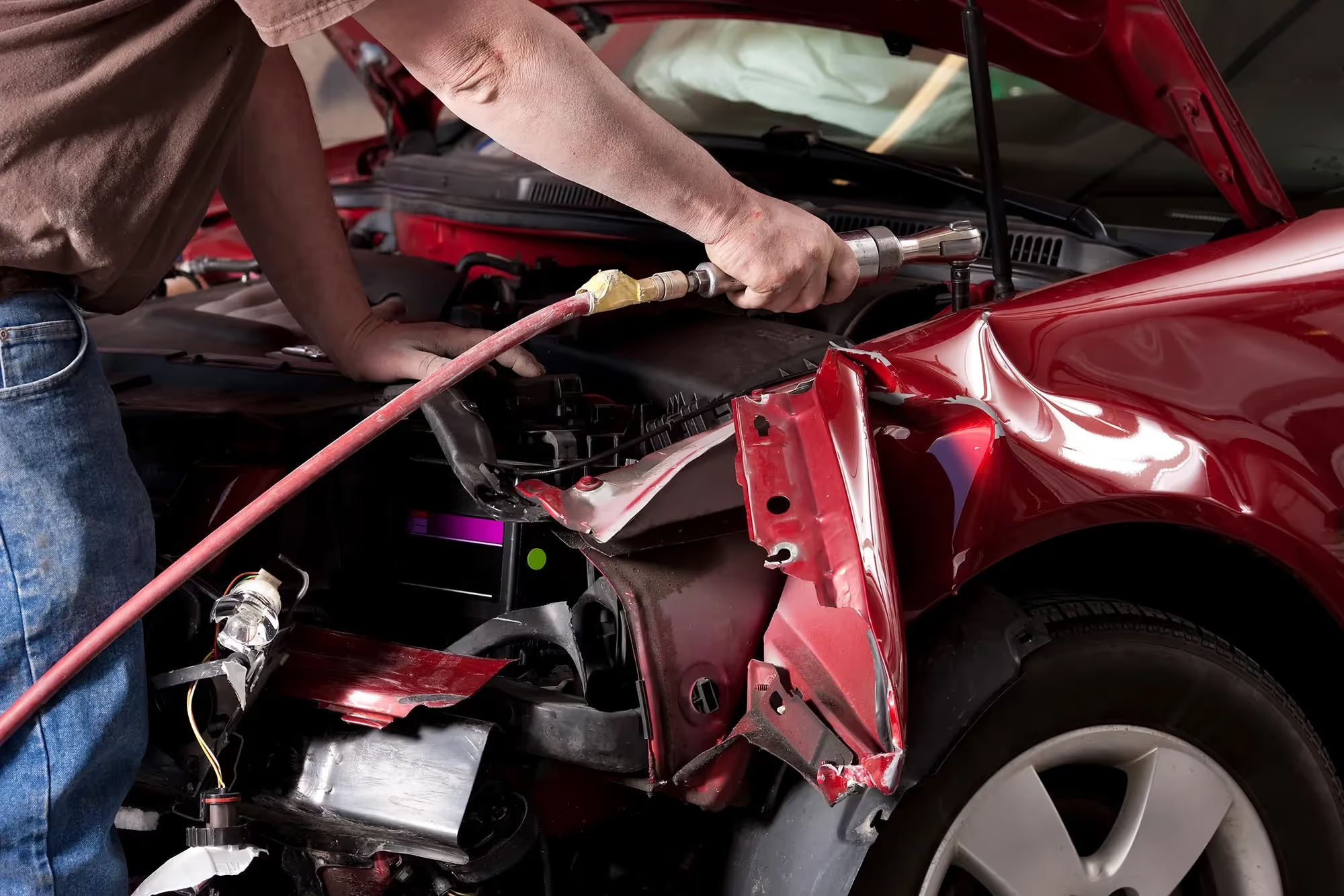
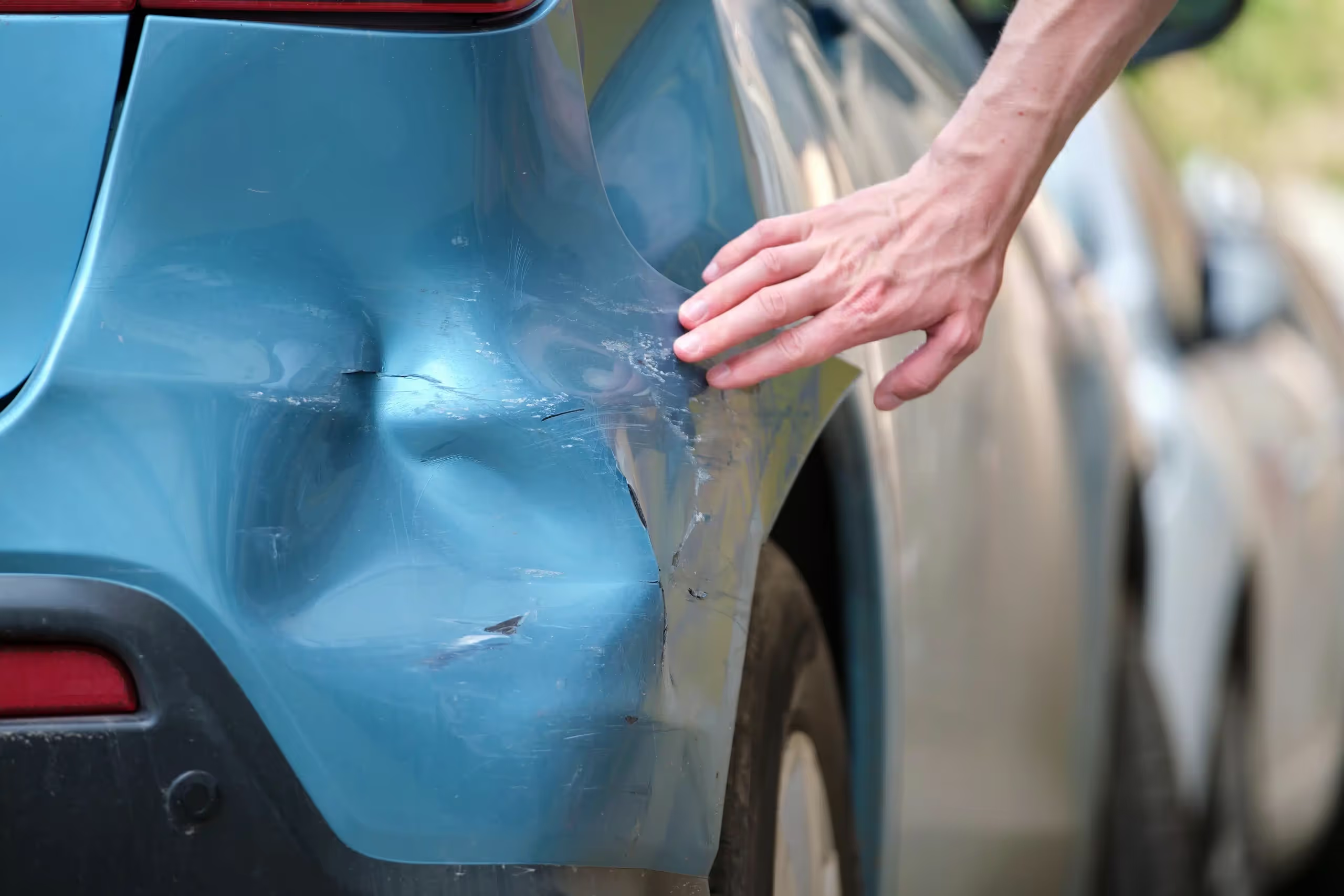
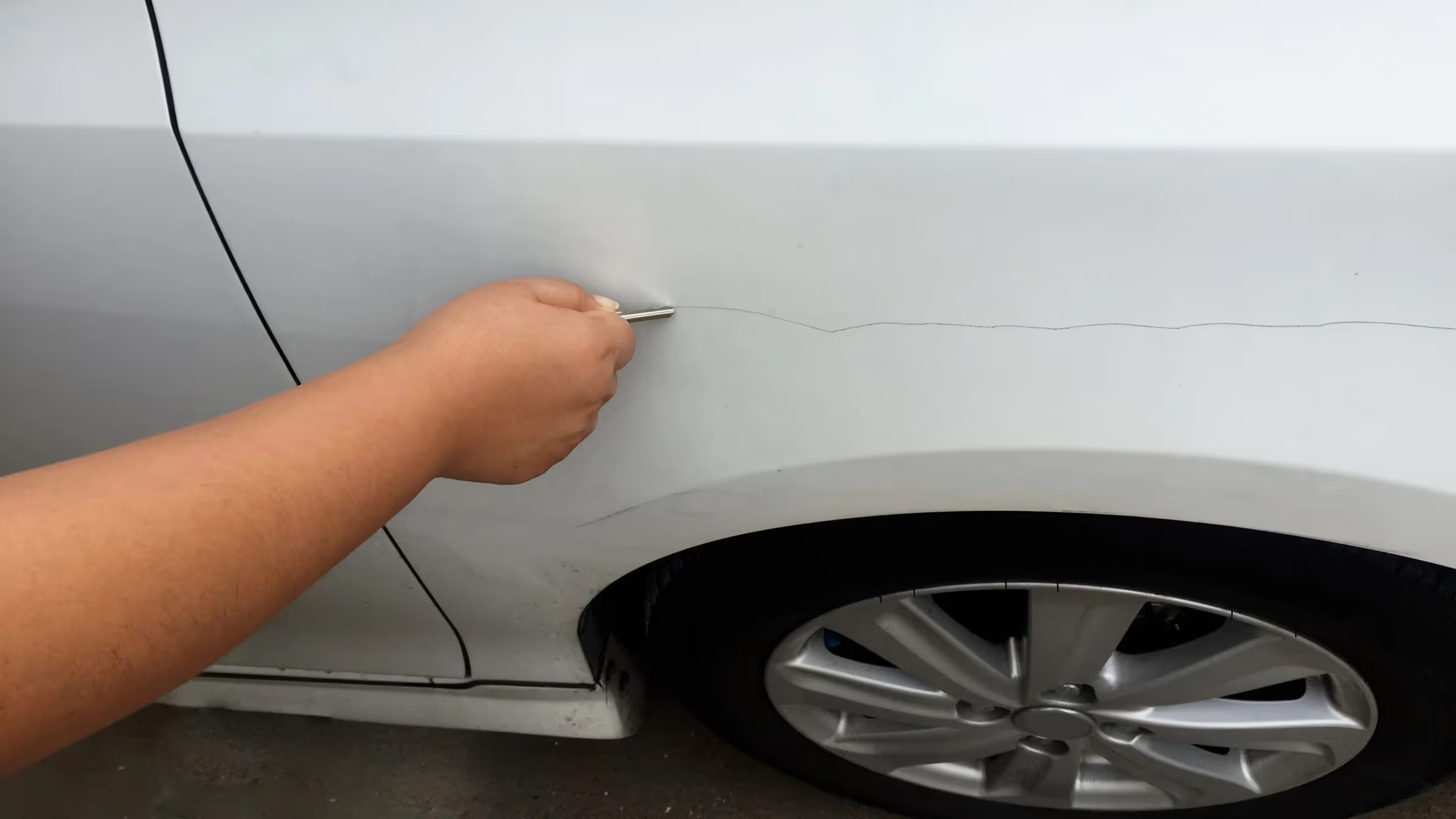


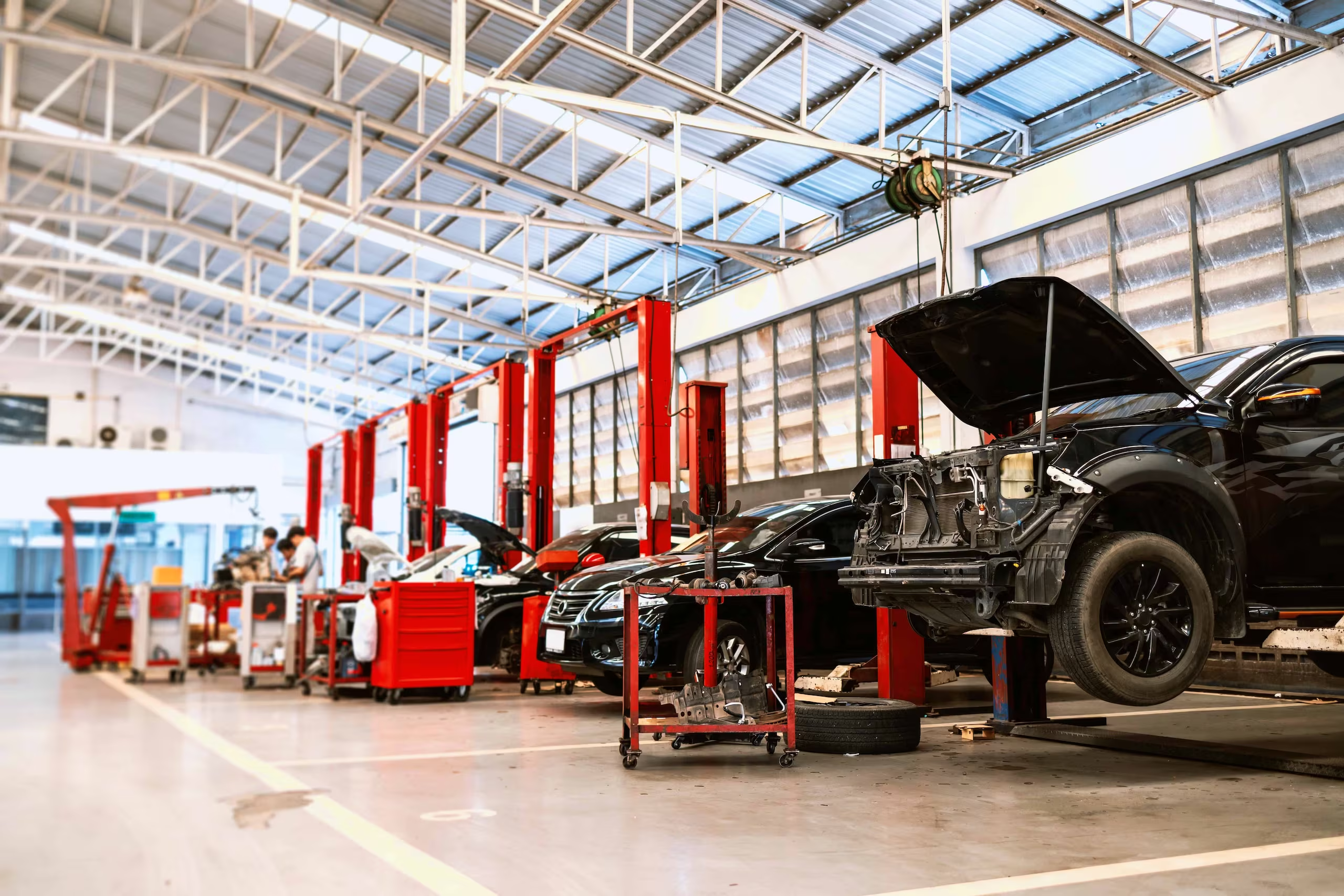


YOU CAN SEE

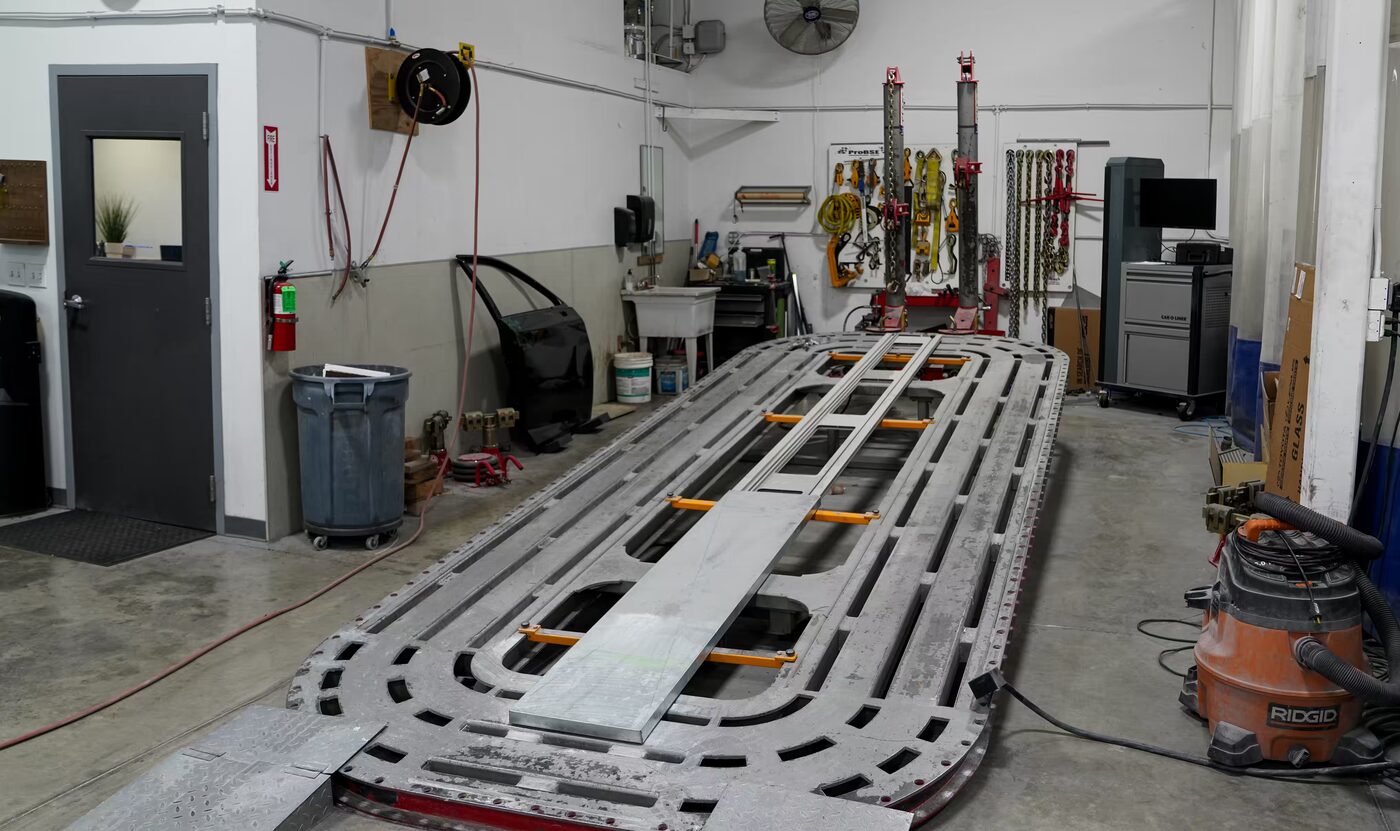
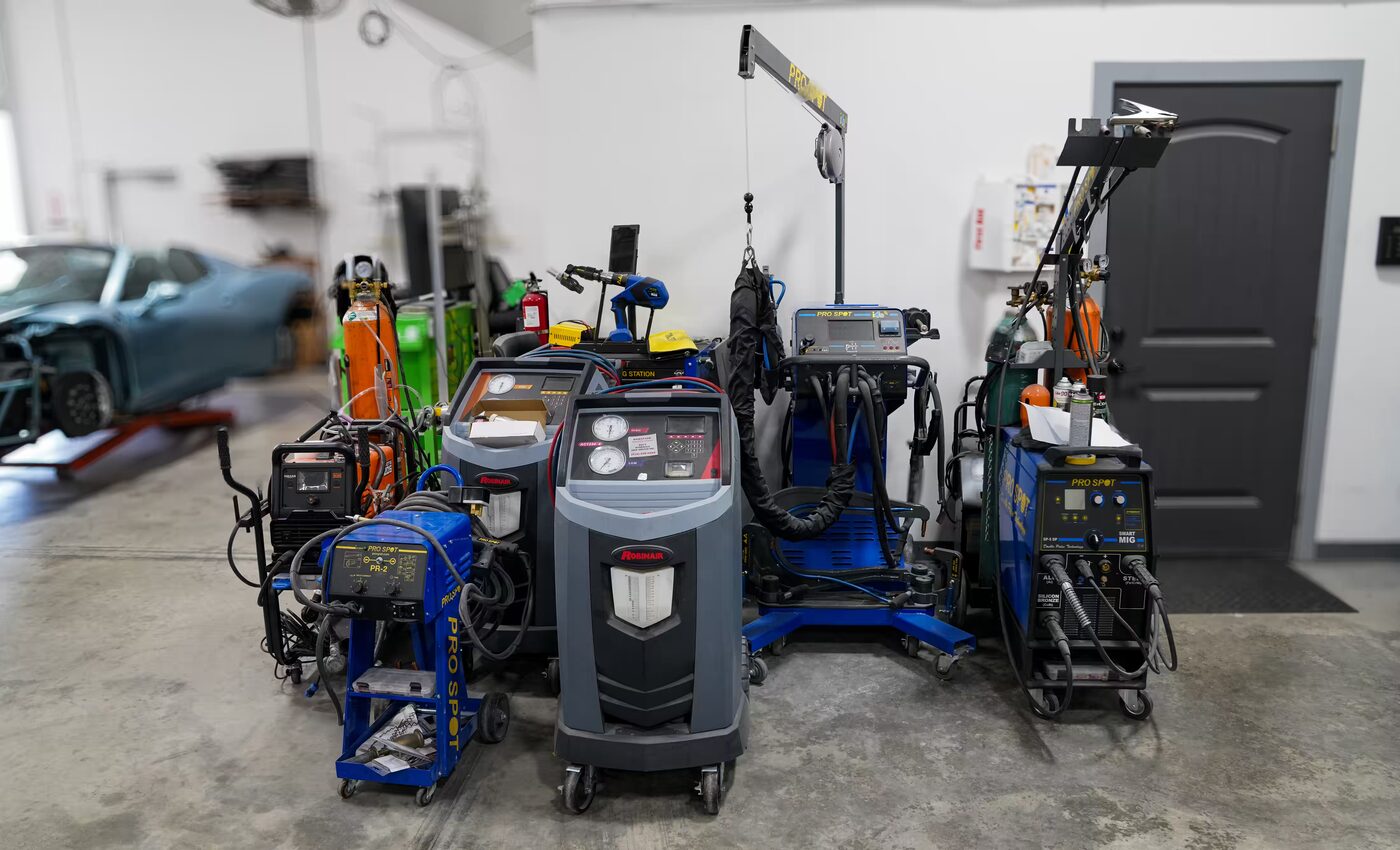
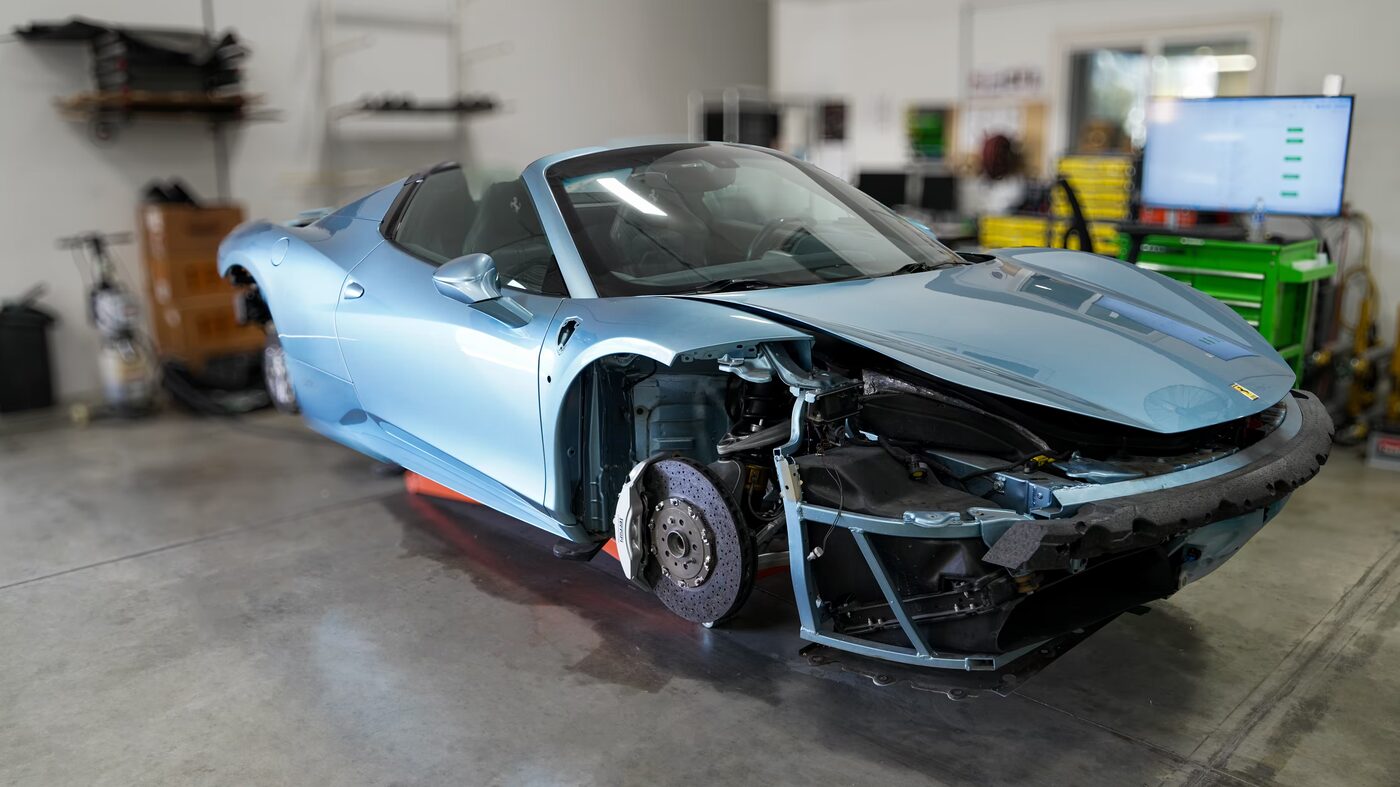
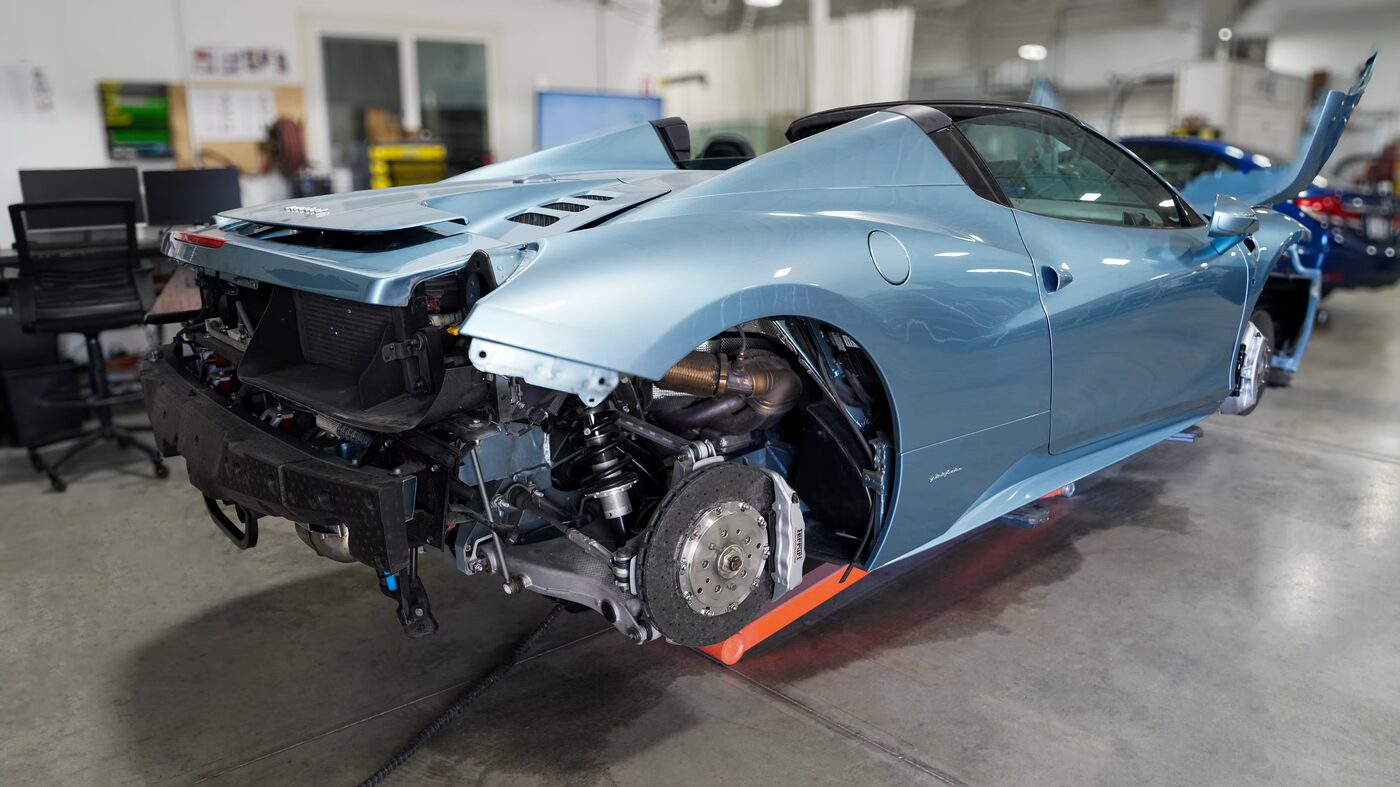
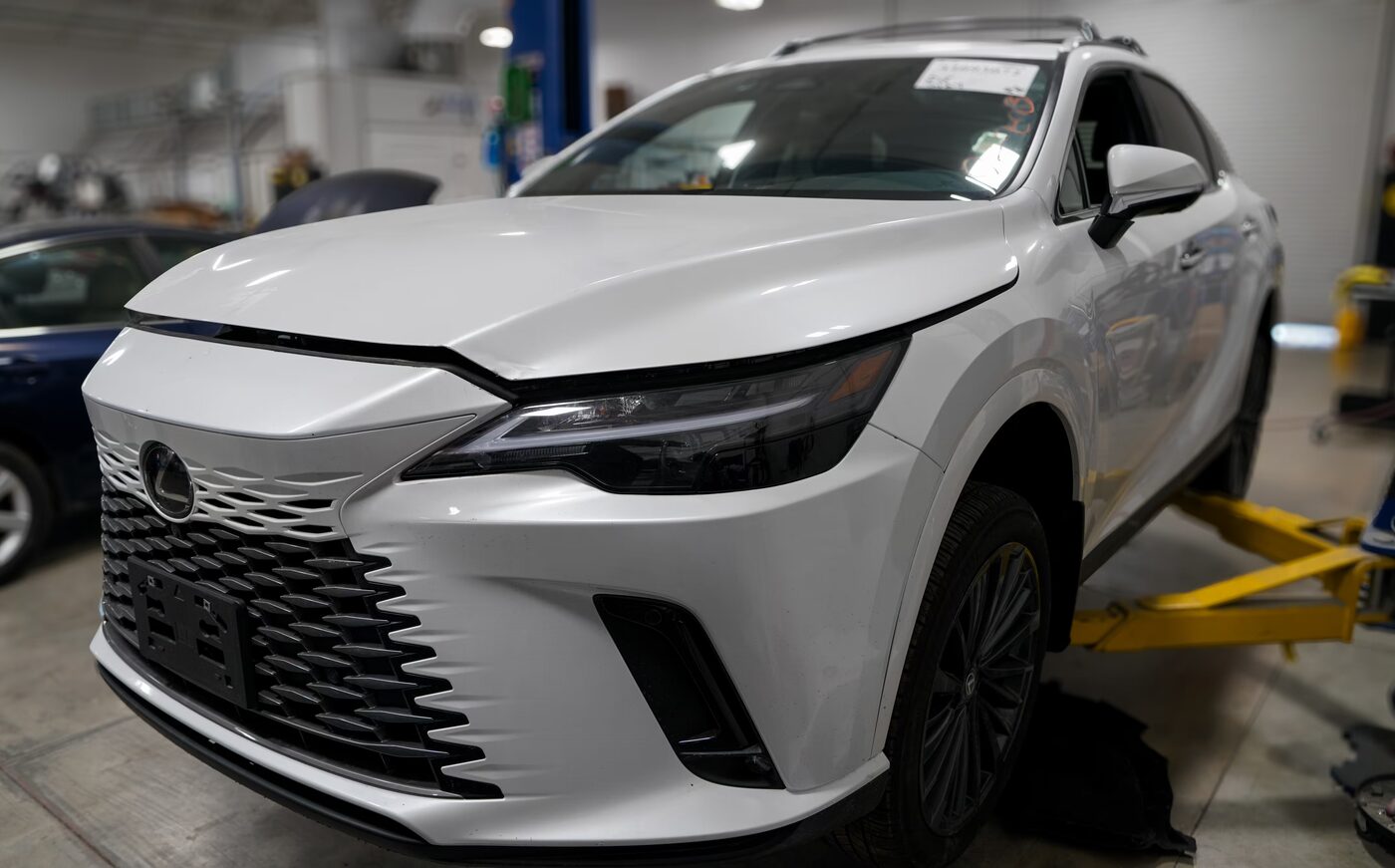
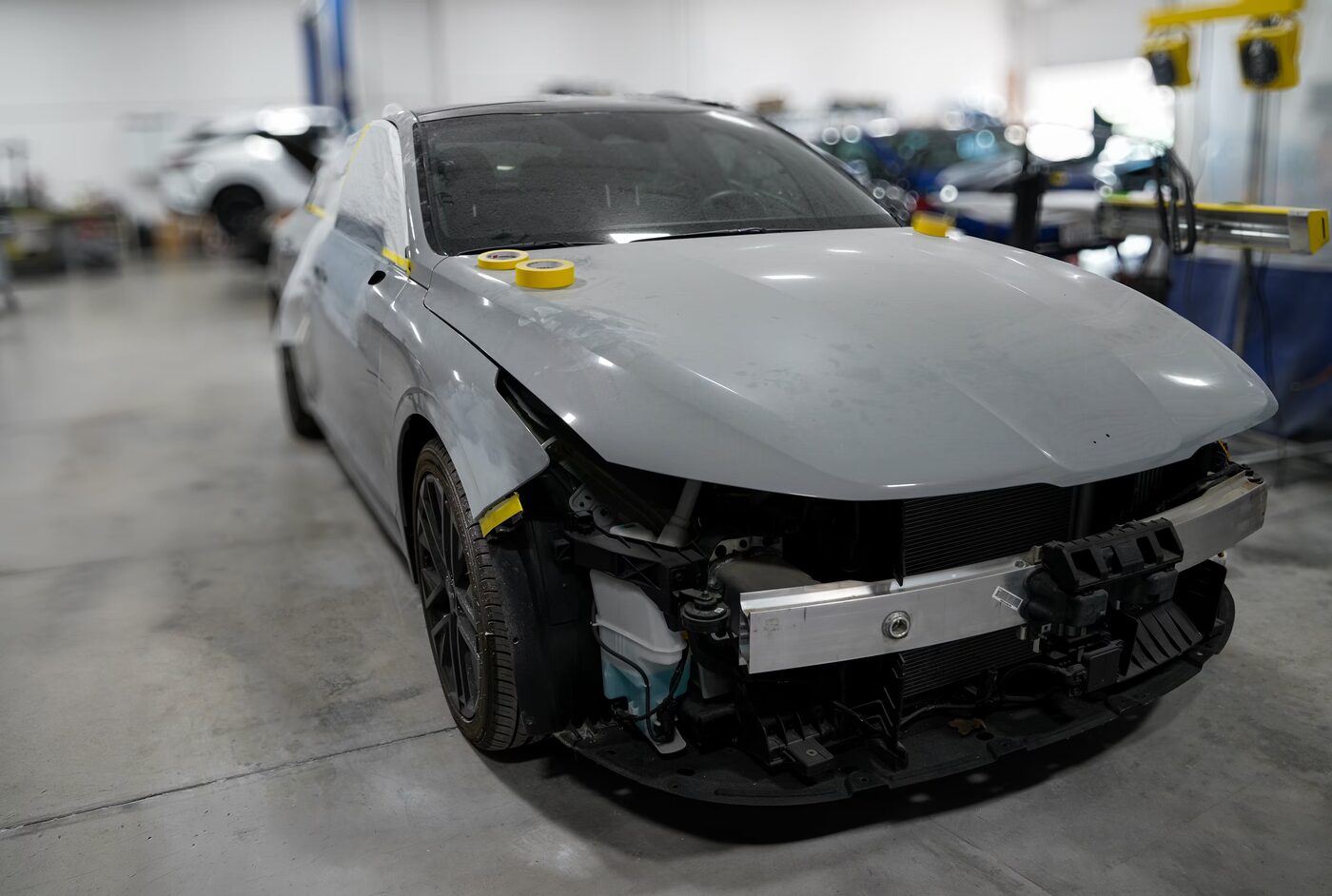
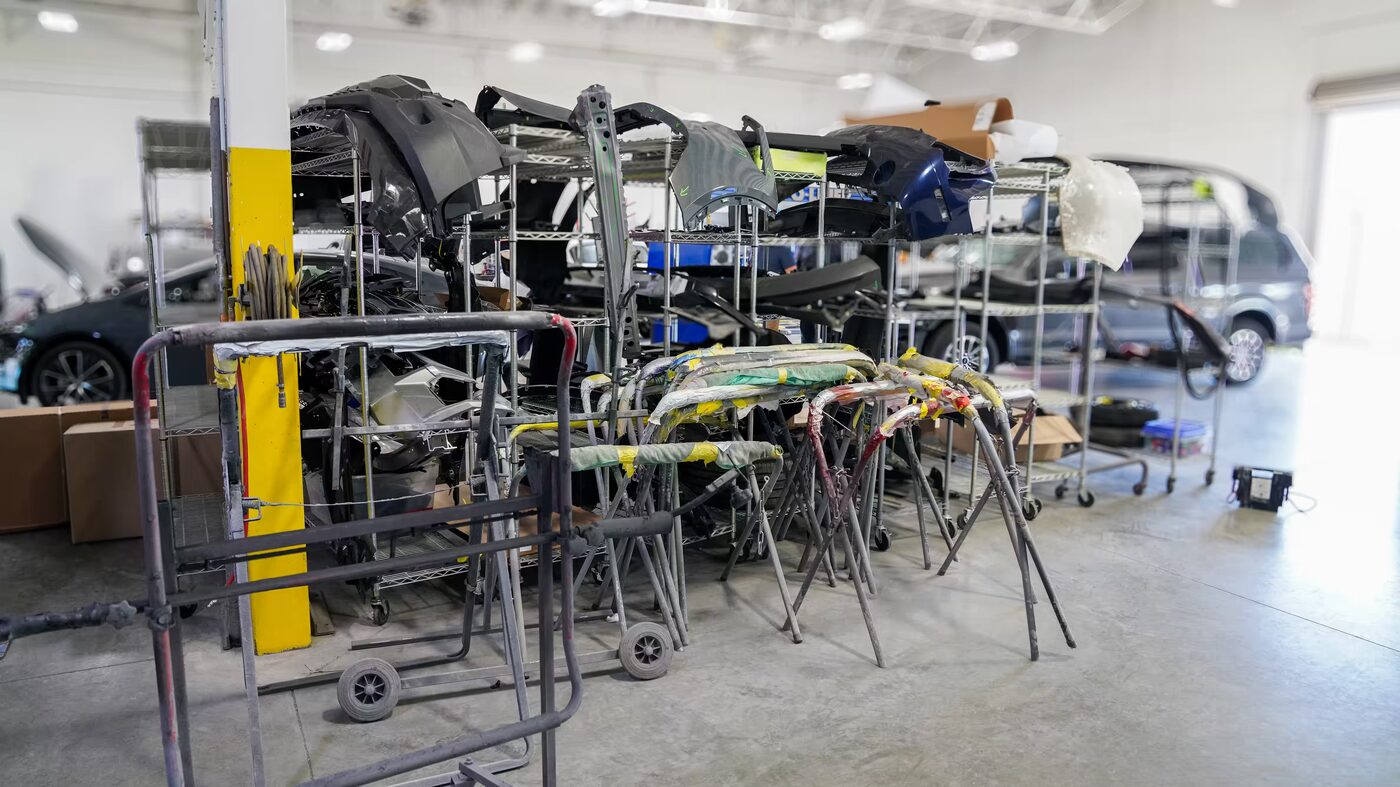
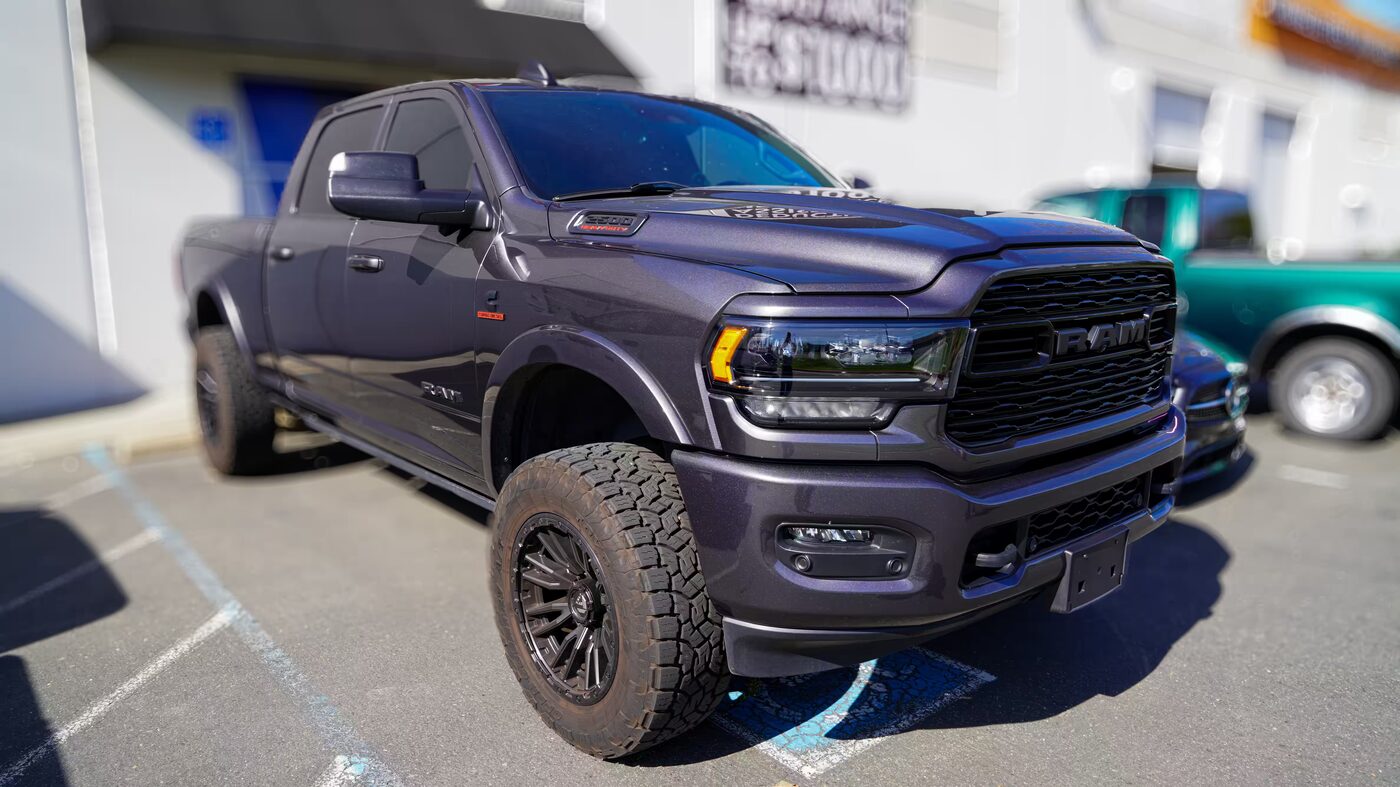
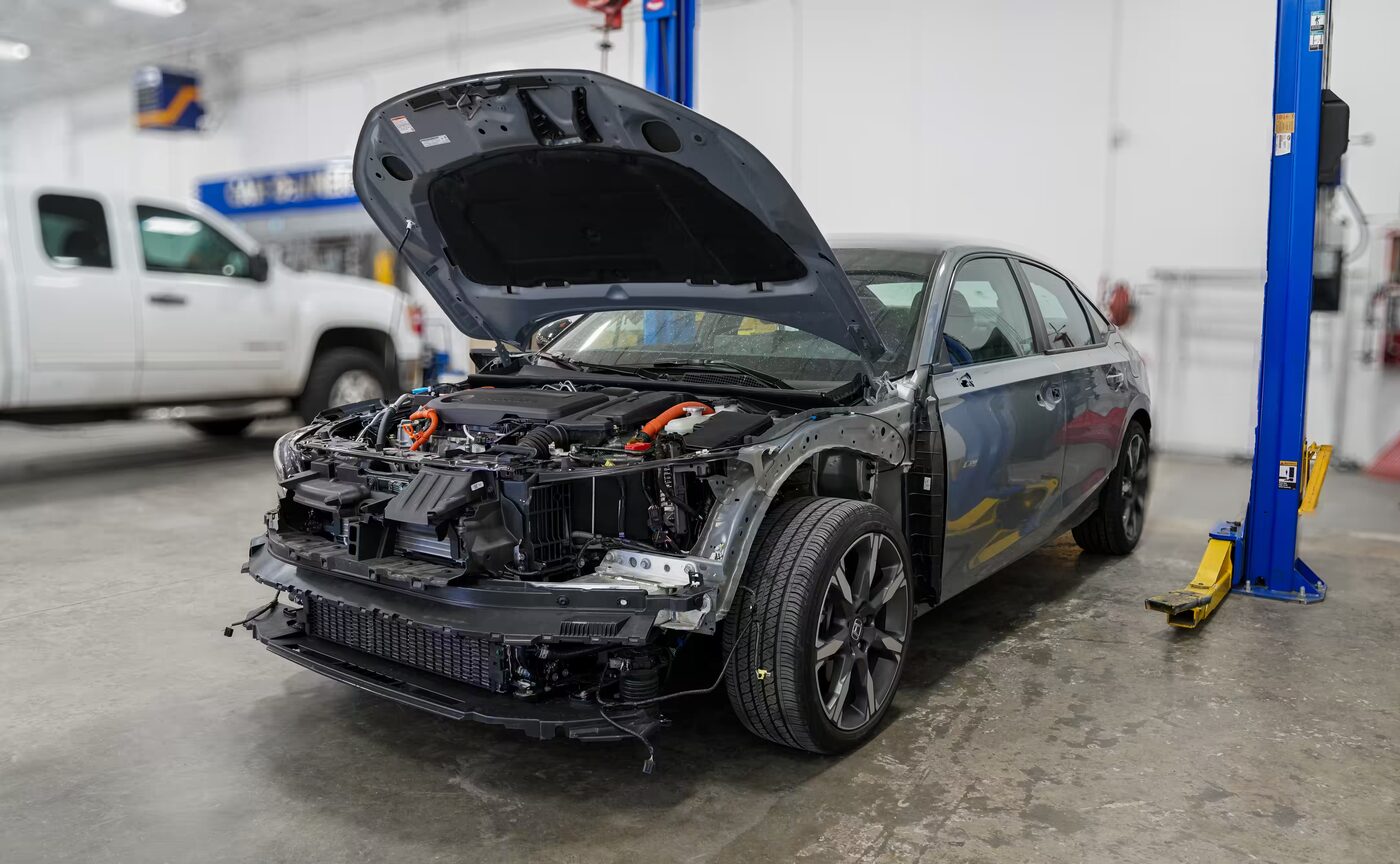
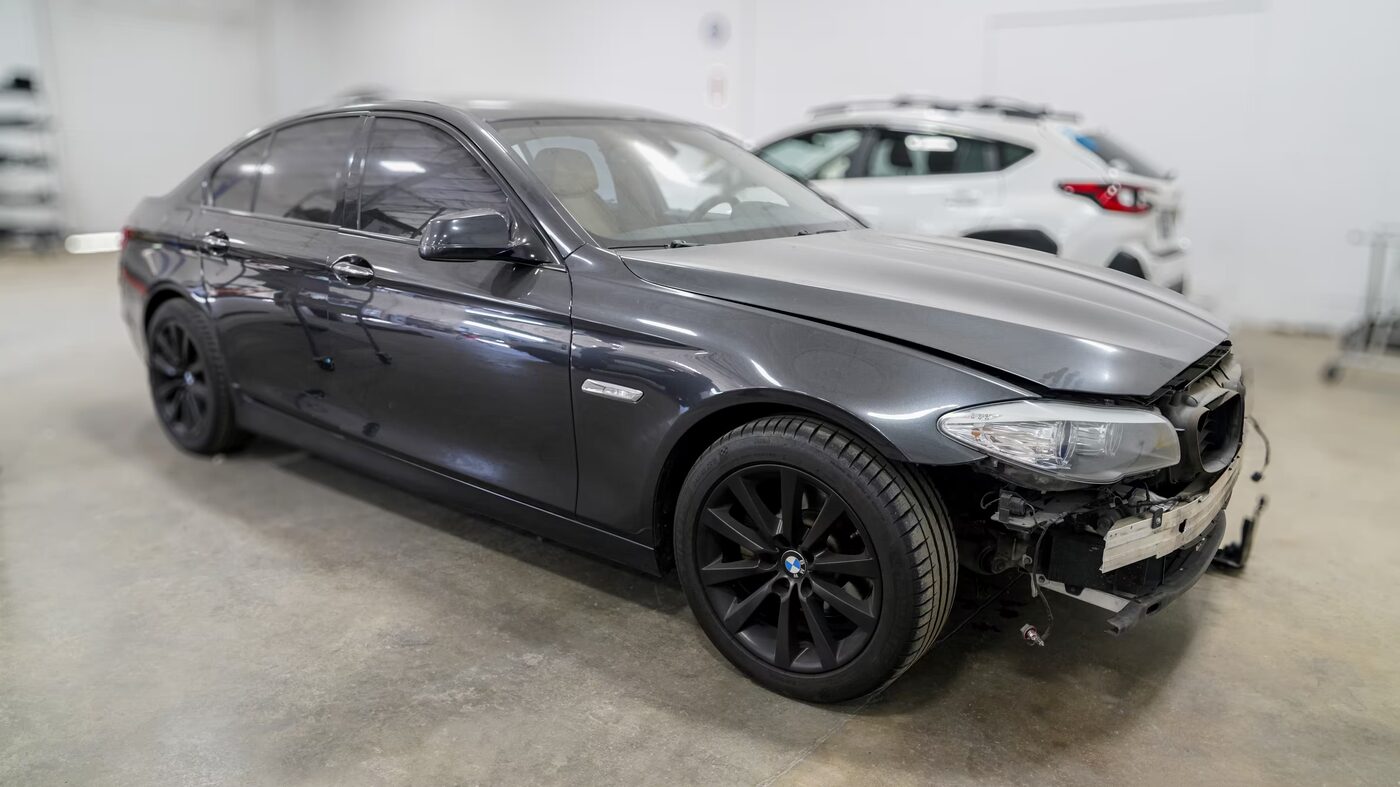
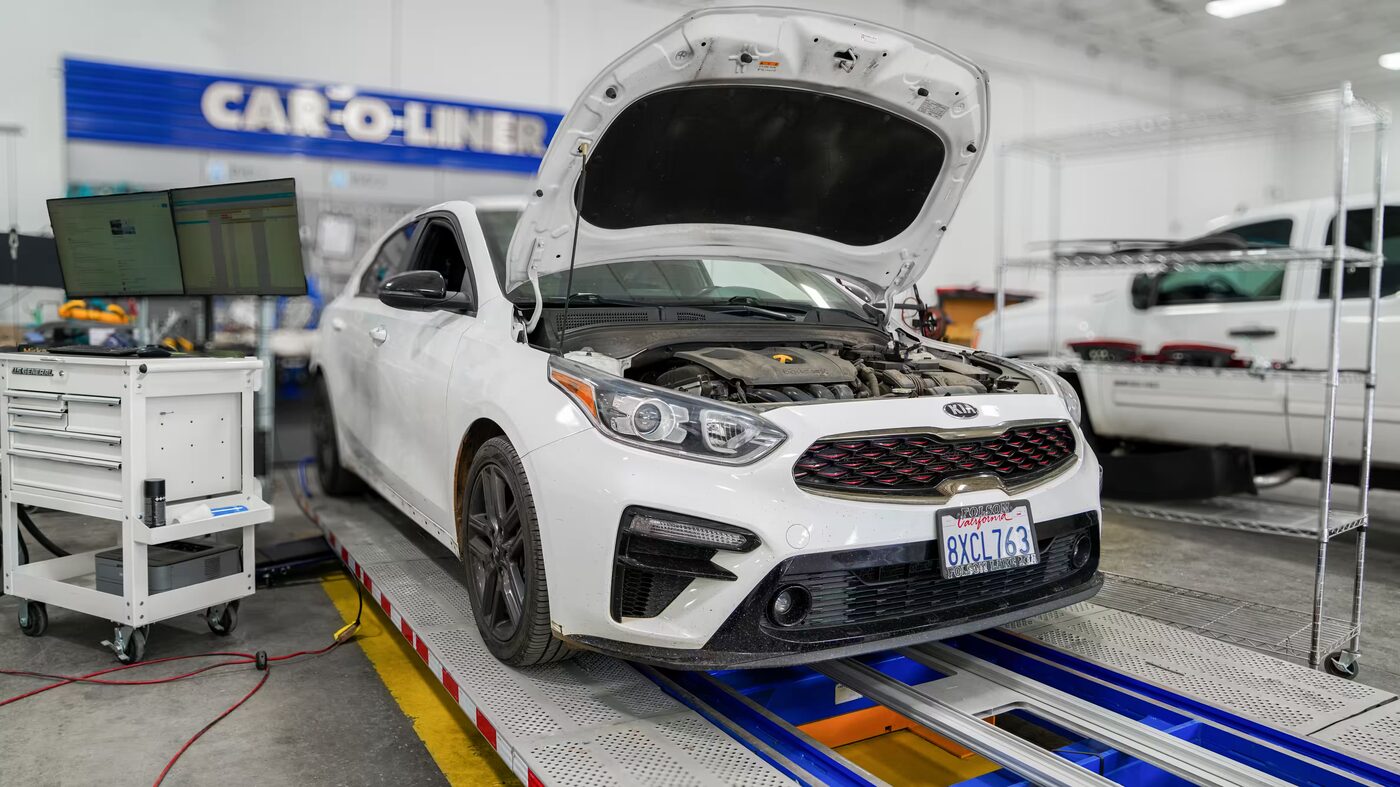

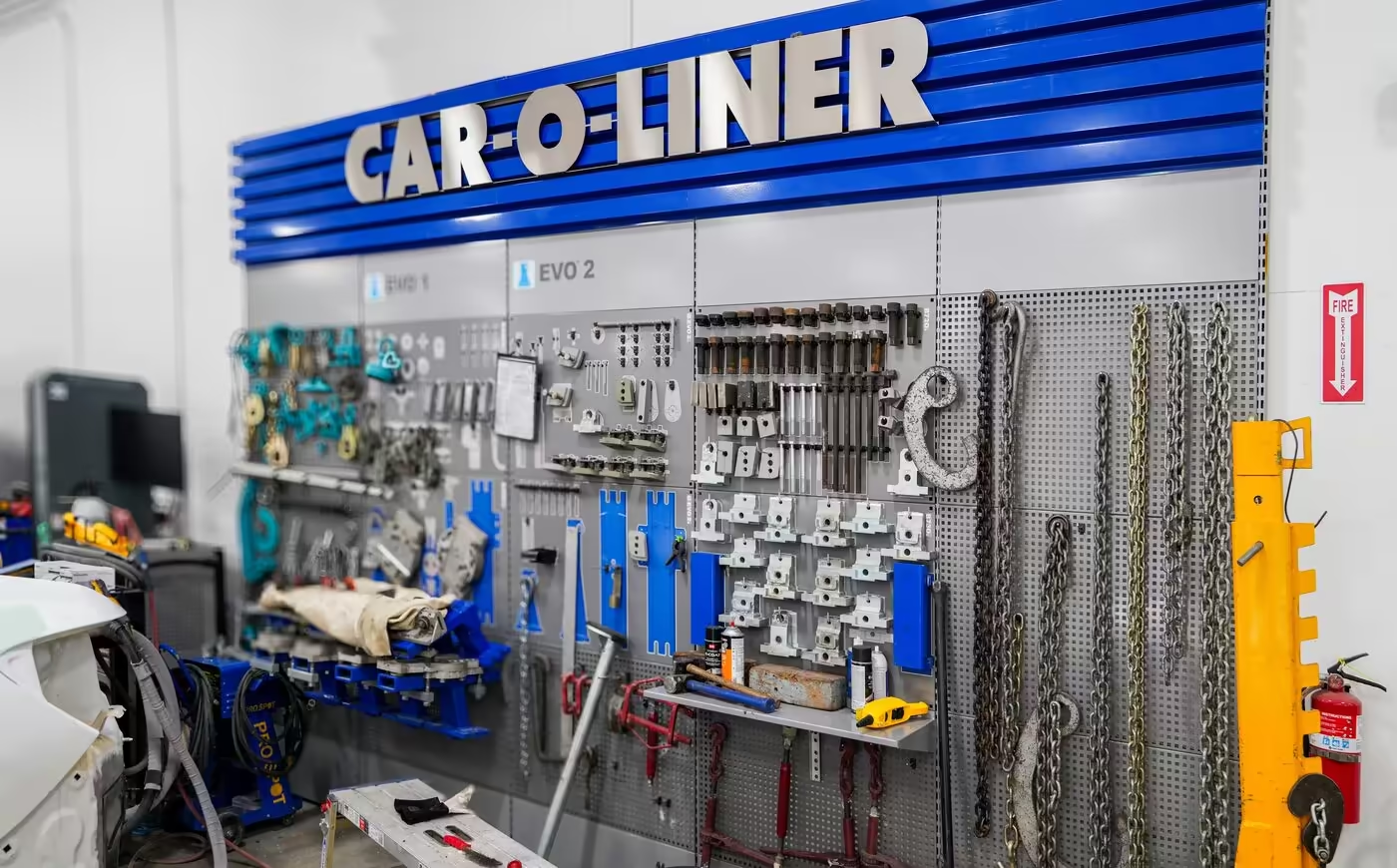
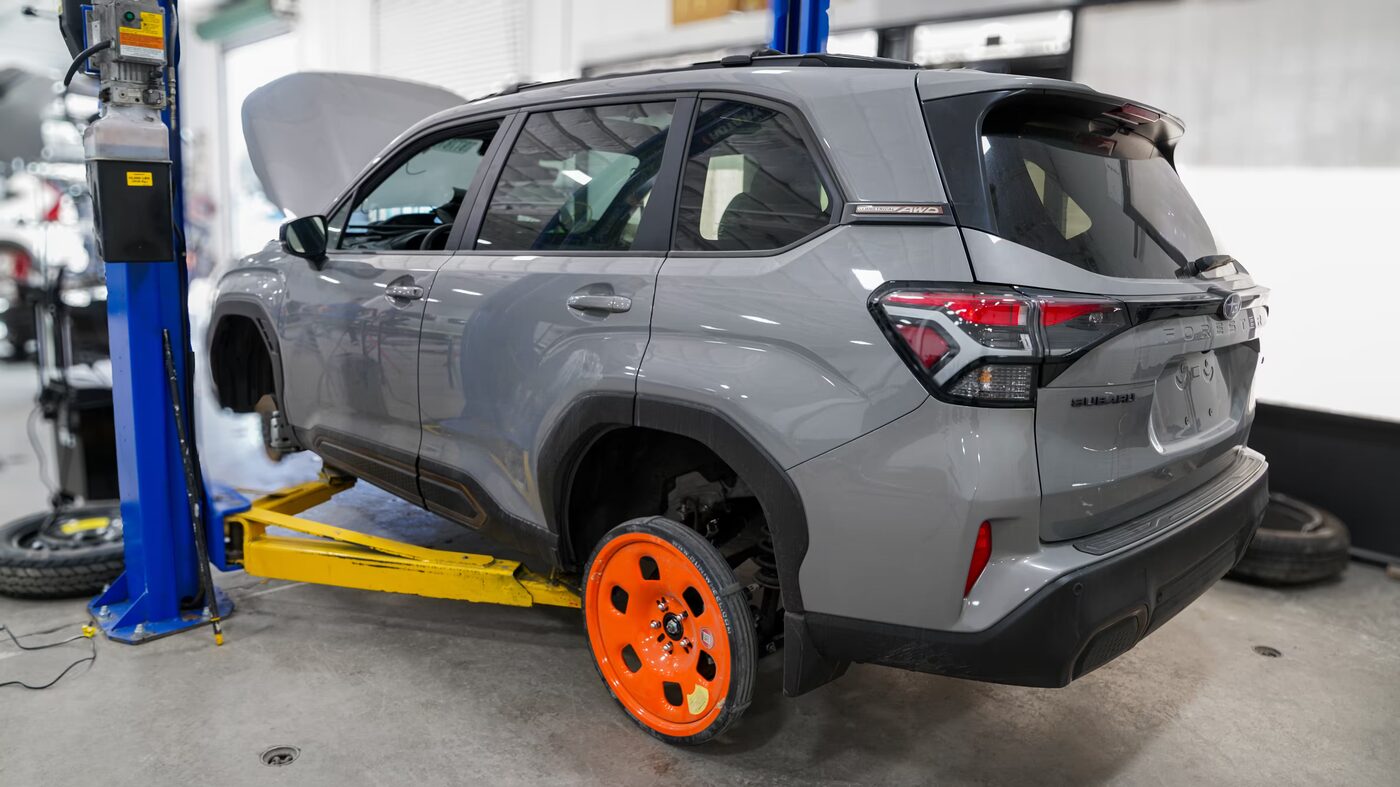
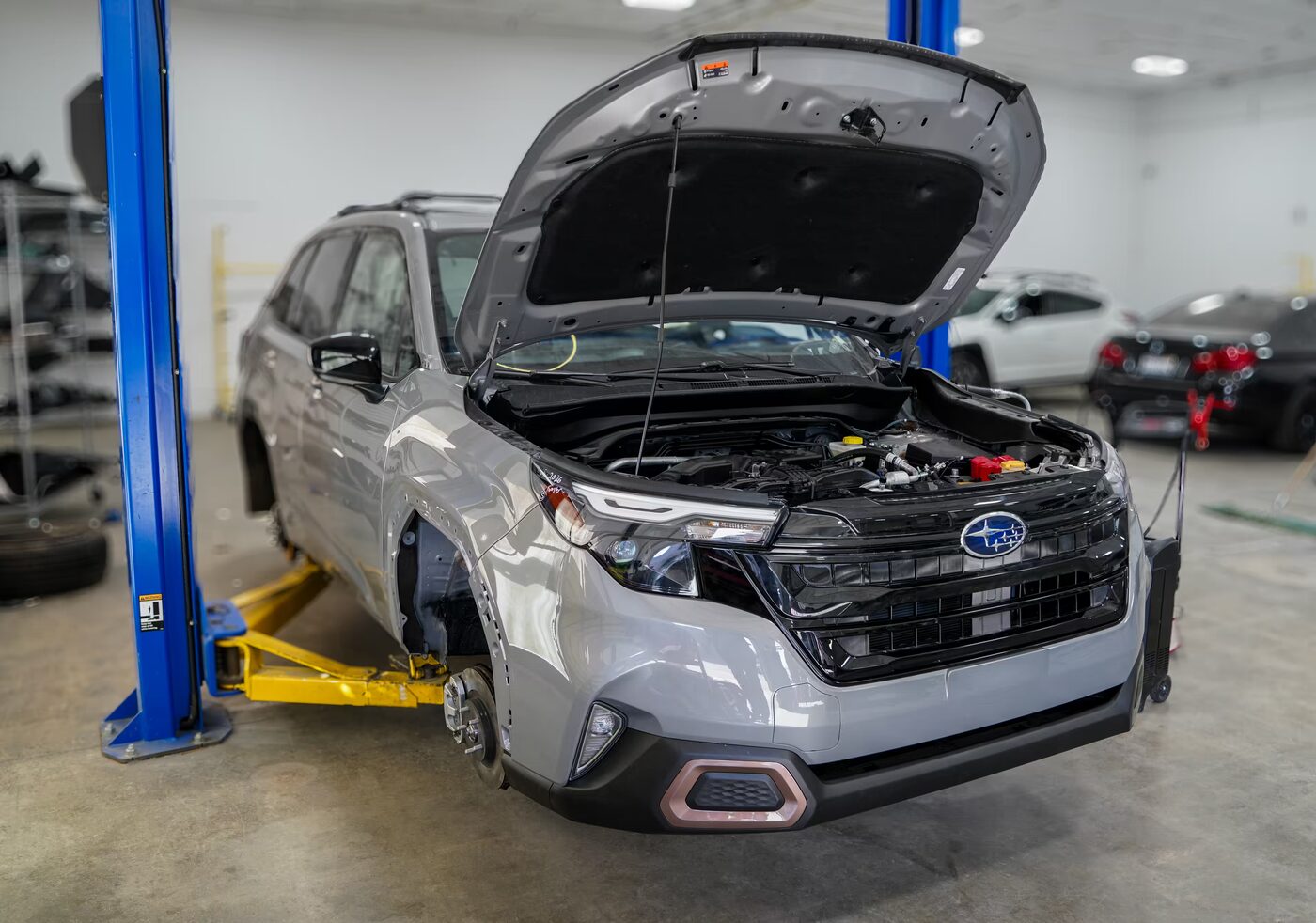
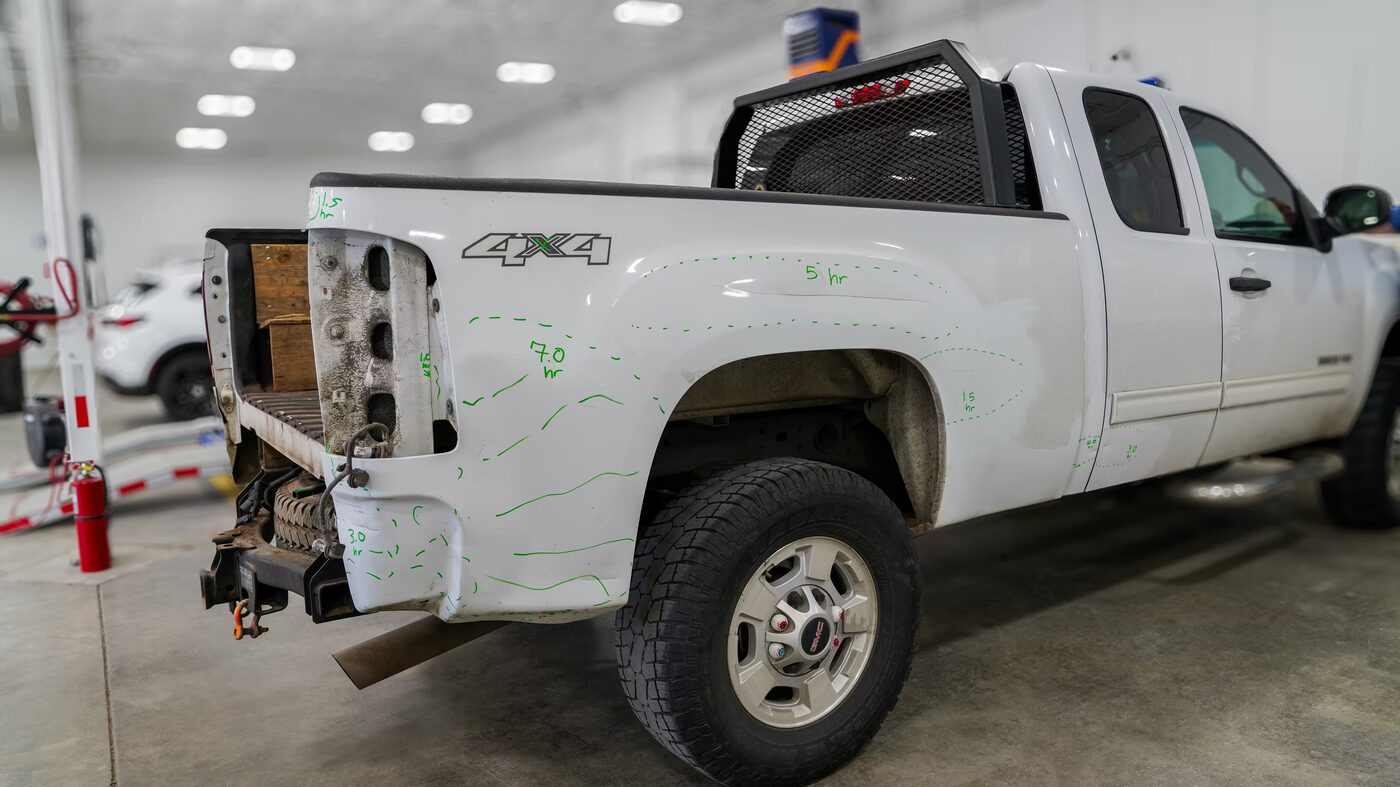
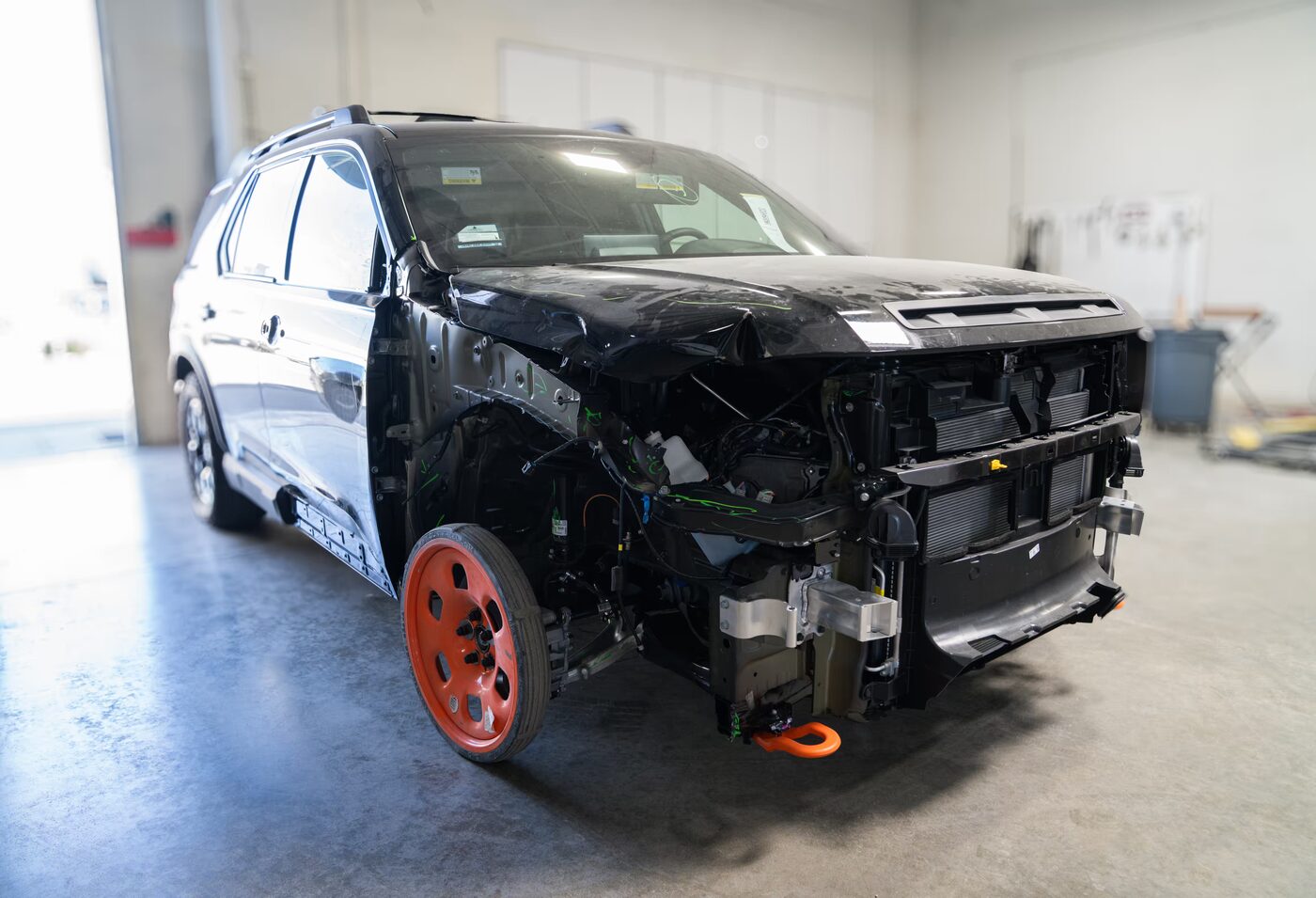
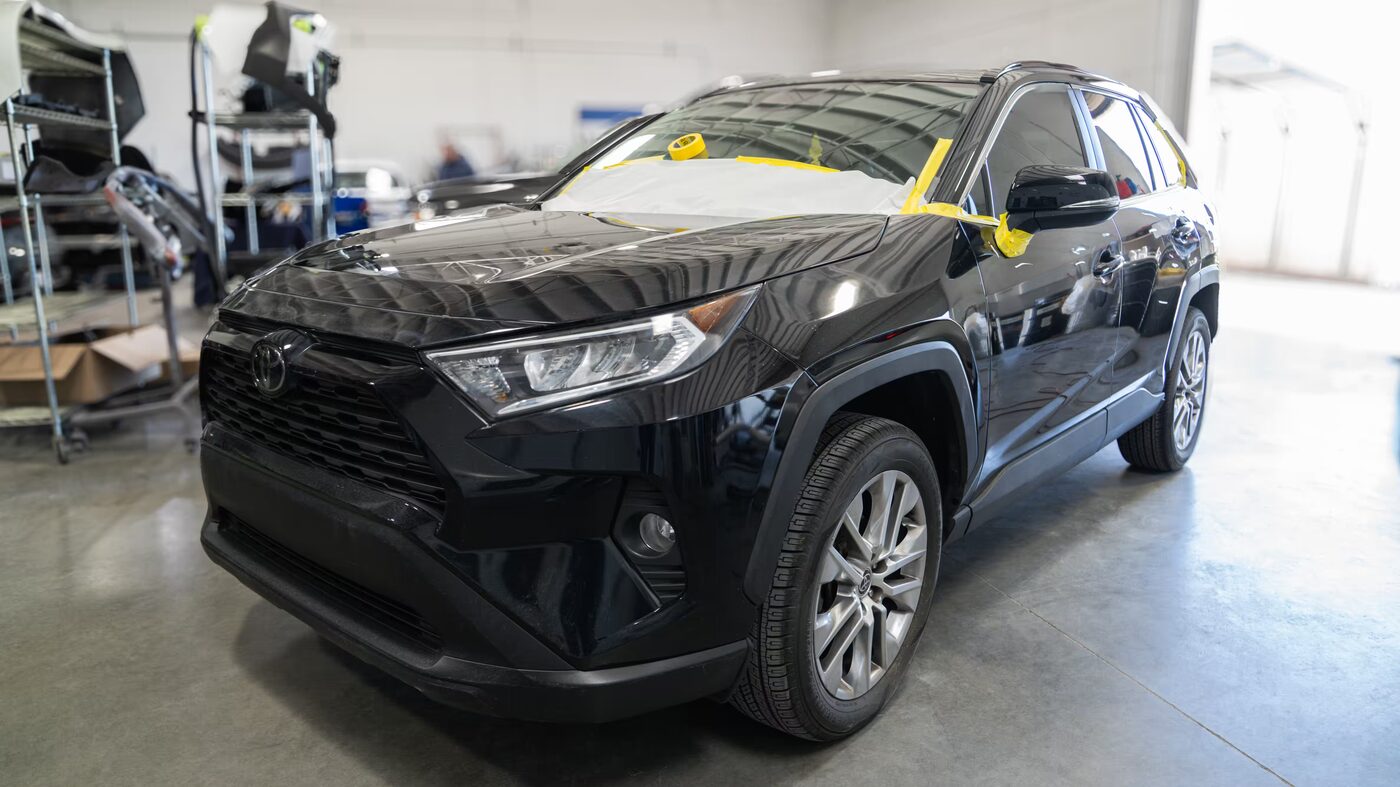
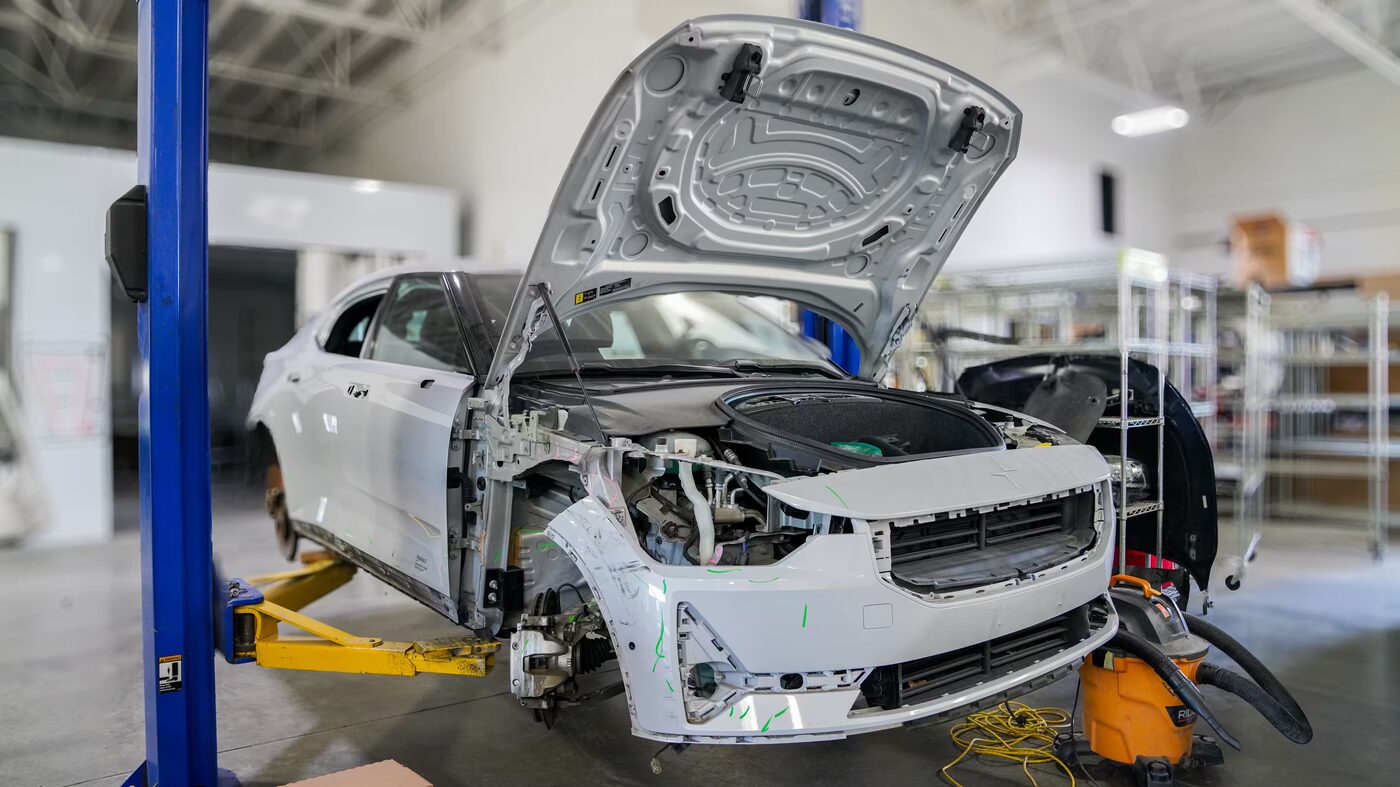
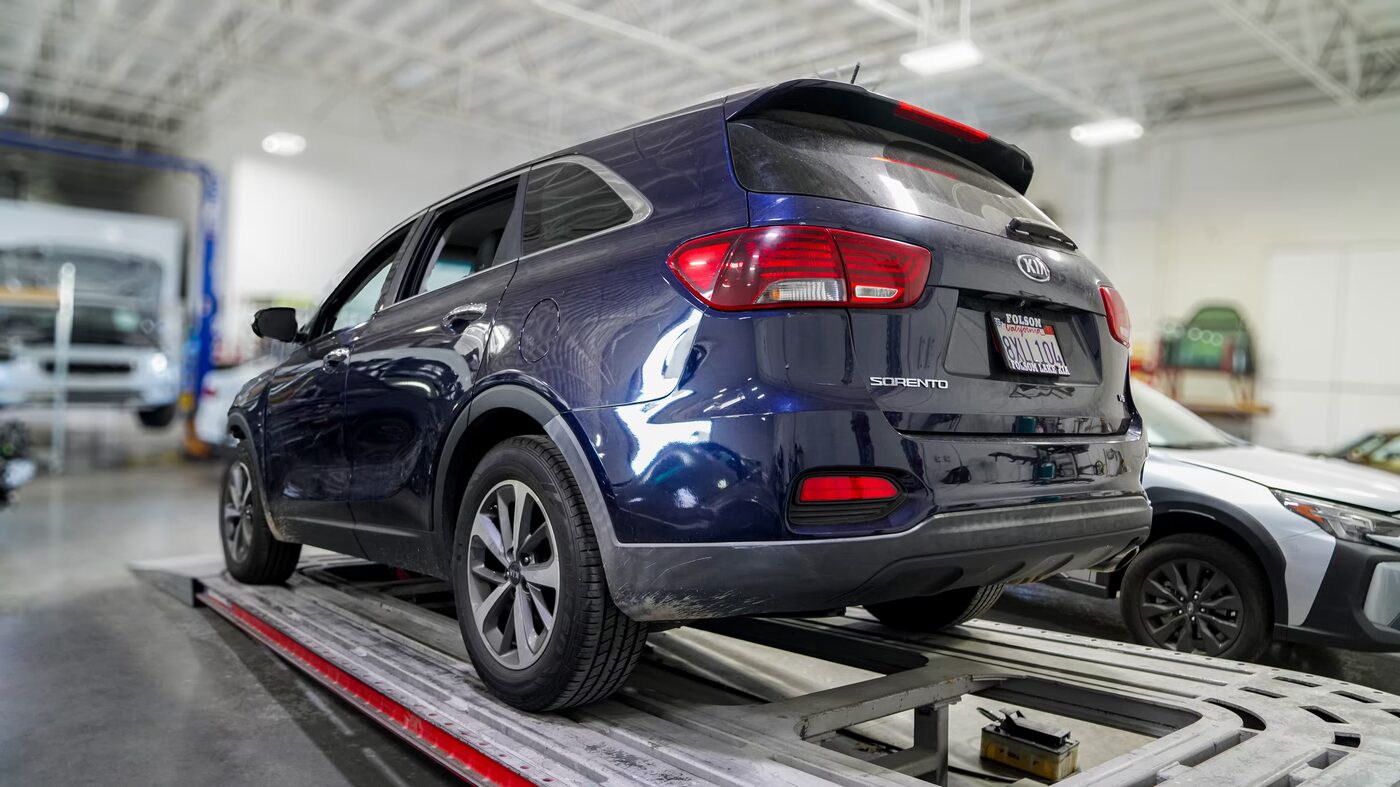
Trusted by drivers for reliable repairs, advanced technology, and expert care.

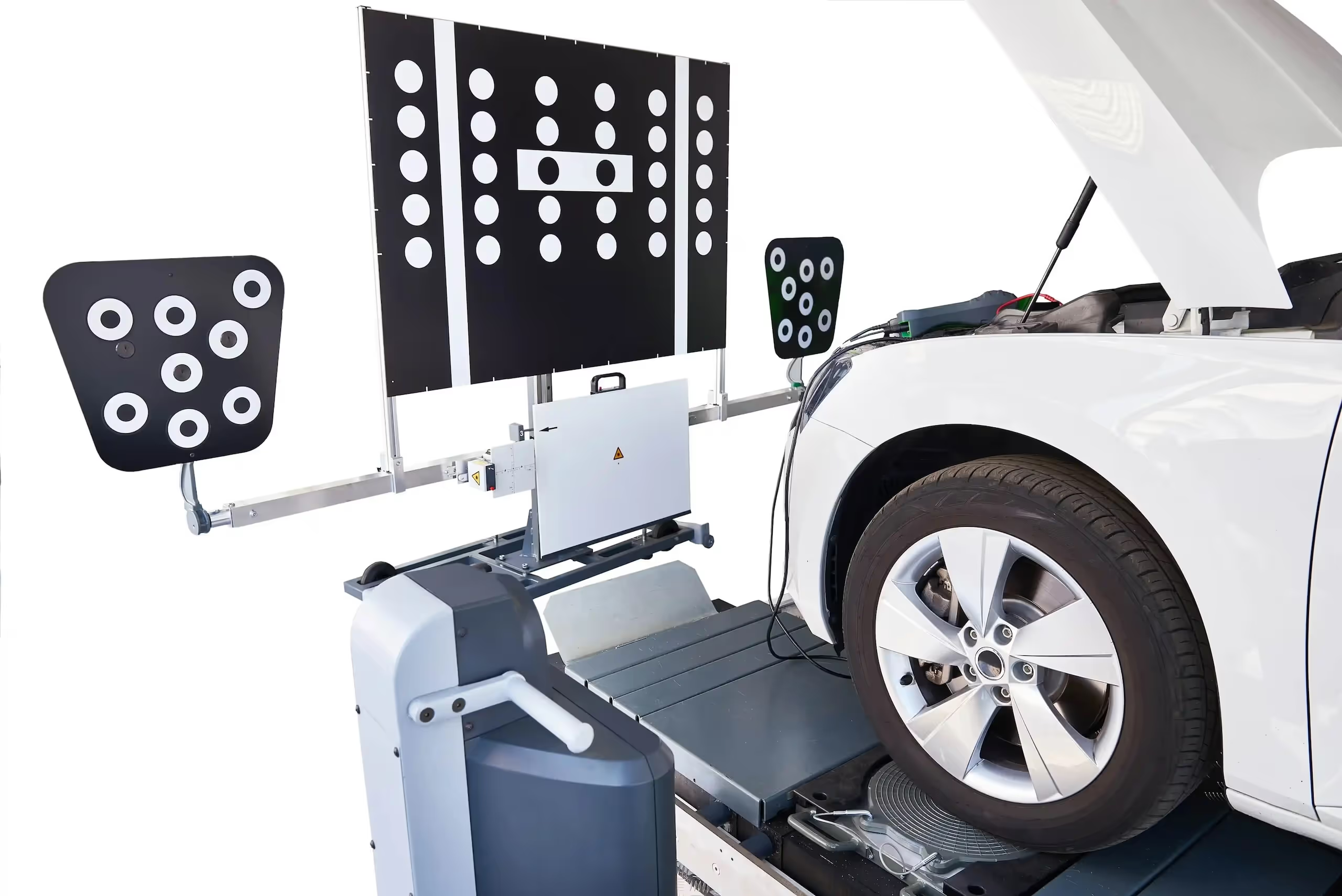
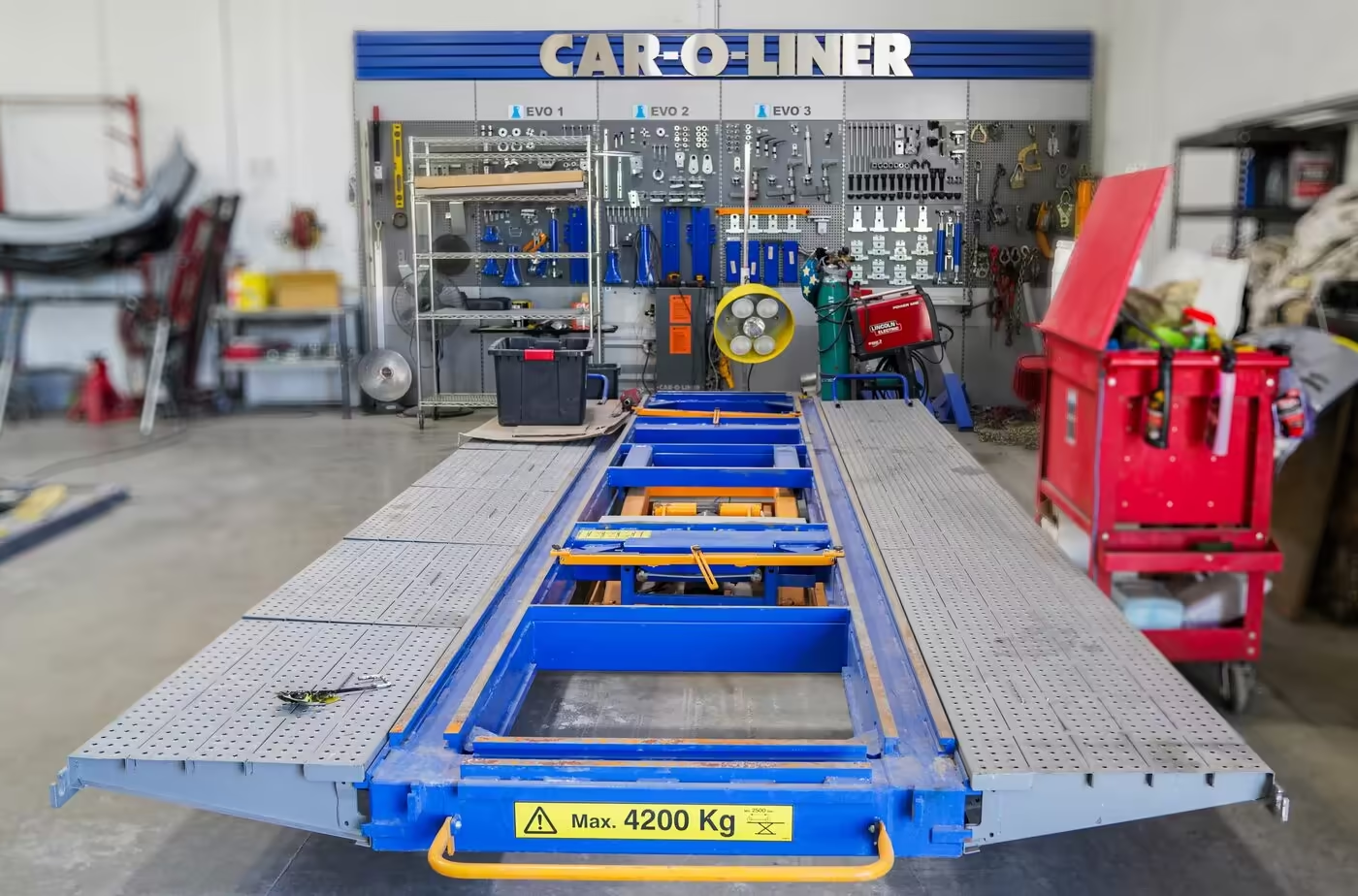
We use state-of-the-art equipment, including ADAS calibration and precision repair tools, to ensure accurate results.

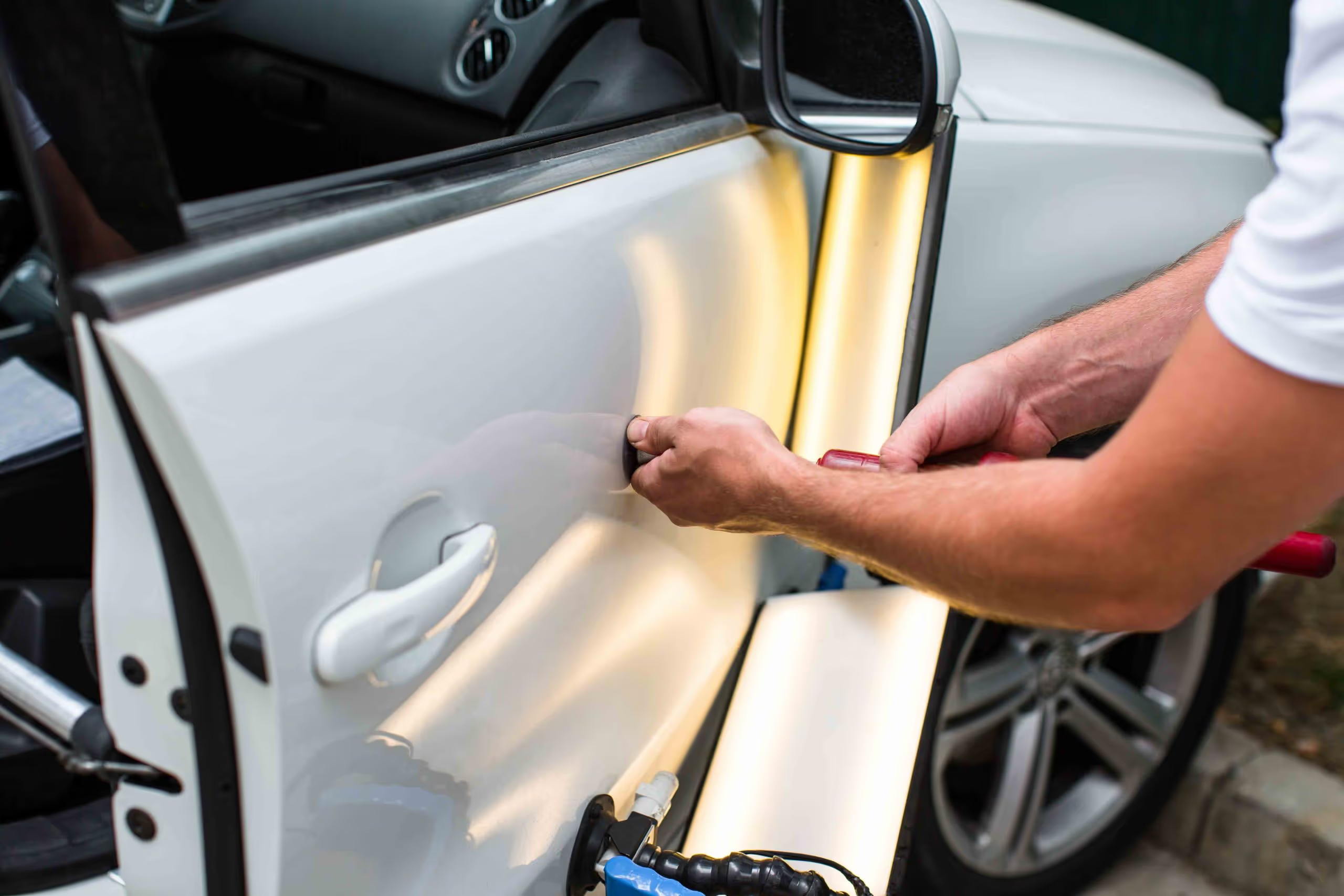
From dent removal to full collision restoration, our work meets the highest industry standards.
We know how important your vehicle is — that’s why we focus on timely repairs without cutting corners.

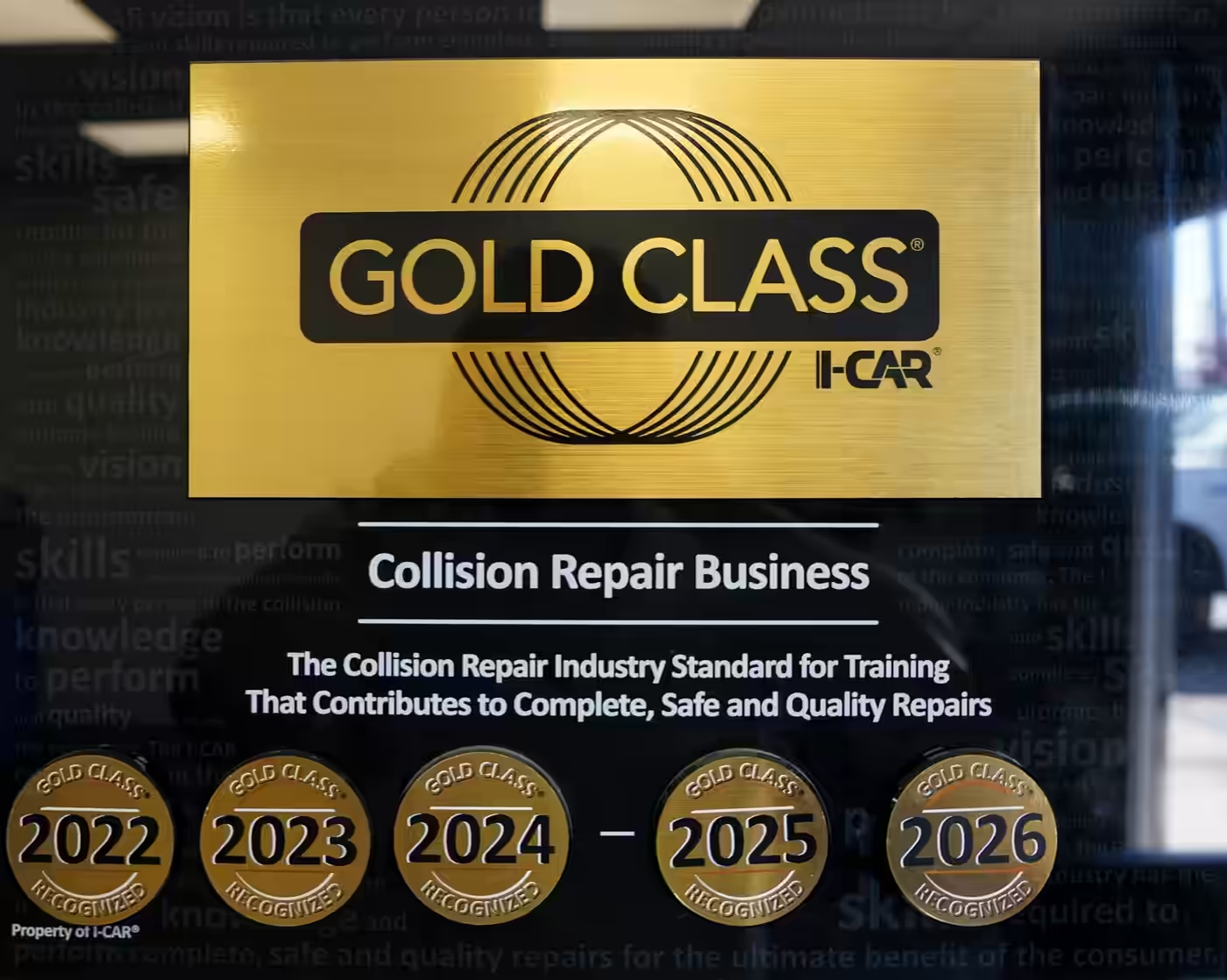
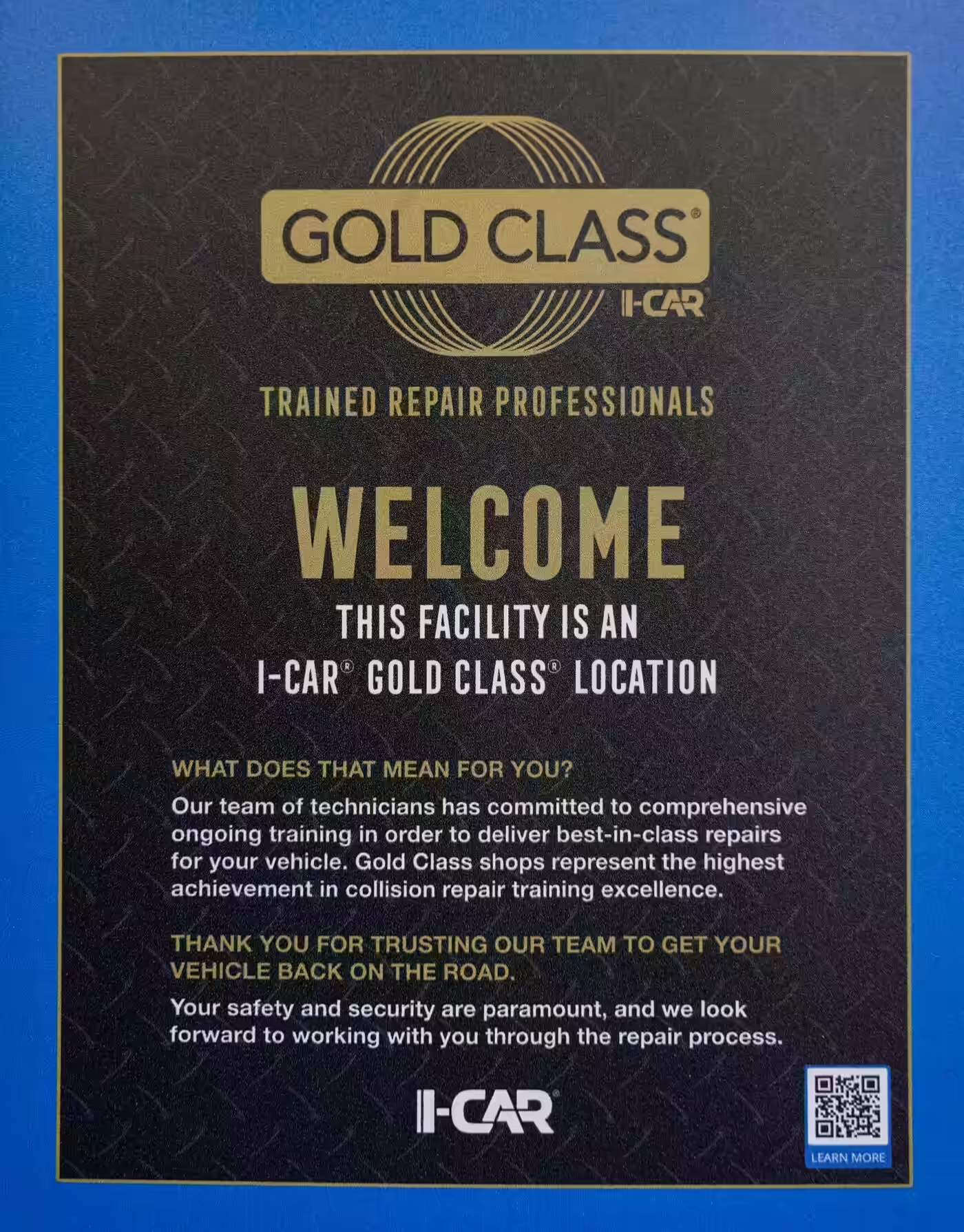
Our experienced team is I-CAR certified and trained to deliver expert craftsmanship every time.

Why Choose Pro Collision Center for Collision Repair Services in Sacramento?
At Pro Collision Center, we bring more than ten years of service and experience with over 50,000 clients to collision restoration. Our certified technicians coordinate bodywork, structural correction, premium materials and refinishing around the damage found on your vehicle. CSN membership and assistance with insurer communication add support throughout the job. We back our workmanship with a lifetime warranty while you own the vehicle, subject to its written terms. Reviewing those terms alongside the estimate makes the repair scope and aftercare clear from the start.
How Does the Auto Body Service Process Work from Inspection to Final Quality Control?
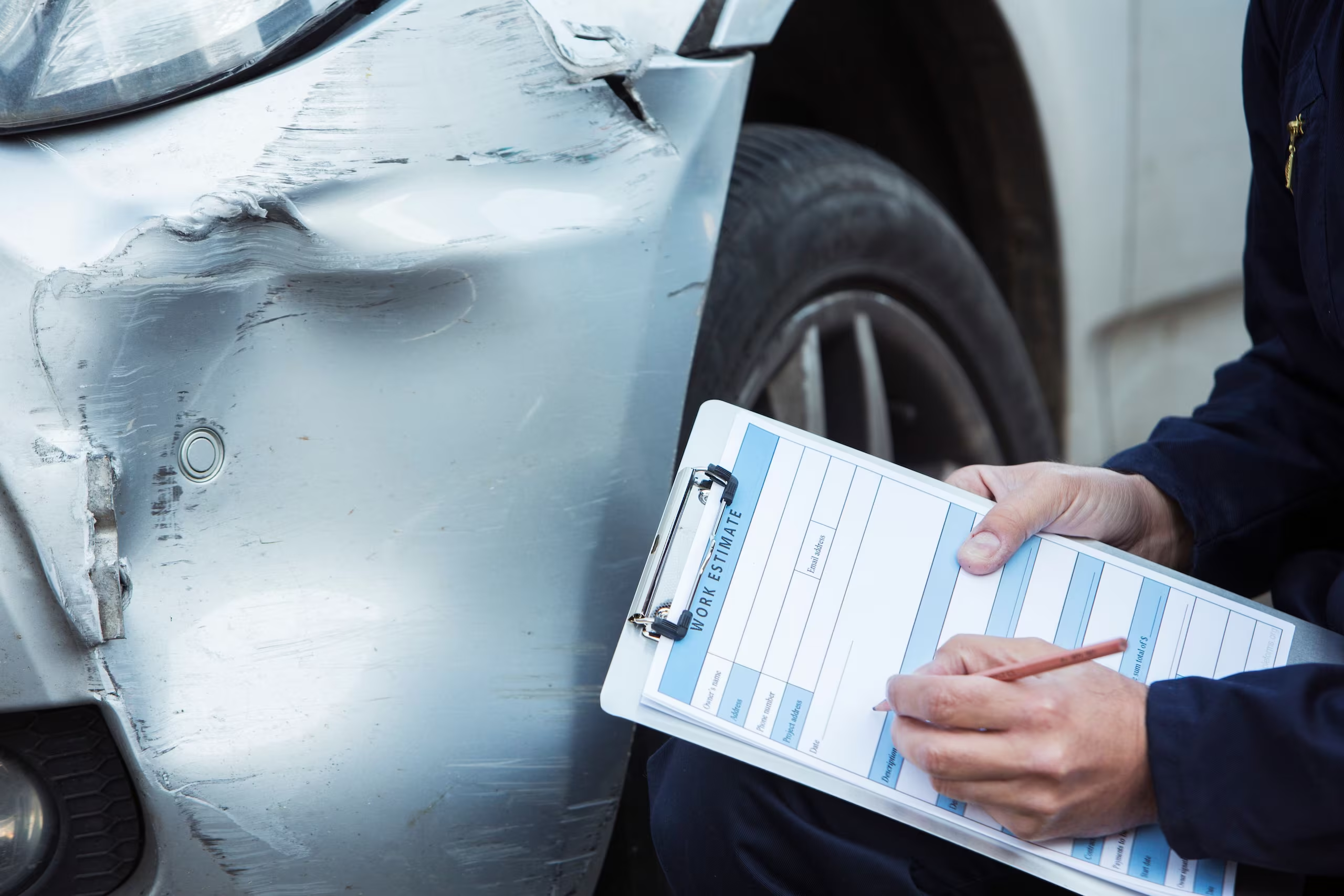
The estimate is the starting point; a complete plan develops as the damage becomes accessible.
Record the vehicle condition, impact details and initial estimate.
Obtain authorization for the agreed inspection or disassembly.
Document concealed findings and resolve any changes in scope.
Order the specified parts and sequence structural, body and paint operations.
Reassemble components and complete required system calibration.
Inspect the finished work and review the repair with the owner at pickup.
Updates should identify what is complete and what is still waiting on parts, approval or verification. Delivery follows completion of the required checks, rather than the paint stage alone.
How Can You Schedule an Auto Body Repair Service in Sacramento?
Use our contact form or call the Sacramento North East center at (916) 885-1010 to request an estimate. Share the vehicle year and model, where it was hit, visible damage and any changes in steering or dashboard warnings. Include a claim number if you already have one, along with useful photos. We can then arrange an inspection and discuss safe vehicle delivery. Review the resulting repair proposal and authorize the agreed work before the repair begins.
What Is Included in Auto Body Repair Services?
The service includes the operations needed for the damage identified on your vehicle, rather than every operation on a standard menu. An authorized job can cover disassembly, structural and panel work, surface preparation, painting, reassembly and necessary calibration. Parts and materials are selected for those tasks, and additional findings may require a revised estimate. Final checks review the repaired areas, component fit and the systems involved in the repair. Your invoice should make it possible to understand what was actually completed.
What Should You Consider Before Choosing an Auto Body Shop Service?
Compare the proposed work before comparing the final total. A useful estimate explains the affected areas, parts choices, refinishing scope and any operations that depend on teardown. Ask who will discuss supplements with your insurer, how you will receive updates and which warranty terms apply. California's auto repair consumer rights guidance explains that policyholders may select their body shop. Shop selection does not itself determine insurance coverage, so confirm the deductible and any customer-pay items before authorizing repairs.
How Do OEM-Grade Parts and Paint-Matching Methods Affect Repair Quality?
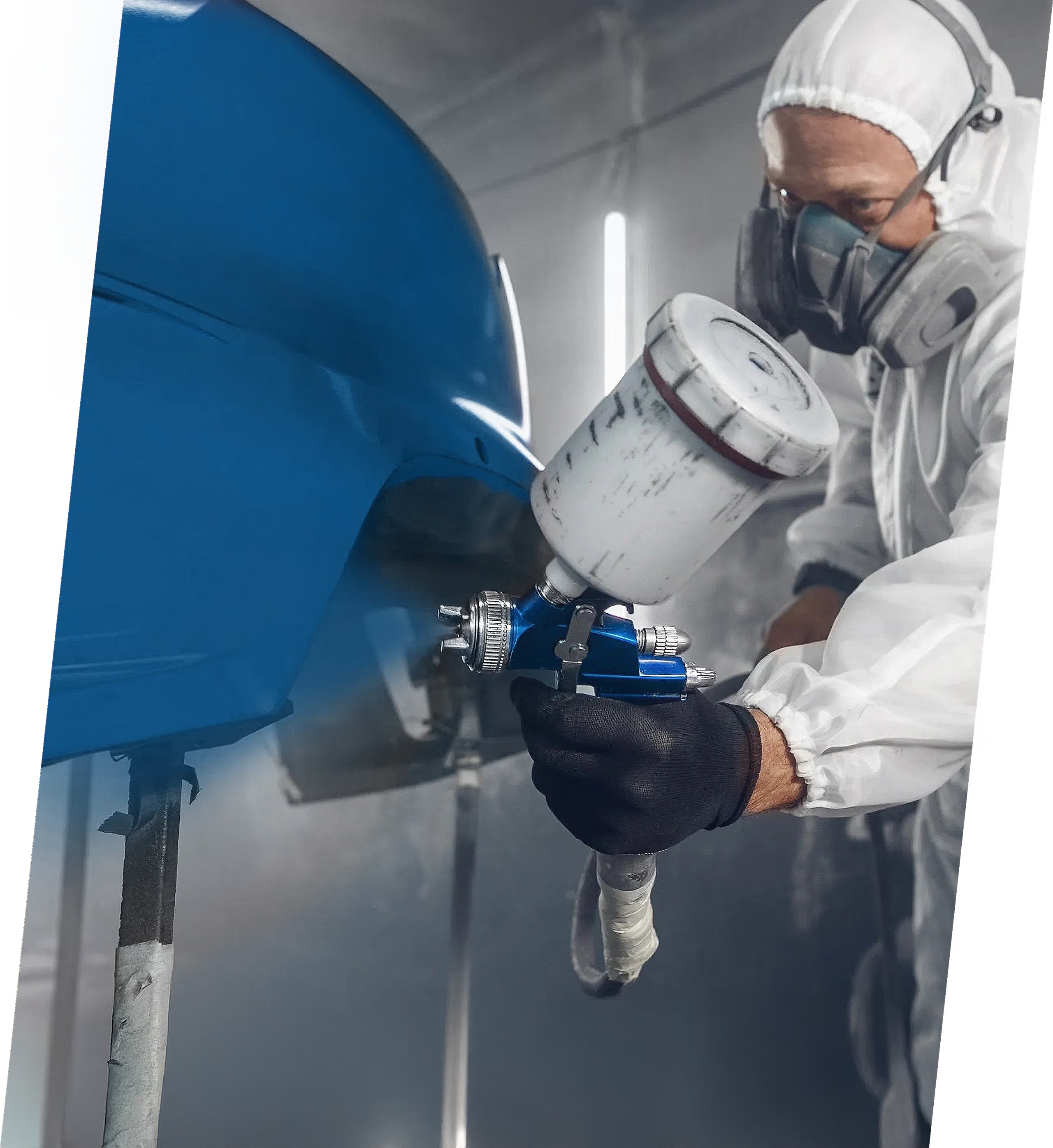
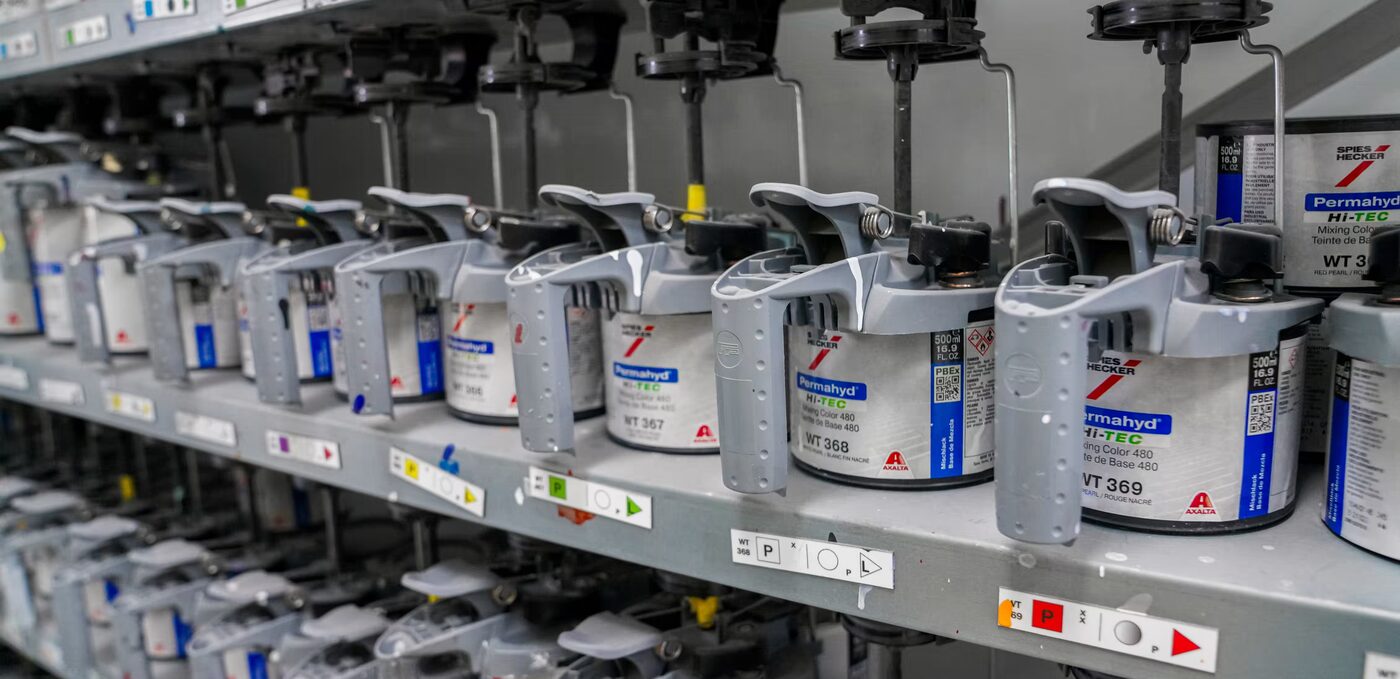
A replacement panel must fit the vehicle's mounting points and work with its surrounding materials. Its description on an estimate should identify the actual parts category, because the term OEM-grade alone does not explain who made it. Refinishing combines compatible preparation products, primers, color coats and clear coat, with blending used where an abrupt paint boundary would remain visible. Manufacturer procedures also guide joining methods and corrosion protection. If a repair affects a camera or radar installation, the specified checks and calibration remain part of repair quality even when the finish looks complete.
How Do Technicians Diagnose hidden structural and safety damage during collision work?
Teardown gives technicians access to areas that a walk-around inspection cannot reveal. Computerized measurements are compared with vehicle reference dimensions, while suspension checks, panel alignment and diagnostic scans help connect visible damage with less obvious faults. Scott Kaboos, an I-CAR technical specialist and ASE Master Collision technician, emphasizes establishing where impact-related deformation ends. Sensor locations and mounting points are then checked against applicable repair information, with calibration requirements included in the plan. Scan results support this assessment; they do not replace physical measurement.
What Vehicle Damage Can Professional Collision Services Address?
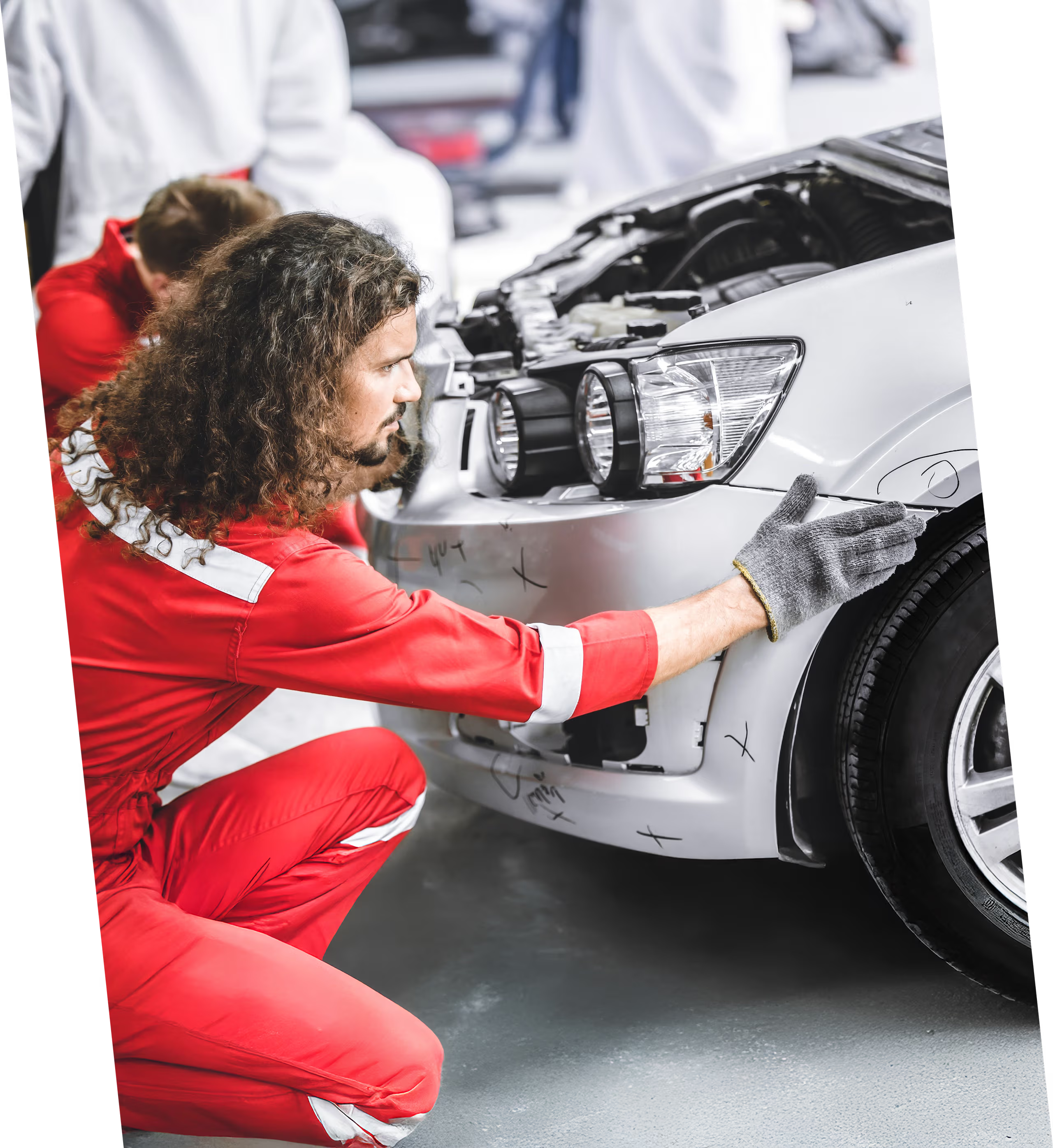
Professional collision work can address both the visible impact area and components affected behind it. Typical findings include:
Dented, creased or displaced exterior panels.
Cracked bumper covers and damaged attachments.
Distorted structural sections or suspension mounting areas.
Scratched paint and disrupted protective coatings.
Damaged wiring, sensor brackets or driver-assistance components.
Some parts can be restored, while others require replacement under the vehicle manufacturer's instructions. The inspection establishes that distinction before a repair method is recommended.
Who Needs Auto Body Repair Services?
An inspection is worth arranging whenever an impact changes the vehicle's appearance, fit or behavior. That includes drivers dealing with a parking dent, a loose bumper, a door that no longer closes normally or damage from a substantial crash. Paint damage also deserves attention when it exposes the underlying material. Steering changes, unusual noises or new safety warnings make the assessment more urgent; describe those symptoms when contacting the shop so transport can be planned appropriately.
What Is Collision Repair Services?
Collision repair services bring the different parts of an accident repair into one coordinated job. The work begins by identifying damage, then may include structural correction, panel repairs, paint refinishing and attention to affected driver-assistance systems. A bumper scuff needs a different plan from an impact that moves a frame rail or damages a radar mounting point. At Pro Collision Center, the agreed repair scope determines which operations are needed before the vehicle is inspected for delivery.