

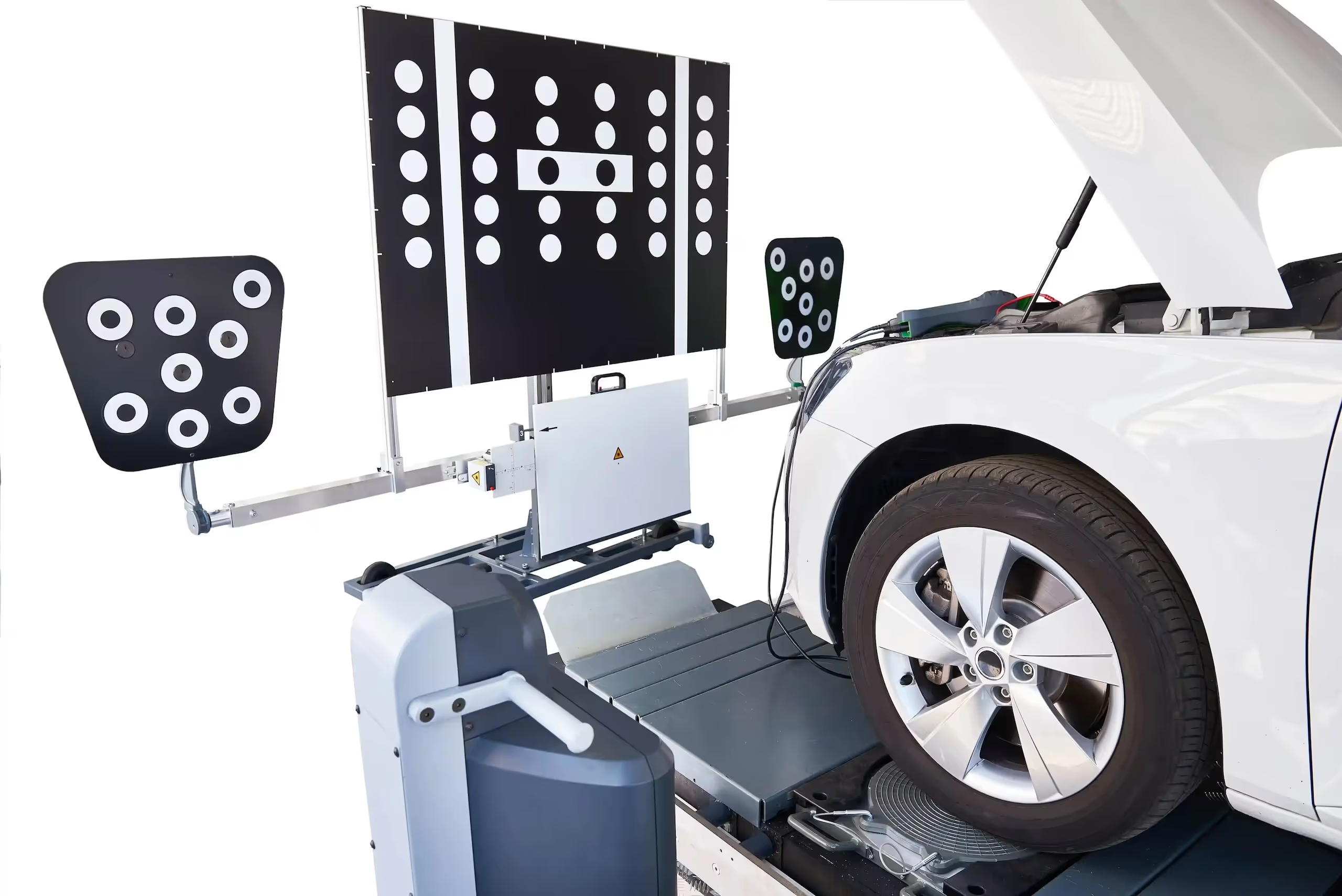

ADAS Calibration After Bumper Repair in Sacramento
Advanced Driver Safety Starts with Proper Calibration
Modern vehicles rely on a range of sensors, cameras, and radar to assist drivers — from parking to collision avoidance. After any repair involving bumpers, windshields, or panels, those systems must be recalibrated to function properly.
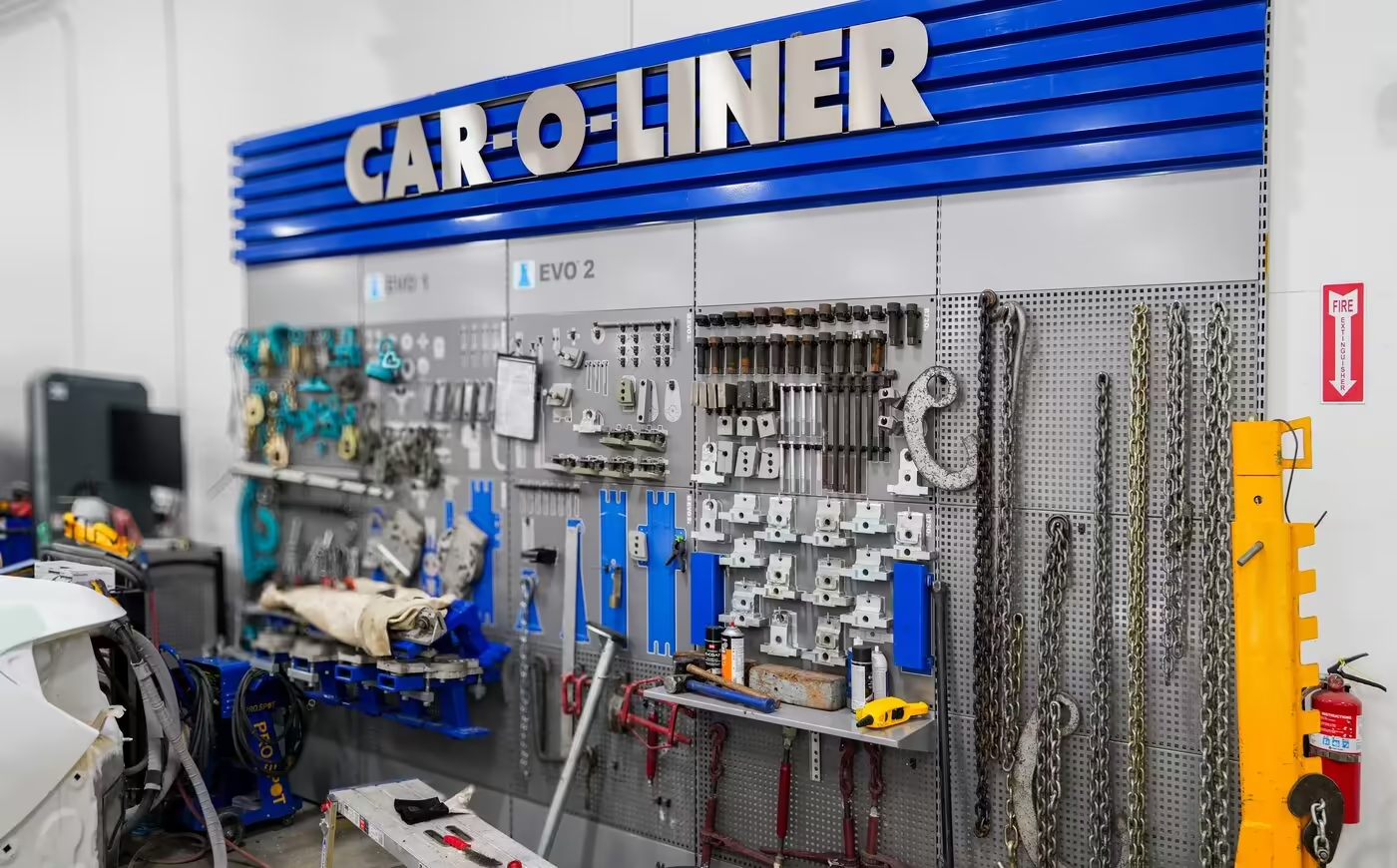
At Pro Collision Center, we specialize in Advanced Driver Assistance Systems (ADAS) calibration, restoring your vehicle’s built-in safety features to manufacturer standards.
Whether it’s your blind spot monitors, lane keep assist, or parking sensors, we ensure everything is functioning as it should — with zero guesswork.
“Your safety doesn’t stop at the repair — and neither do we.”
Included in this service:
- Factory-level ADAS recalibration tools
- Sensor diagnostics for blind spots and parking assist
- Camera and radar alignment
- System reset and post-calibration verification
- Compliance with OEM safety specifications
Worried your sensors haven’t read the road the same way since the accident? That’s a fair concern, and it’s something we can check. Our Sacramento North East shop handles calibration after a repair.



YOU CAN SEE

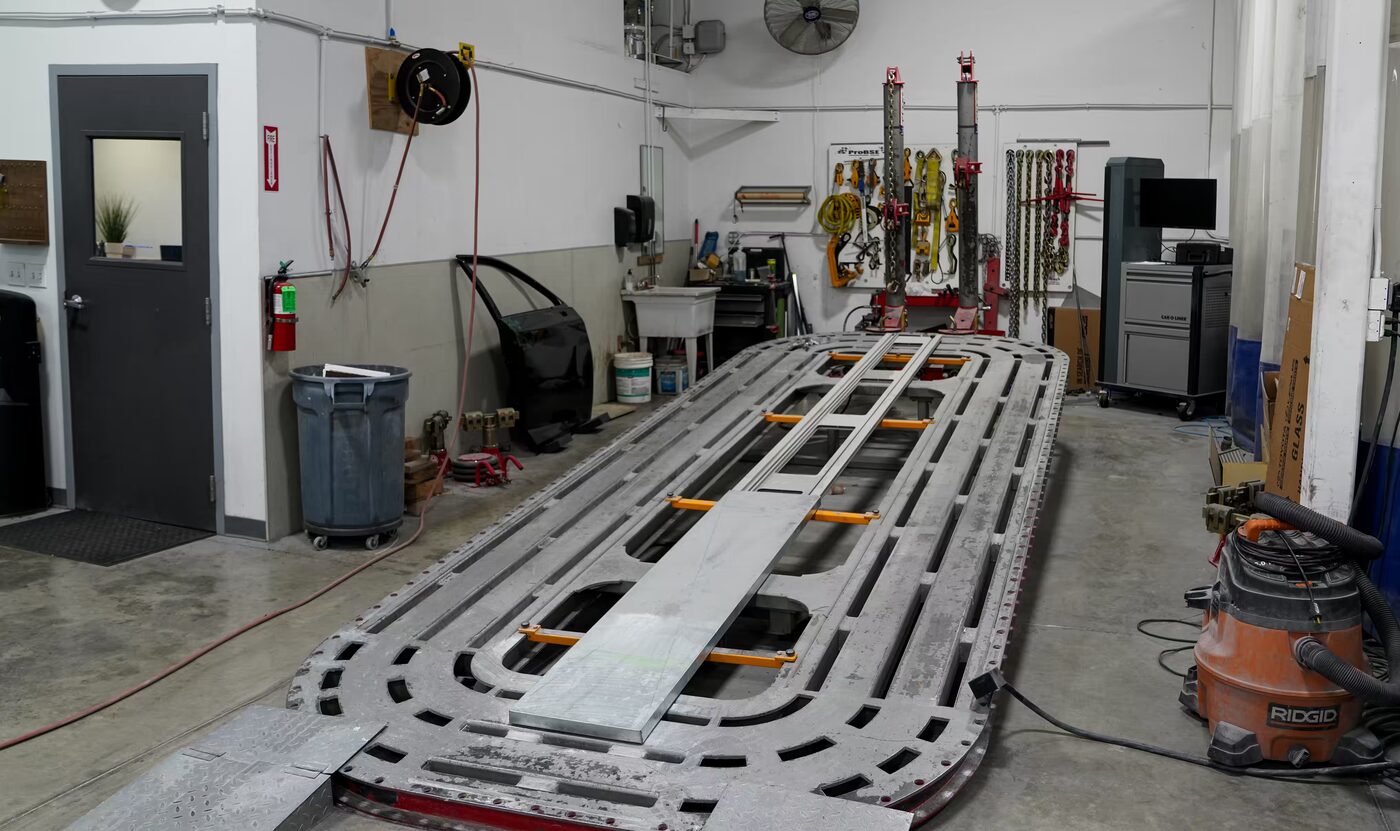
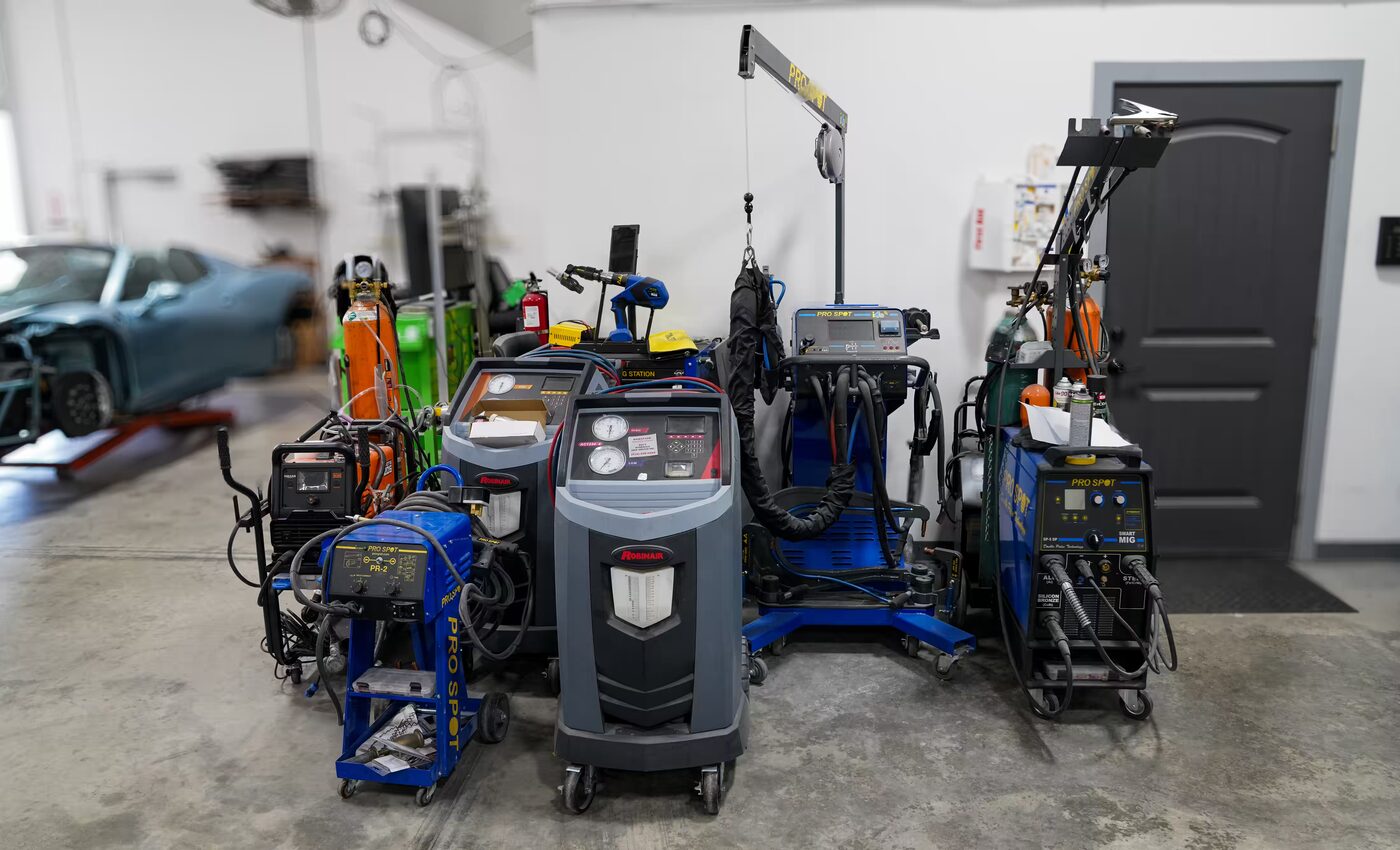
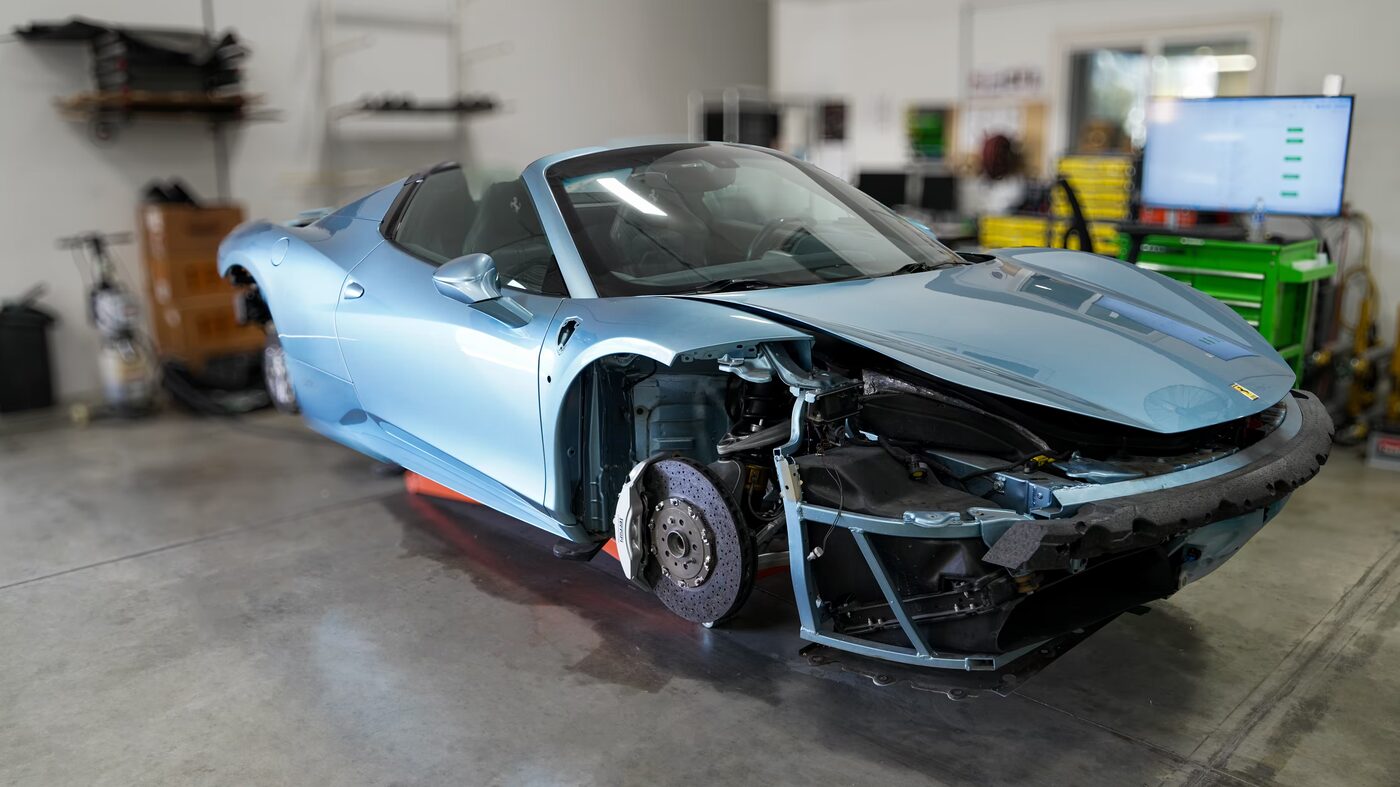
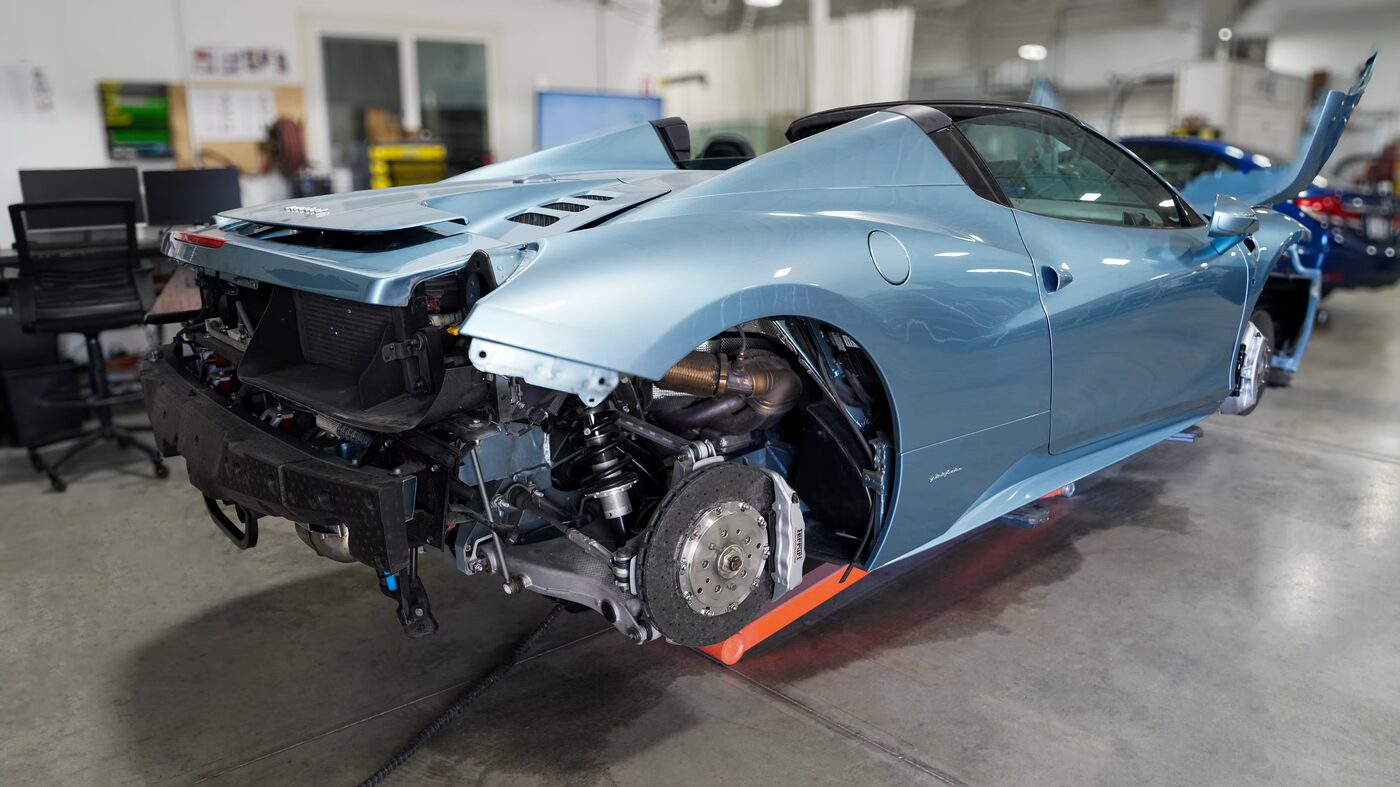
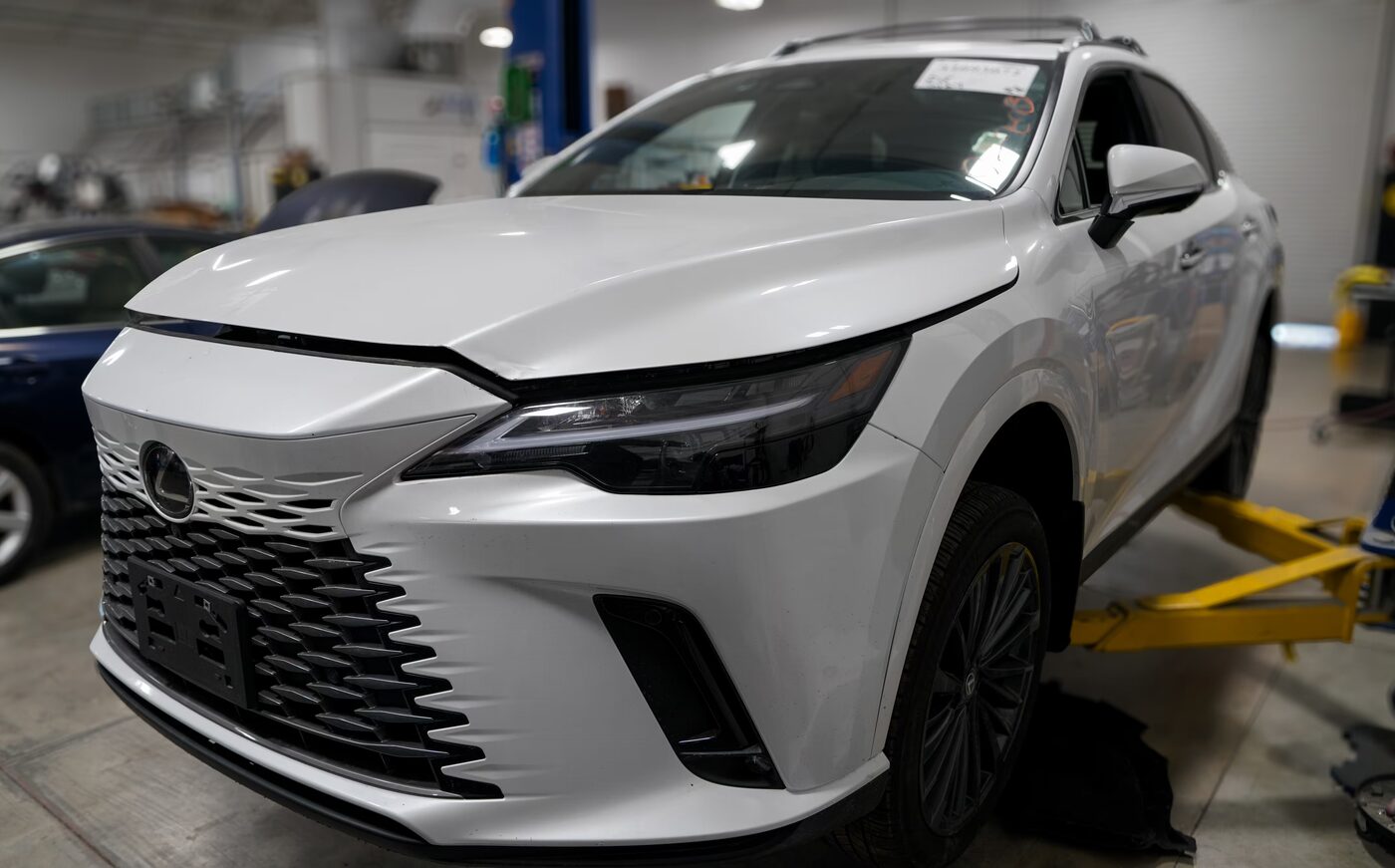
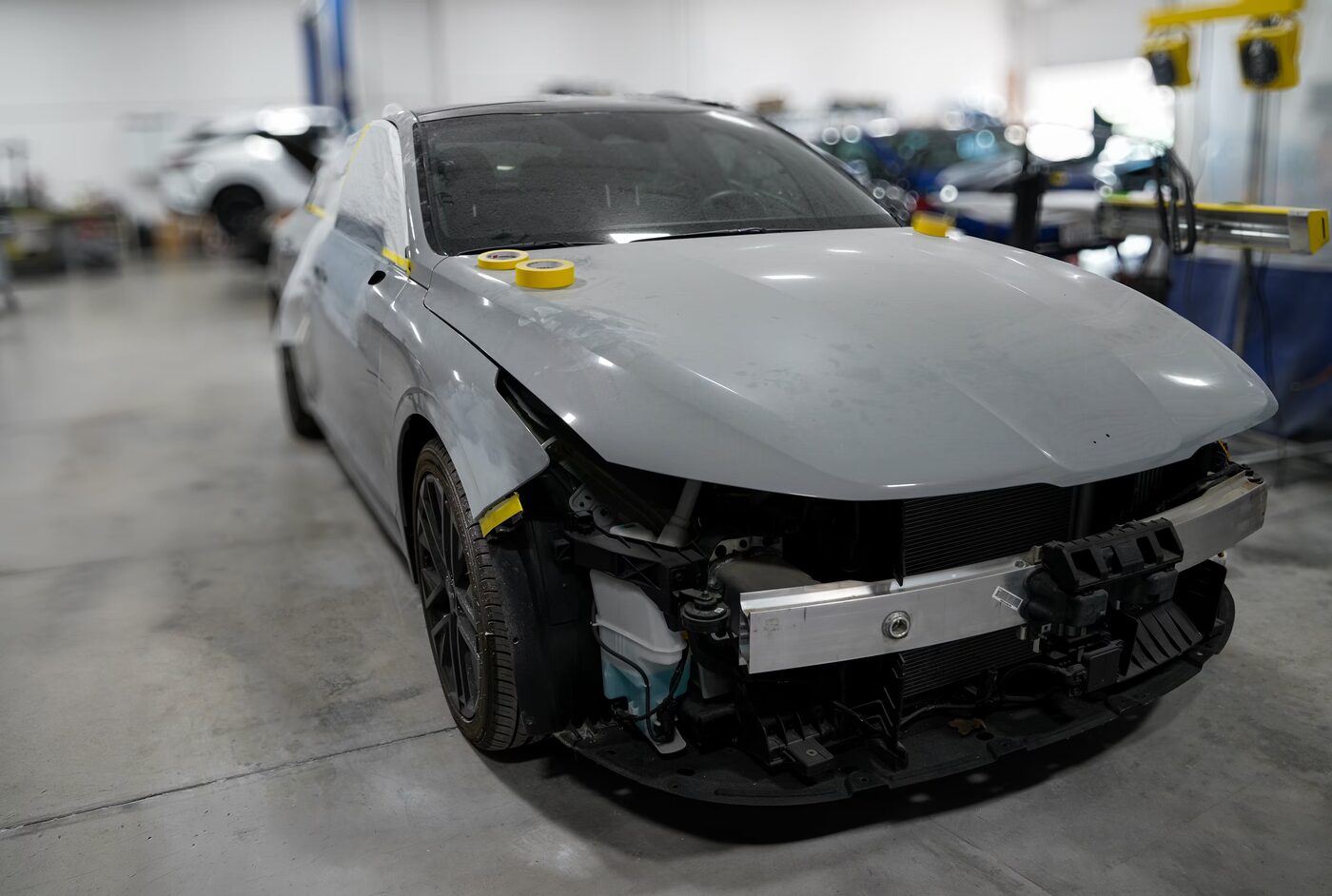
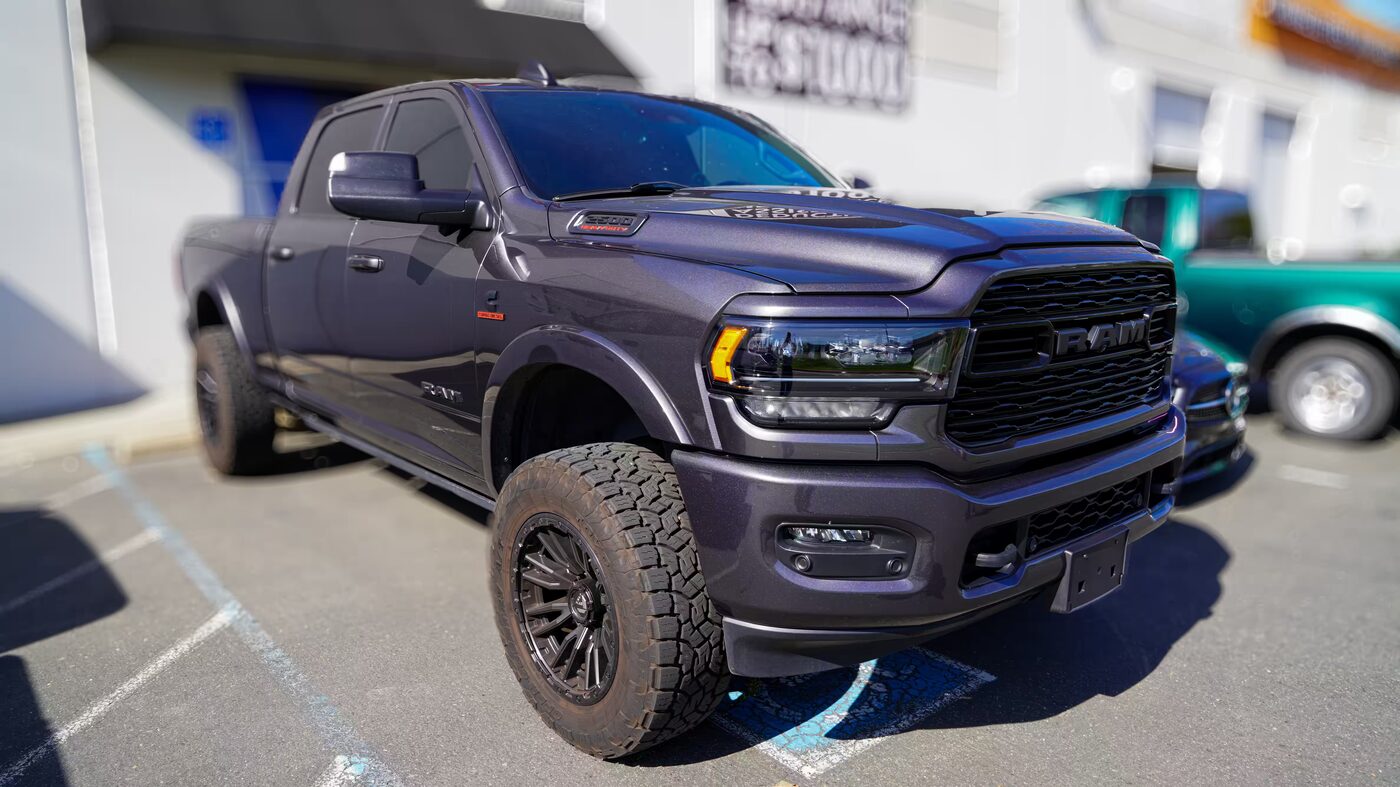
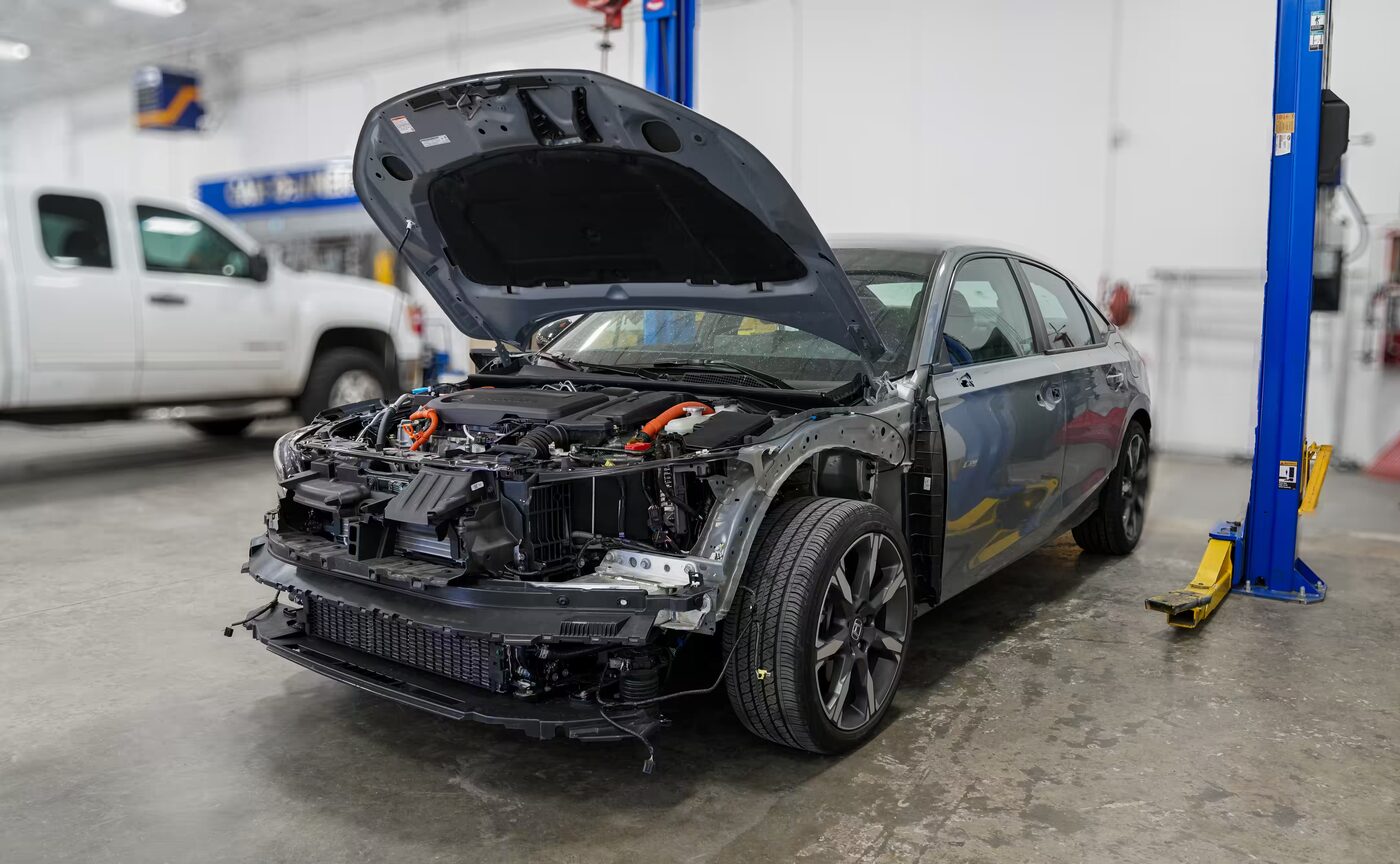
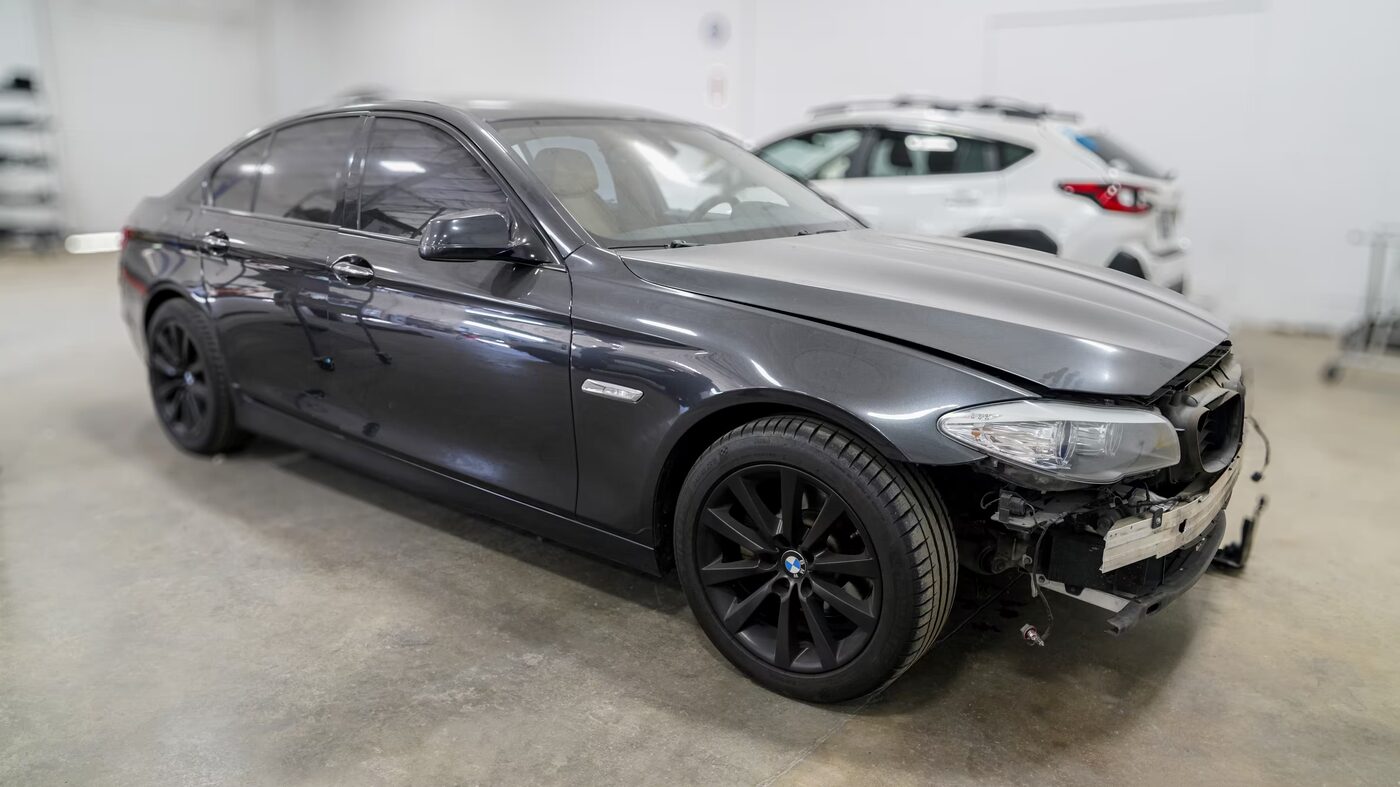
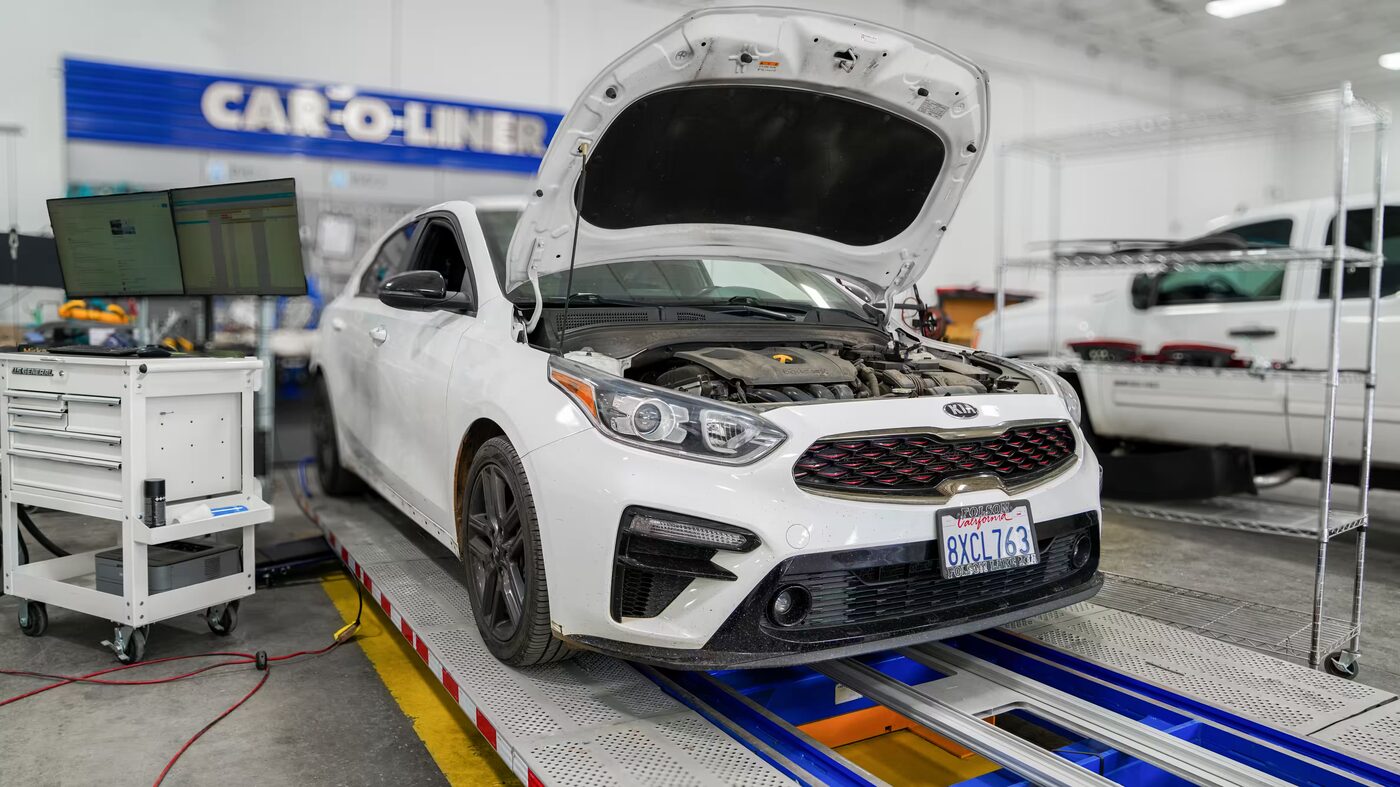

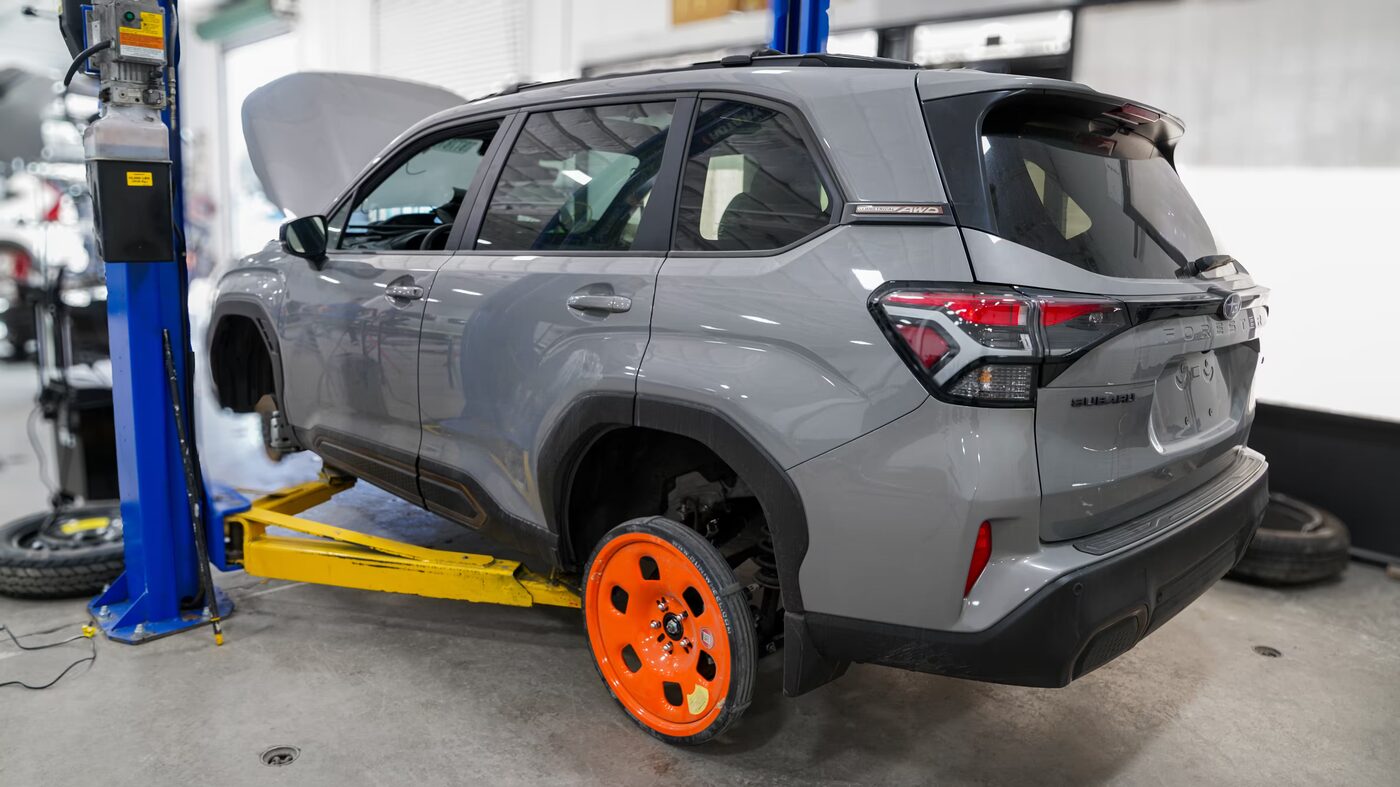
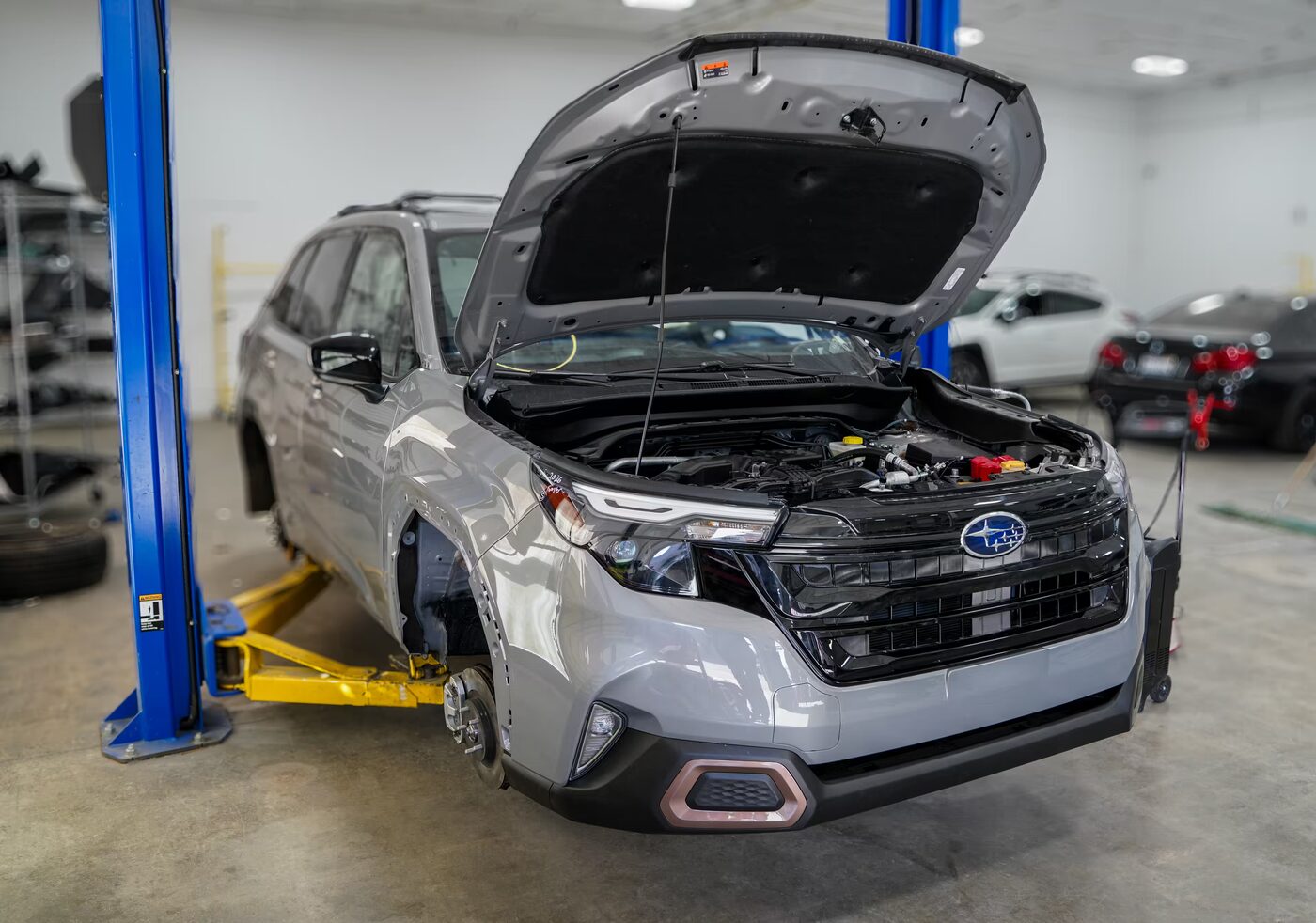
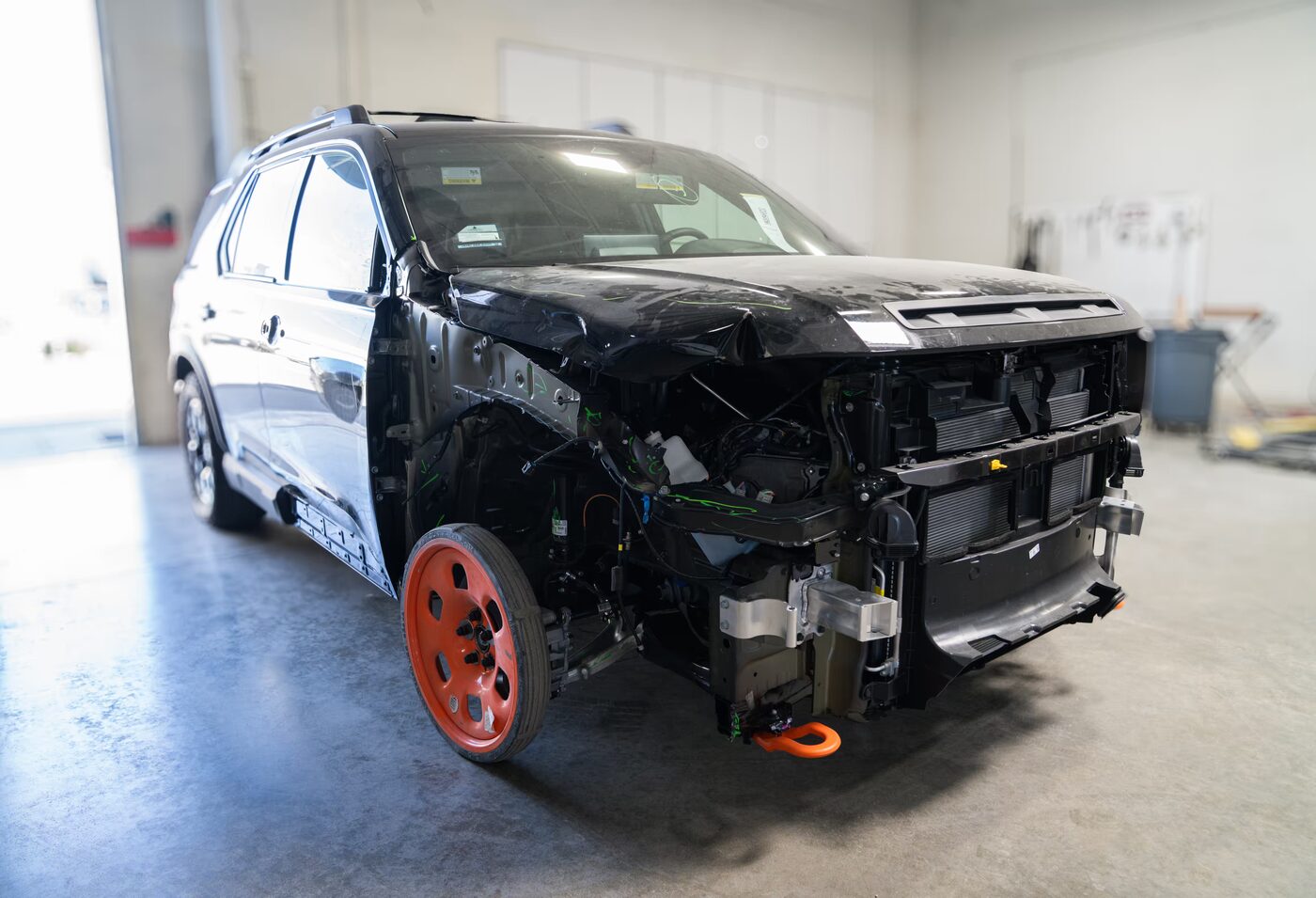
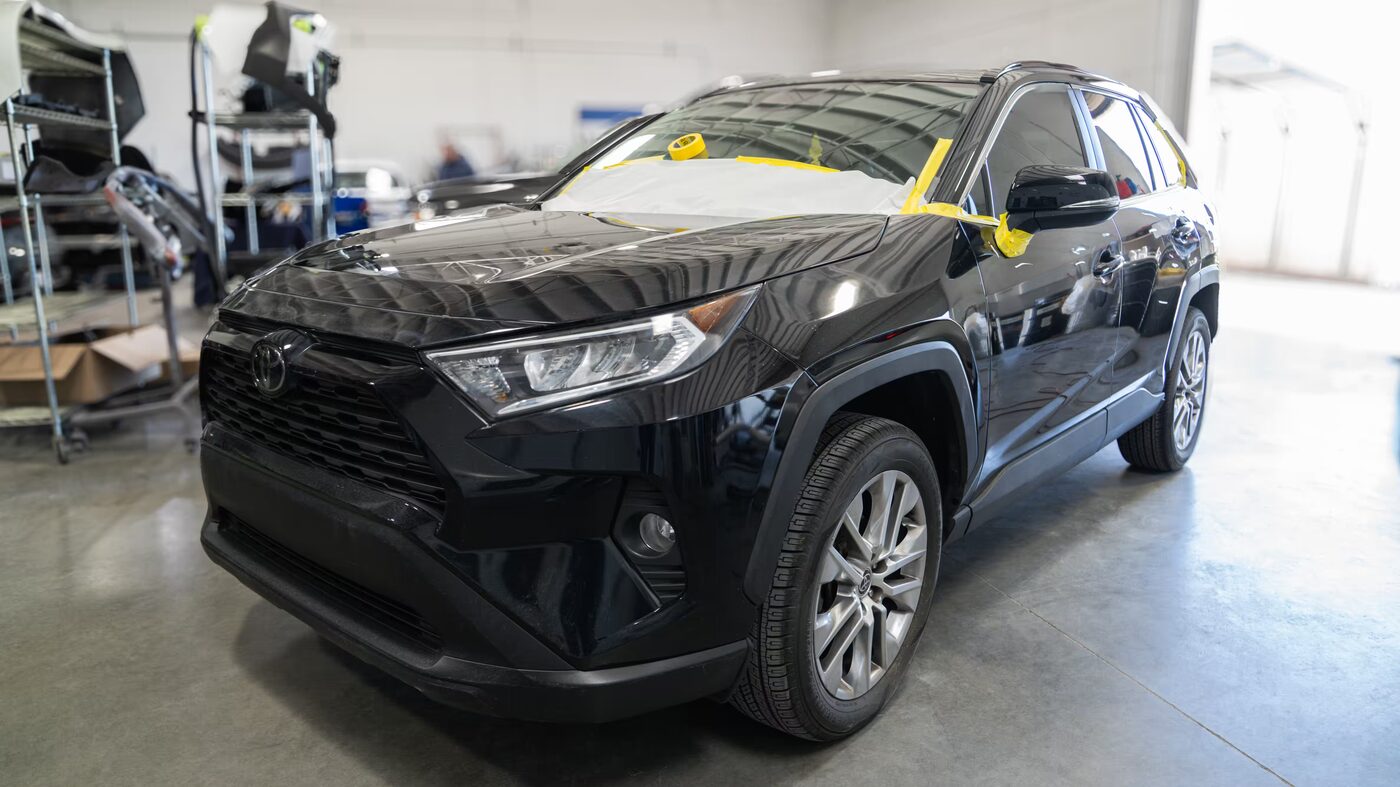
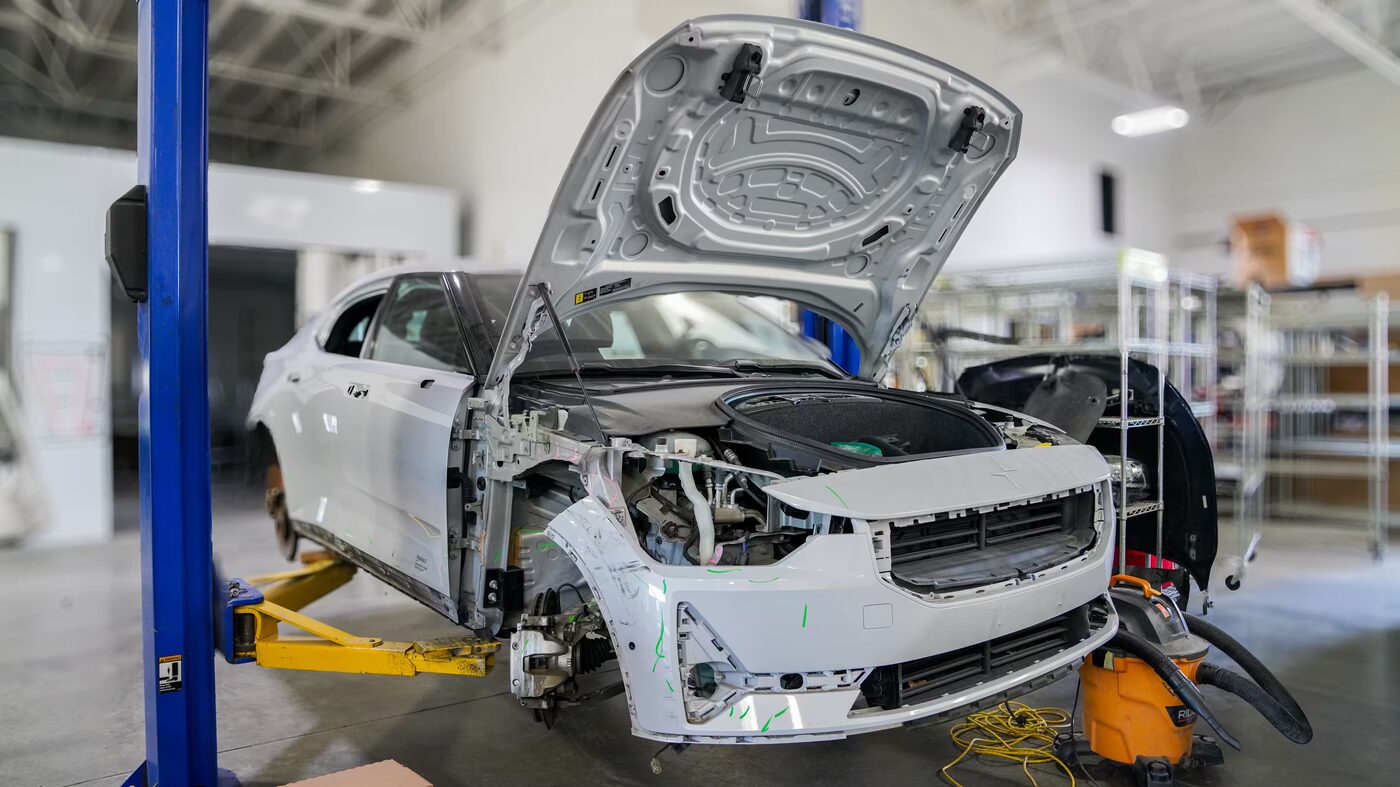
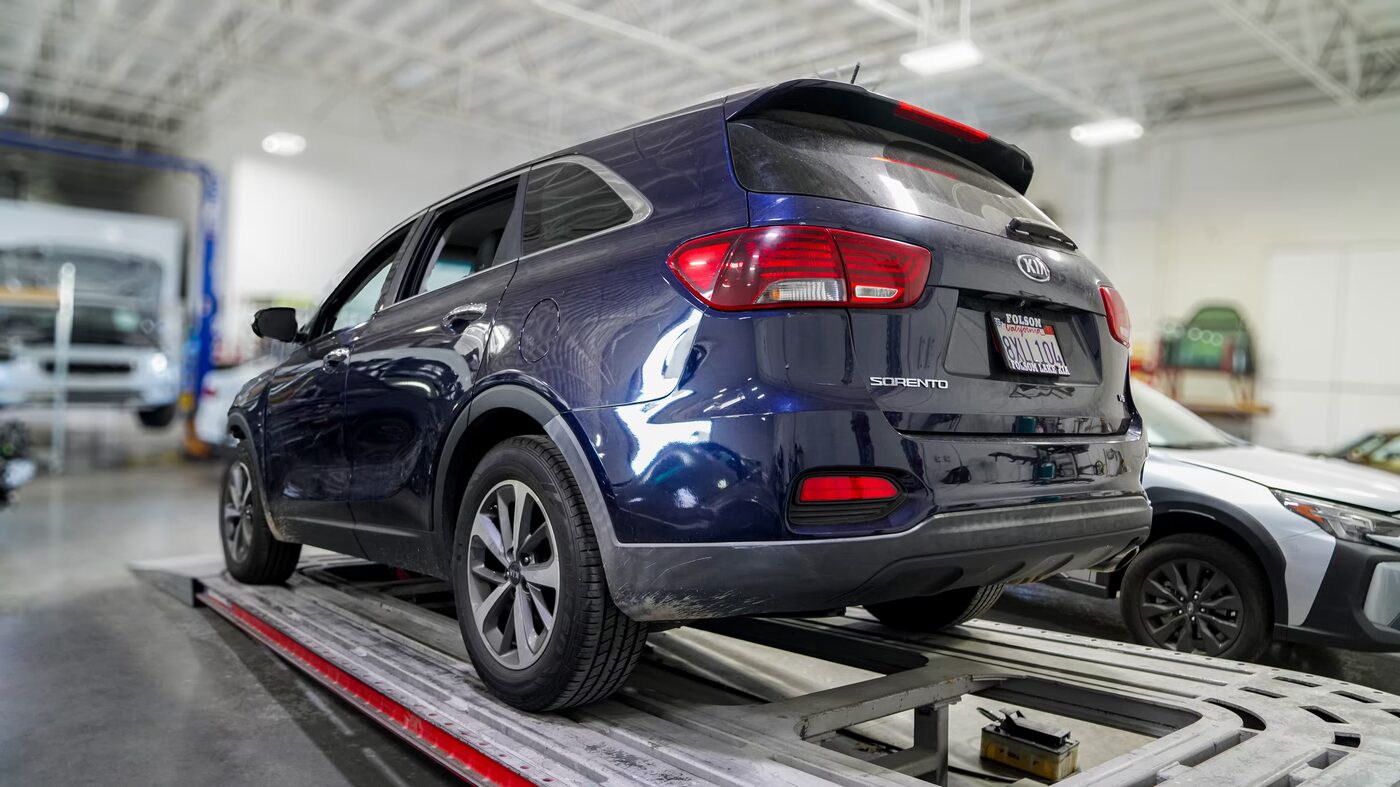

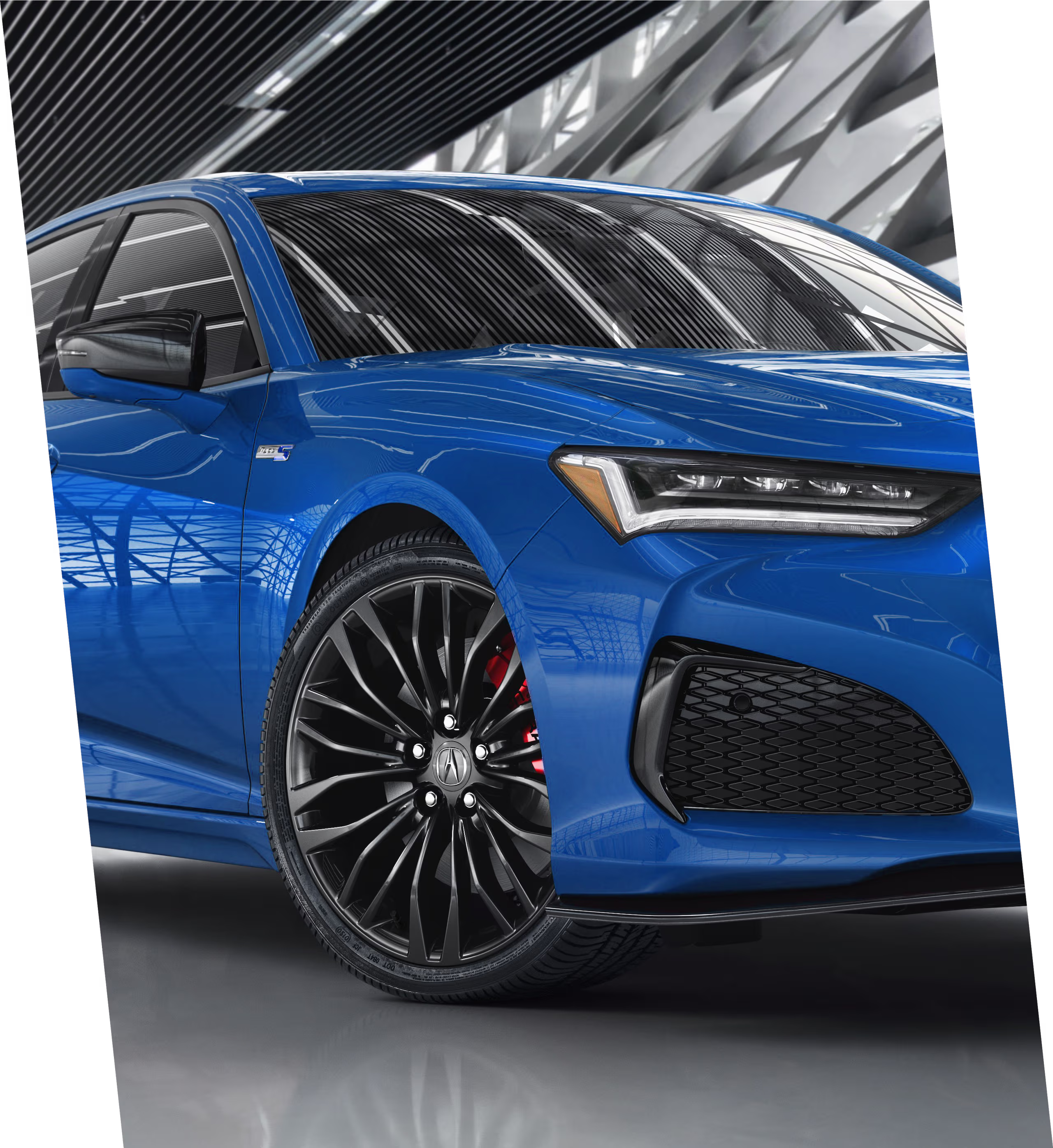
A repair isn't finished until your safety systems work as they should. We calibrate and test your sensors after every related repair, so you can rely on them again every time you drive.

With 10+ years of collision repair experience, we know how a bumper or windshield repair can throw off your car's safety sensors.

With 10+ years of collision repair experience, we know how a bumper or windshield repair can throw off your car's safety sensors.


At Pro Collision Center, we believe every vehicle deserves a second chance. Founded on integrity, craftsmanship, and care, we’ve built a reputation for delivering high-quality collision repairs and exceptional customer service — one car at a time.

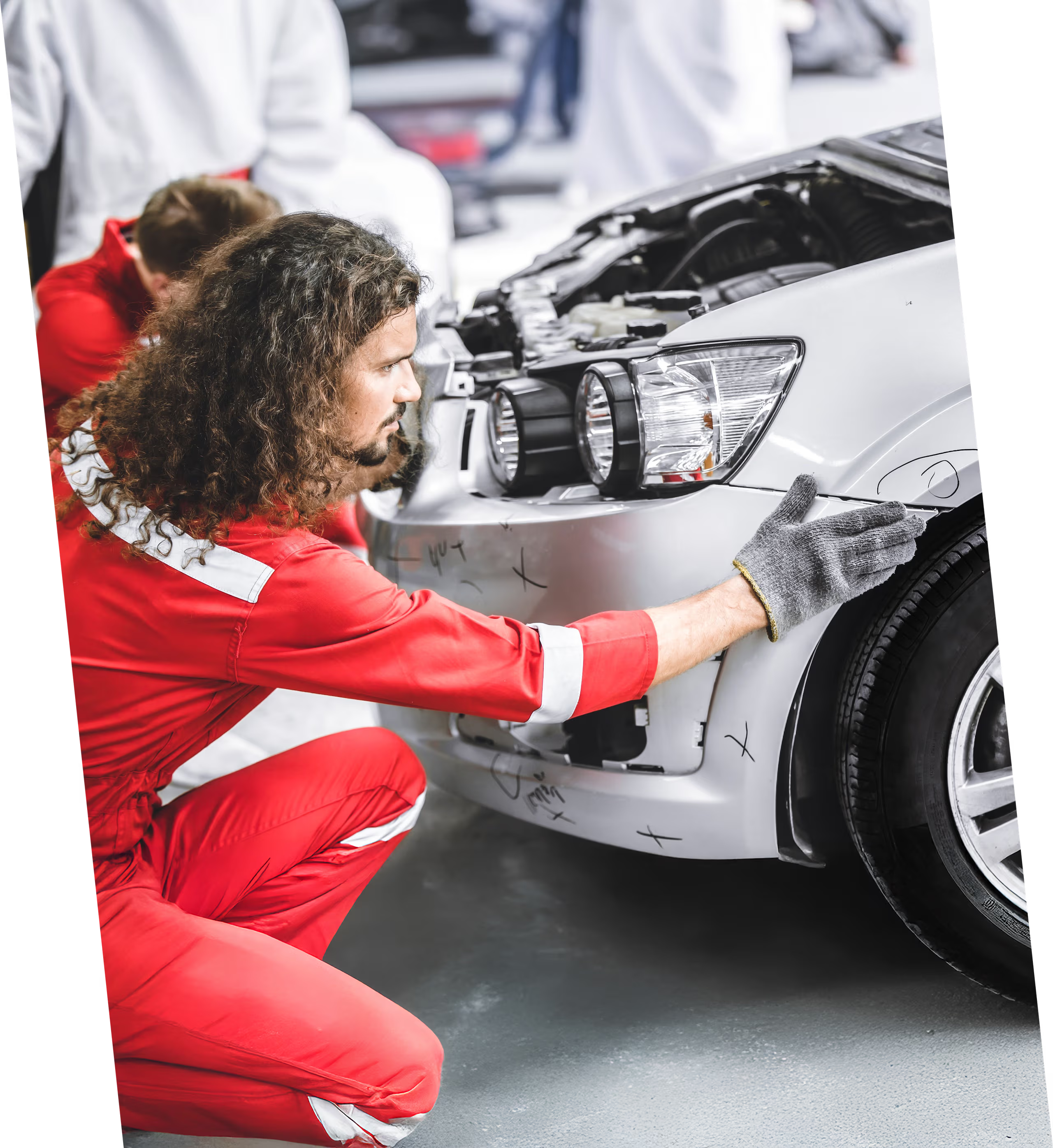
Pro Collision Center proudly serves Sacramento and the surrounding communities with expert collision repair and premium auto body services from our Sacramento North East shop.
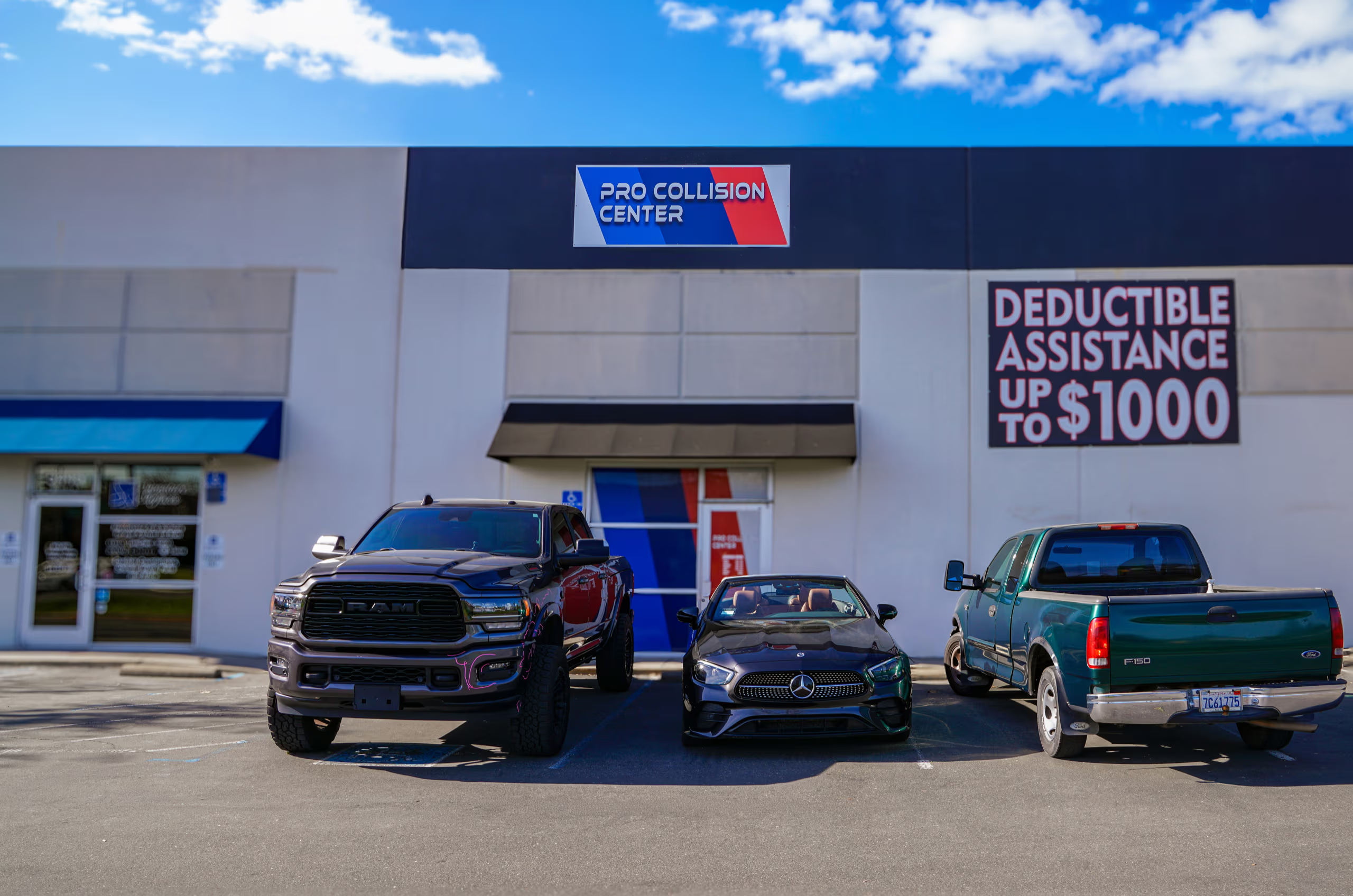
Expert collision repair in Sacramento North East specializing in insurance claims, structural repairs, and professional auto body restoration.



Reviews
Very detailed and professional

Great price, professional, and timely. Thanks guys.

The level of service and skill at Procolor is always exceptional as they go above and beyond to make sure your car gets fixed perfectly in a timely manner.

Quick friendly and knowledgeable

I Had The Best Experience Dealing With This Collision Repair Shop The Whole Team Hear Was Wonderful From The Front Desk She’s Very Professional And Courteous To The Estimate People All The Way Up To The Top Management. During This Stressful Time They Helped Made The Process Go Better. Thank You ProColor Collision North East!!! They Are Truly The Best!!!

Having been in an accident is never easy, but the staff and the excellent body work that Pro Color Collision completed on my car was exceptional. I have never had such a quick and easy process in getting my car repaired. Mimi and Nicole were awesome they made the experience even better. I would highly recommend Pro Color Collision for quality work and extremely friend and helpful staff.

The folks at ProColor were very helpful and friendly! Mimi and Nicole were very nice :)

I had such a great experience with ProColor Collision they make a great job with my car. And also the front desk girl and Claudia were so kind and friendly. Thank you so much!

Quick 🙌🏼🙌🏼 and Claudia is very nice.

Very good company and friendly employees. Quick real estimate and fast professional job done. Recommend to everyone who wants their car to look beautiful.

I have used ProColor Collision on several occasions. They have always been professional and helpful, keeping me up to date with how things are going.

Everyone was very pleasant and professional. I would definitely recommend ProColor Collision when in need of auto body repair. Wow‼️❤️👍

ProColor Collision did a great job on my car. The staff was professional, kept me informed, and completed the repairs on time. My car looks like new. Highly recommend for quality collision repair.

The team at this location is outstanding! They kept me informed and updated every step of the way, going above and beyond throughout the entire process. I’m beyond satisfied with their service and will definitely return for any future body work needs. I highly recommend them to anyone! They even took the extra step of washing and cleaning both the inside and outside of my car which was so nice of them! My car looked amazing after and like brand new again! Thank you guys so much!

Up Front And Detailed About Repairing Looks Over Project With Well Trained Eye What Got Me Was He Sent His Body Man Out To Look Over Project And Got His Opinion

Nice helpful stuff



What Is ADAS Calibration After Bumper Repair?
ADAS calibration after bumper repair establishes the required relationship between affected sensors and the vehicle. The work begins with diagnostics and inspection so damaged hardware or mounting problems are corrected before calibration is attempted. Depending on the system, the manufacturer may specify a static procedure, a controlled driving procedure or both. Fault review and recorded verification follow the required operations. A scan that clears codes is not equivalent to confirming correct sensor alignment.
Who Needs Post-Repair Sensor Calibration?
Calibration may be needed after bumper replacement, removal of relevant sensors or collision work affecting their mounting position. Alignment, windshield replacement and other operations can also trigger requirements for specific systems. Some drivers seek an assessment because warnings or inaccurate alerts appeared after a repair. Others have no warning at all, but the work performed still requires a manufacturer-specified calibration. The correct decision depends on the vehicle's equipment and repair history, not solely on the dashboard display.
What Driver-Assistance Problems Can Calibration Correct?
Calibration can resolve aiming or reference-setting problems when the sensor hardware and installation are otherwise correct. These may appear as inaccurate blind-spot alerts, parking-assistance errors or diagnostic codes associated with an incomplete calibration. However, damaged wiring, a distorted bracket or a failed sensor needs diagnosis and repair first. A system may also be affected by incorrect vehicle alignment or another unmet prerequisite. The technician establishes the cause instead of treating every warning as a calibration-only problem.
How Do Technicians Diagnose blind-spot and parking-sensor performance after bumper work?
Diagnosis begins by reviewing scan results and the work already performed around the bumper. Technicians inspect sensor seating, brackets and wiring, then verify prerequisites such as specified ride height, wheel alignment and target conditions. ASE Master Collision technician Scott Kaboos, an I-CAR technical specialist, emphasizes researching the exact vehicle's repair requirements. Physical defects are resolved before the calibration procedure proceeds. The final record should identify the system checked and the verification completed, rather than simply state that codes were erased.
How Do Manufacturer Targets, Scan Data, and Calibration Equipment Affect Repair Quality?
Targets and measuring equipment establish a controlled reference for the vehicle's sensors. Their type and placement, scan-tool functions and working environment must satisfy the procedure for the exact system. An uneven setup area, incorrect vehicle condition or unsuitable equipment can undermine the result. Unlike refinishing, the essential inputs here are accurate references, supported diagnostic software and correctly configured hardware. Post-procedure scan results and calibration records make the work traceable, while any required functional test provides additional verification.
What Should You Consider Before Choosing an ADAS Calibration Provider?
Ask whether the provider can support your exact year, model and installed driver-assistance systems. Discuss technician training, access to current OEM information and how alignment or other prerequisites will be handled. The estimate should identify the calibration and documentation expected, including any required road test. If the work is part of an insurance repair, its necessity should be documented for the claim rather than assumed to be included in a bumper price. Confirm who handles an unsuccessful procedure or a fault that requires further diagnosis, along with applicable warranty terms.
What Is Included in Post-Repair ADAS Calibration?
Post-repair ADAS work can include a diagnostic pre-scan, physical sensor inspection and checks of the required vehicle conditions. Static calibration adds the specified target setup, while dynamic calibration follows the manufacturer's defined operating conditions. After the required procedure, the technician reviews faults and documents the outcome. Related repairs discovered during diagnosis are explained as additional work. Not every parking sensor uses the same calibration process, so the package must reflect the equipment actually fitted.
How Can You Schedule ADAS Sensor Calibration in Sacramento?
Provide the vehicle year, model and identification details when contacting Pro Collision Center about calibration in Sacramento. Tell us what was repaired or replaced and send any scan report or warning-message details you already have. Our team can discuss an inspection and confirm the applicable procedure for the vehicle's systems. The published ADAS service includes sensor diagnostics and post-calibration verification. Review the proposed scope, prerequisites and authorization before the vehicle is scheduled for the work.
How Does the ADAS Calibration Process Work from Inspection to Final Quality Control?
The calibration sequence starts by establishing that the vehicle is ready for the procedure.
Review the repair history, equipment specification and diagnostic findings.
Inspect sensor hardware and correct identified installation problems.
Verify alignment, vehicle condition and the OEM's other prerequisites.
Set up the required equipment and complete static or dynamic calibration as specified.
Review the resulting data, scan for relevant faults and investigate unresolved issues.
Perform any required functional or road test and retain the calibration report.
The outcome must be evaluated against the procedure's requirements. An incomplete or failed result calls for further investigation before the system is represented as verified.
Why Choose Pro Collision Center for ADAS Calibration in Sacramento?
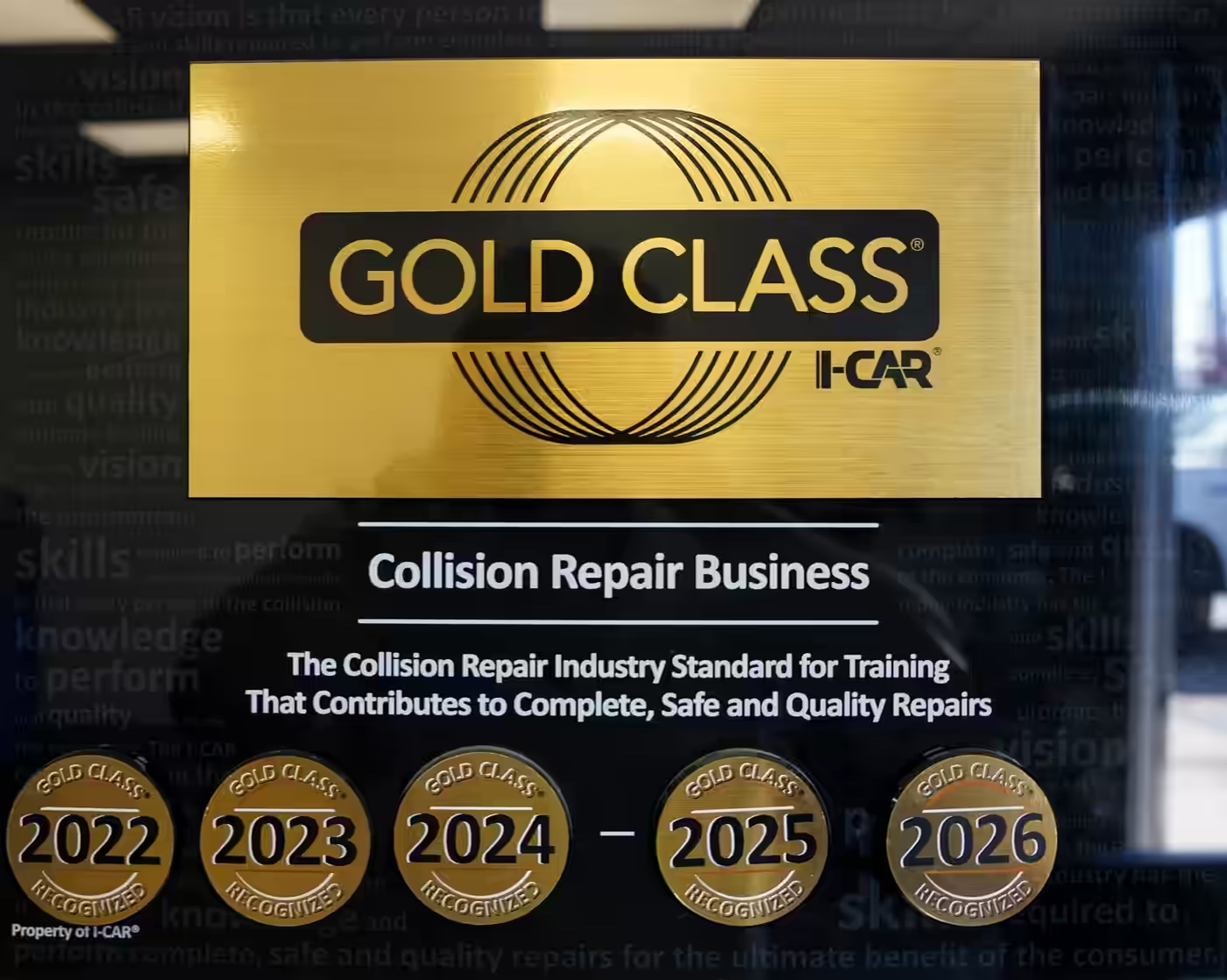
Our ADAS service is part of a collision repair offering that also includes body, structural and refinishing work. This allows the repair discussion to account for sensor mounts, surrounding panels and calibration requirements together. Pro Collision Center combines certified technicians and advanced equipment with 10+ years of service, 50K+ clients, premium repair materials and CSN membership. We assist with insurer coordination where required calibration belongs in the claim scope. Confirm support for your vehicle's system and review the written workmanship warranty and calibration documentation for the accepted work.