

Aluminum Body Repair: Why Teslas, EVs and Modern Trucks Need a Specialist
Aluminum body repair takes different tools, methods and a separate work area. See why Teslas, EVs and F-150s need a specialist and how to check a shop.
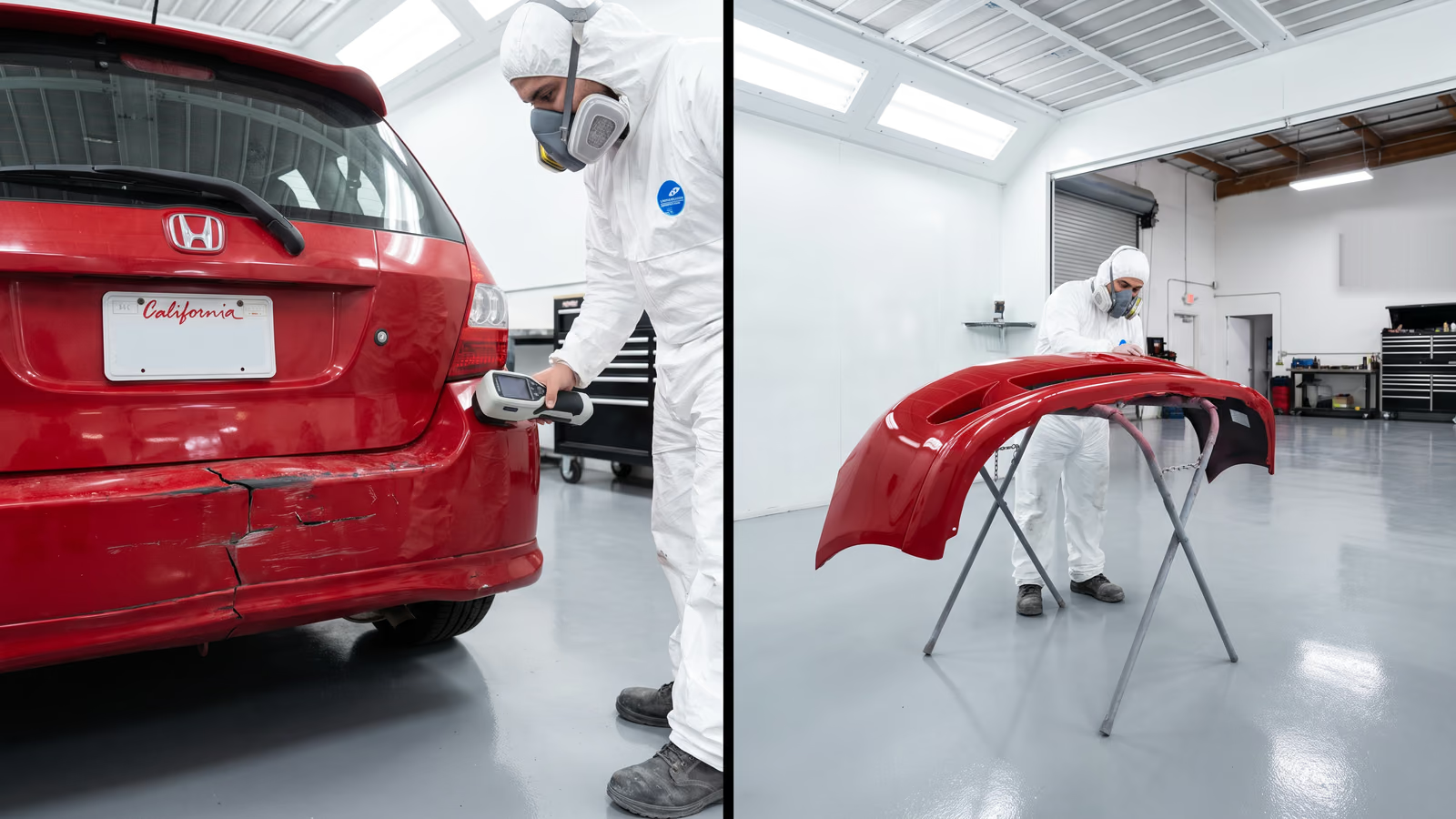
A lot of the cars and trucks on Sacramento roads today aren't built from steel alone. Teslas, many other EVs, luxury cars and the Ford F-150 use large amounts of aluminum in their bodies. Aluminum body repair takes different tools, different methods and a different setup than steel, and a shop that treats the two the same can leave you with a repair that looks fine and fails later.
This article explains what changes when the metal is aluminum, which vehicles use the most of it, what electric vehicles add to the job, and how to tell whether a shop is truly equipped. If you drive a Tesla, our Tesla body shop and collision repair guide walks through the full repair process from towing to calibration.
Key takeaways
- Aluminum reacts to heat, stress and contact with steel differently, so it needs its own repair methods.
- Shops need a separate aluminum work area and dedicated tools to avoid corrosion from steel contamination.
- Many aluminum joints are riveted and bonded with structural adhesive instead of welded.
- EV collision repair adds high-voltage safety steps and battery inspection per the manufacturer's procedures.
- Ask to see the aluminum area and equipment before you choose a shop.
How aluminum body repair differs from steel
Aluminum body repair differs from steel repair in four main ways. Aluminum can't be heated and reshaped the same way, it must be kept away from steel tools and dust to prevent corrosion, it's often joined with rivets and adhesive instead of welds, and it needs dedicated equipment in a separate work area.
Here's what each of those means in the shop.
Heat works differently
On steel, technicians can use controlled heat to help shrink stretched metal and work out damage. Aluminum doesn't behave that way. It melts at a much lower temperature than steel, it doesn't change color as it gets hot, and it spreads heat quickly through the panel.
Technicians can still use heat on aluminum in limited ways, but only with careful temperature monitoring and within the manufacturer's limits. Too much heat can weaken the metal without any visible sign. Aluminum also tends to harden and crack when it's bent back and forth, so there's less room for trial and error than with steel.
Galvanic corrosion and cross-contamination
When aluminum and steel touch in the presence of moisture, the aluminum can corrode. That's called galvanic corrosion. In a body shop, the risk comes from tiny steel particles: grinding dust in the air, steel filings on a sanding disc, or a hammer that was just used on a steel panel.
If steel particles get pressed into an aluminum panel, corrosion can start under the new paint and show up months later as bubbling. That's why aluminum work should happen in a separated area, often closed off with curtains, using tools that never touch steel. Aluminum dust also needs proper extraction equipment, since fine aluminum dust is a fire hazard.
Rivet-bonding instead of welding
Many aluminum vehicles are held together with self-piercing rivets, blind rivets and structural adhesive instead of spot welds. Repairs usually follow the same approach. Replacement panels and sections are riveted and bonded where the manufacturer's procedures say to, using the specified rivets and adhesive.
Where welding is allowed on aluminum, it takes a welder built for aluminum and a technician trained to use it. Using the wrong joining method in the wrong place can weaken the structure.
Dedicated tools and equipment
A shop set up for aluminum car repair typically has:
- Aluminum-only hand tools, sanders and dent pulling equipment
- Rivet guns and the rivet types the manufacturers specify
- A welder suited to aluminum, where welding is allowed
- Dust extraction designed for aluminum
- A computerized measuring system to check the structure against factory dimensions
| Steel repair | Aluminum repair | |
|---|---|---|
| Use of heat | Controlled heat often used to shrink and reshape | Limited, with temperature monitoring |
| Typical joining | Spot welds and MIG welds | Rivets and structural adhesive, welding only where allowed |
| Tools | General shop tools | Dedicated aluminum-only tools |
| Work area | Main shop floor | Separated area to prevent contamination |
| Dust handling | Standard extraction | Extraction suited to aluminum dust |
| Main risk if done wrong | Weak welds, rust | Hidden weakening, galvanic corrosion |
Which vehicles use the most aluminum
You might be driving more aluminum than you think. Some well-known examples:
- Tesla. The Model S and Model X bodies are mostly aluminum. The Model 3 and Model Y mix aluminum and steel, and newer Model Y builds use large aluminum castings in the underbody. The Cybertruck is different again, with stainless steel body panels.
- Ford F-150. Starting with the 2015 model year, the F-150 switched to an aluminum-alloy body and bed on a steel frame. Ford later did the same with the Super Duty trucks.
- Luxury vehicles. The Audi A8, Range Rover and several Jaguar models are well-known for heavy use of aluminum in their bodies.
- Other EVs. Many electric vehicles use aluminum to offset the weight of their batteries.
Plenty of other cars use aluminum for hoods, doors, fenders or bumper reinforcements while the rest of the body is steel. Your repair estimate or the shop can tell you which parts on your car are aluminum.
EV collision repair: what changes
Electric vehicles add a layer of safety and inspection work on top of the metal repair. EV collision repair generally involves three extra concerns.
High-voltage safety
EVs carry a high-voltage battery and orange high-voltage cables. Before certain repairs, technicians follow the manufacturer's steps to disable the high-voltage system and confirm it's safe to work on. They use insulated tools and protective gear around high-voltage parts. This isn't optional, and it isn't something to improvise from a video.
Battery inspection
A hit to the underside or the side of an EV can affect the battery pack, its housing or its mounting points. Battery inspection follows the manufacturer's procedures, and some battery work has to go through the manufacturer directly. On some newer EVs, the battery pack is also part of the car's structure, which makes careful inspection even more important.
Weight, structure and sensors
EVs are heavy, and that weight changes how crash energy moves through the structure. Hidden damage to rails, mounts and suspension points is common after what looks like a moderate hit. Our guide to frame damage signs, repair costs and total loss explains how structural damage is found and measured.
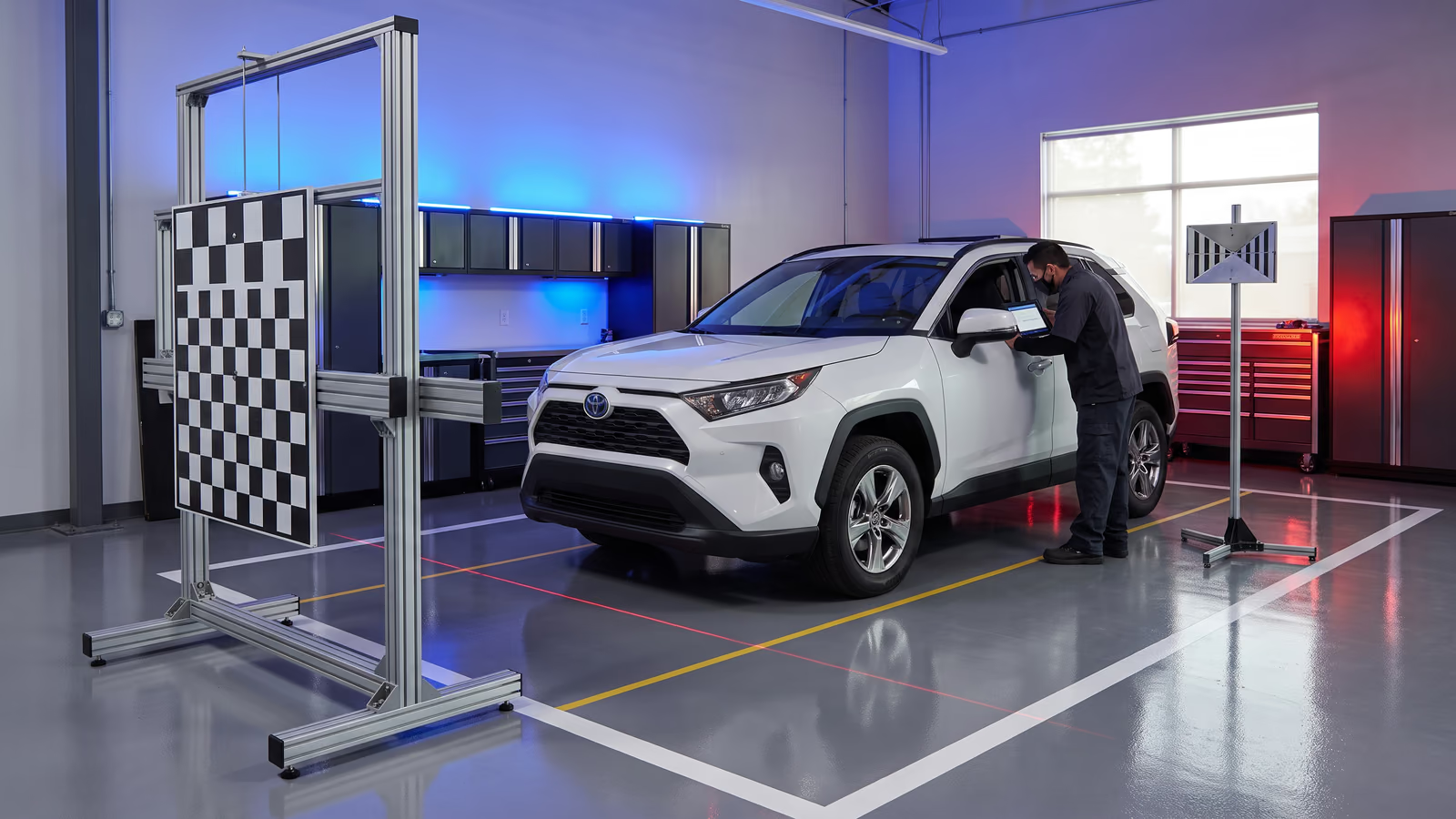
Most EVs also carry cameras, radar and other sensors that may need calibration after body work. That's one more reason to choose a shop that handles the full job.
Repair or replace aluminum panels
Aluminum can often be repaired, but the limits are tighter than with steel. Small dents on an aluminum hood or door may be repairable with aluminum-specific dent pulling tools. Sharp creases, stretched metal or damage to structural parts more often mean replacement.
The manufacturer's repair procedures decide many of these calls. They spell out which parts can be repaired, where sections can be cut and joined, and which parts must be replaced as a whole. For structural damage, measuring comes first. Our frame straightening and structural repair service uses computerized measuring to compare the body with factory dimensions before any straightening or sectioning begins.
How to tell if a shop is equipped for aluminum car repair
You can learn a lot from a short visit and a few direct questions:
- Ask to see the aluminum area. A properly set up shop will have a separated space, often with curtains, and won't mind showing you.
- Look at the tools. Aluminum tools should be kept apart from steel tools and are often color-coded or labeled.
- Ask about rivet-bonding. The shop should be able to explain which rivets and adhesives the manufacturer calls for on your vehicle.
- Ask about training. Look for I-CAR training in aluminum and structural repair. Our post on I-CAR certified technicians explains what that training covers.
- Check manufacturer approvals. For a Tesla, check the body shop locator on Tesla's website. We explain how in Tesla-approved vs. Tesla-certified body shops.
- Ask about EV safety. The shop should describe how it handles high-voltage systems and battery inspection without hesitating.
- Ask about measuring and calibration. Structural damage needs computerized measuring, and sensors often need calibration afterward.
A shop that gets vague on any of these may be fine for steel cars but isn't the right fit for an aluminum-bodied EV or truck.
Frequently Asked Questions
Can aluminum body panels be repaired?
Often, yes. Small dents and some damage can be repaired with aluminum-specific tools and methods. Sharp creases, stretched metal and damage to structural parts more often mean replacement, following the manufacturer's repair procedures.
Why does aluminum body repair cost more than steel?
Aluminum takes more labor, specialized equipment and a separate work area. Repairs often use rivets and structural adhesive instead of welds, and technicians need specific training. A written estimate is the only way to know the cost for your vehicle.
Is the Ford F-150 made of aluminum?
Starting with the 2015 model year, the F-150 has an aluminum-alloy body and bed mounted on a steel frame. Body repairs on these trucks call for aluminum tools and methods.
What is galvanic corrosion in auto body repair?
Galvanic corrosion happens when aluminum and steel touch in the presence of moisture, causing the aluminum to corrode. In a body shop, stray steel particles from tools or grinding dust can trigger it, which is why aluminum work needs a separate area and dedicated tools.
Is EV collision repair different from regular collision repair?
Yes. Along with the body repair, technicians follow the manufacturer's steps to safely disable the high-voltage system, inspect the battery pack and its mounting, and calibrate cameras and sensors. Many EVs also use aluminum, which adds its own requirements.
Pro Collision Center handles aluminum body repair and EV collision repair from our shop at 5445 Stationers Way in the North Highlands area of Sacramento. We're a Tesla-approved body shop with I-CAR certified technicians, and we offer free towing to our shop. For a free estimate, call (916) 885-1010, Monday through Friday from 7 am to 5 pm, or schedule a Tesla and EV collision repair estimate.
Whether you need collision repair, paint restoration, or just a quick quote — we’re here to help. Fill out the form and a team member will reach out promptly to confirm your appointment.